
Strategic Military Deployment in the Caribbean: An Overview
The recent military mobilization under the Trump administration marks a significant uptick in U.S. naval capabilities in the Caribbean region. This move aligns with ongoing geopolitical tensions, particularly the strained relations with Venezuela under President Nicolás Maduro.
Enhanced Naval Presence
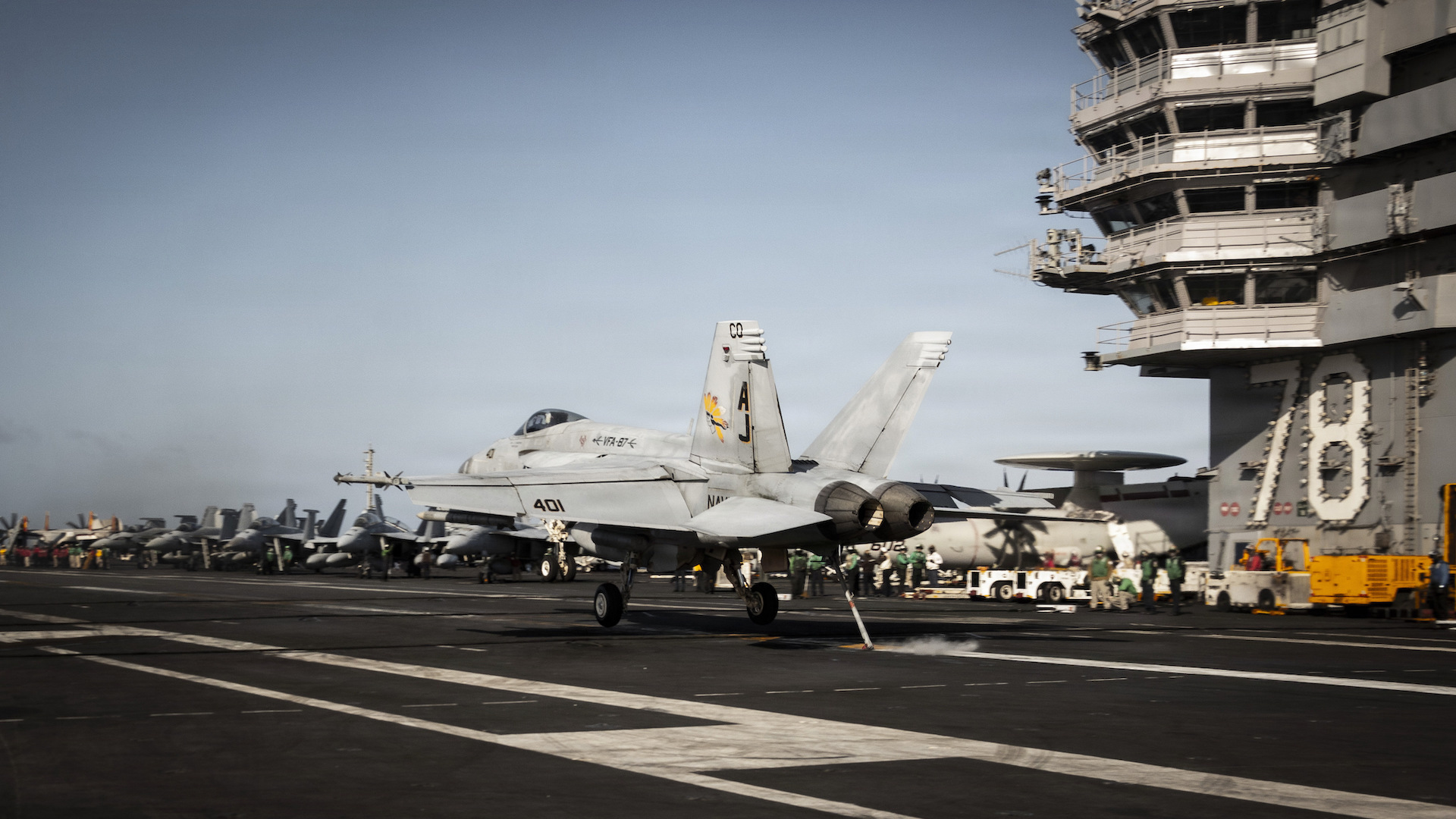
The United States has deployed an extensive array of naval assets, including supersonic fighter jets and cutting-edge aircraft designed for various operational needs such as electronic warfare, command and control, and logistics support. The centerpiece of this operation is the USS Gerald R. Ford (CVN 78), the Navy’s most advanced aircraft carrier, which entered the U.S. Southern Command area of operations this past Tuesday.
Key features of the USS Gerald R. Ford Carrier Strike Group include:
-
Aircraft Complement: Housing nine squadrons from Carrier Air Wing 8, the carrier is equipped with a robust assortment of tactical aircraft, including:
- F/A-18E/F Super Hornets
- E/A-18G Growlers for electronic warfare
- E-2D Advanced Hawkeyes for airborne command and control
- MH-60S and MH-60R helicopters for various maritime operations
-
Crew Capacity: More than 4,000 personnel are on board, emphasizing the carrier’s capability to conduct simultaneous launch and recovery operations.
-
Accompanying Destroyers: The strike group includes destroyers such as USS Bainbridge (DDG 96), USS Mahan (DDG 72), and USS Winston S. Churchill (DDG 81), all of which add multi-layered defense capabilities against aerial, submarine, and surface threats.
Context of Deployment
This military surge follows a series of contentious exchanges between the U.S. and Venezuela, particularly concerning allegations of drug trafficking originating from Venezuelan waters. Since early September, U.S. forces have executed multiple engagements targeting vessels believed to be engaged in narcotics smuggling, actions that the Venezuelan government has vehemently denied. Analysts have pointed out that the assertion of Venezuela as a primary source of U.S. illicit narcotics may be misleading, thereby raising questions about the underlying motivations for this enhanced deployment.
Secretary of War Pete Hegseth has specified that this carrier strike group aims to counter transnational criminal organizations and bolster national security in the Western Hemisphere. This aligns with an overall U.S. strategy that shifts focus toward combating perceived threats from narco-terrorism.
Legislative and International Implications
In a notable administrative change, President Trump has rebranded the Department of Defense as the Department of War through an executive order, underlining a shift in military ethos and operational directives. While such a nomenclature change lacks immediate legislative backing, it reflects a broader intention to grapple resolutely with global security challenges.
Concerns have emerged regarding the legality and justification of ongoing military strikes in the Caribbean. Lawmakers are voicing frustrations over the lack of transparency pertaining to operational objectives and impacts. Furthermore, reports indicate that the United Kingdom has suspended intelligence-sharing with the U.S. regarding operations in the region, reflecting potential diplomatic repercussions stemming from the current military strategy.
International Response
- Several nations in the region have disapproved of U.S. actions.
- In response to U.S. escalations, Venezuela has begun mobilizing its military forces for exercises, indicating a rising tension that could lead to further confrontations.
Conclusion: A Complex Landscape
The U.S. military’s presence in the Caribbean is reflective of a multipronged strategy that seeks to deter criminal syndicates and stabilize the region amidst increasing volatility. As military assets are assembled and operational directives take shape, the long-term implications for regional security and U.S. foreign policy remain to be fully realized. In this complex and evolving landscape, the balancing act between deterrence and diplomacy will demand continuous scrutiny from lawmakers, analysts, and allied nations alike.