
Enhancing Arctic Surveillance: The Denmark-Canada Defense Partnership
Strategic Cooperation through MQ-9B Integration
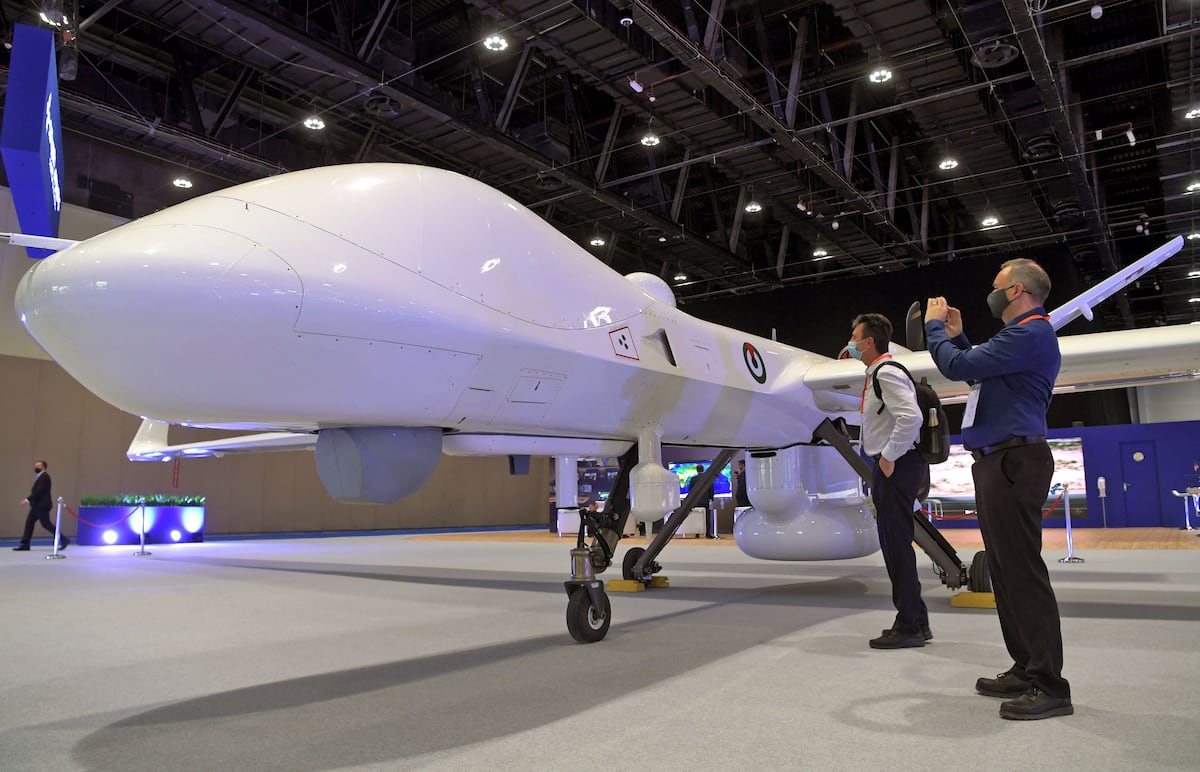
Denmark and Canada are poised to strengthen their defense collaboration following a recent agreement aimed at enhancing Arctic surveillance capabilities. This partnership will leverage their shared acquisition of MQ-9B drones, a sophisticated platform designed for long-range reconnaissance and intelligence gathering.
The Danish Air Force has commenced preparations for the operationalization of Squadron 729, which will be stationed at Aalborg Air Base starting in 2028. This unit will manage four MQ-9B drones, complementing Canada’s order of 11 units scheduled for delivery around the same timeframe.
The agreement was formalized during the Munich Security Conference in early October and signals a concerted effort between two key Arctic nations to bolster their situational awareness capabilities amidst evolving geopolitical dynamics.
Operational Implications and Geographic Considerations
This collaboration brings significant operational advantages but also necessitates careful planning to align the operational strategies of both nations. Experts assert that a cohesive maintenance and logistics framework would be invaluable.
- Cost Efficiency: Establishing a shared maintenance hub can substantially reduce operational costs.
- Integrated Operations: Enhanced logistics systems can improve efficiency across joint missions.
Jens Marquard Sørensen, a defense consultant, emphasizes the importance of geographical positioning for operational effectiveness. He highlights that while Aalborg Air Base benefits from maintenance expertise, its distance from strategic Arctic patrol zones, particularly Greenland, poses logistical challenges:
- Extended Flight Durations: The direct distance from Aalborg to Greenland is approximately 3,324 kilometers (2,065 miles), necessitating long flight times that could hinder rapid response capabilities.
- Increased Wear on Equipment: Long transit durations can elevate maintenance needs and operational costs.
Evaluating Alternative Operating Bases
If Denmark aims to maximize the effectiveness of its MQ-9B fleet, establishing forward operating positions in the Arctic presents a compelling solution.
Sørensen points out the potential benefits of reactivating the Keflavík Air Base in Iceland as a cooperative launch point for both nations. This base, although closed in 2006, is strategically located to facilitate patrols in the Arctic region, acting as a central hub due to its:
- Proximity to Key Locations: Keflavík offers convenient access to monitoring areas north, east, and south of Greenland.
- Logistical Advantage: Its southern location minimizes weather-related interruptions, enabling sustained operations.
Sensor Integration for Enhanced Intelligence
Another critical dimension of this partnership involves coordination on sensor technologies. Canada’s selection of the L3 Harris Wescam MX-20D sensors for its drones highlights the need for compatibility among allied forces.
- Harmonization of Technology: The effectiveness of these drones can be significantly enhanced if both nations adopt similar communication networks and sensor systems.
- Deterrent Effect: Utilizing compatible technology can substantially improve situational awareness in remote Arctic regions, allowing for better threat assessment.
Future Considerations and Challenges
To further capitalize on their UAV capabilities, both Denmark and Canada will need to address potential infrastructural constraints. Northern Canada, while geographically advantageous for Arctic engagement, presents challenges in terms of existing facilities. Defense analyst Hans Peter Michaelsen cautions that these limitations could hinder the establishment of drone maintenance bases year-round.
Significant investments in infrastructure and strategic planning will be necessary to support the operational readiness of the MQ-9B drones. As both countries adapt their military frameworks to address the Arctic’s unique demands, their partnership could yield a robust defense posture in this critical region, where the stakes continue to rise.
Conclusion
The Denmark-Canada defense agreement marks a pivotal step toward more substantial collaboration in Arctic security. By strategically aligning their drone capabilities and addressing operational challenges, both nations can enhance their effectiveness in a region increasingly viewed as vital for national and global security interests. The integration of technologies, joint operational frameworks, and forward deployment options will be essential to navigating the complexities of Arctic operations in the years to come.