
The Imperative of Integrating Coast Guard Capabilities in U.S. Maritime Strategy
Strategic Context
The National Commission on the Future of the Navy has posed a timely and critical inquiry as the United States grapples with the realities of maritime competition against peer adversaries like China. As articulated in a recent article in Breaking Defense, the dynamics of sea control and maritime order—pillars of American security and prosperity since World War II—are under increasing threat. The call for a comprehensive evaluation of fleet design, shipbuilding, and maritime strategy is not just essential but long overdue.
The Overlooked Element in Maritime Dominance
A fundamental aspect often neglected in discussions surrounding U.S. maritime superiority is the necessity to govern and protect maritime domains across all levels of competition. This includes everything from day-to-day law enforcement to high-stakes naval conflict. While the U.S. Navy plays a crucial role in these efforts, the U.S. Coast Guard is equally vital and cannot be excluded in the quest for maritime preeminence.
Lessons from Competitors
China has adeptly recognized the importance of coordinated maritime capabilities, constructing not only the world’s largest navy but also the most substantial coast guard. This dual force functions effectively to assert maritime claims and challenge foreign vessels, particularly in sensitive areas like the South China Sea. By employing its coast guard without escalating to military confrontations, China maintains a continuous competitive posture that shapes geopolitical conditions in its favor.
In contrast, the United States has yet to synthesize Coast Guard resources into its broader maritime strategy. Current dialogues primarily concentrate on naval combatants, often overlooking the Coast Guard’s integral role in effectively securing maritime interests.
The Strategic Gap
The capabilities of the Coast Guard extend beyond those of the Navy, particularly regarding law enforcement and maritime governance. Under Title 14 of the U.S. Code, the Coast Guard operates as both a military service and a federal law enforcement entity. This dual capacity grants Coast Guard personnel unique authorities to engage in operations that enforce U.S. sovereignty and counter illicit maritime activities without resorting to military escalation. Such missions are vital in a landscape where strategic competition rarely manifests in direct fleet engagements.
The Role of Persistent Presence
Effective maritime dominance hinges not only on combat capabilities but also on persistent presence and operational readiness. The Coast Guard carries out missions that reinforce U.S. governance over maritime domains and deter adversaries or illicit actors. By conducting global patrols, these vessels enhance maritime stability while reinforcing U.S. leadership—all without necessitating the involvement of naval combatants.
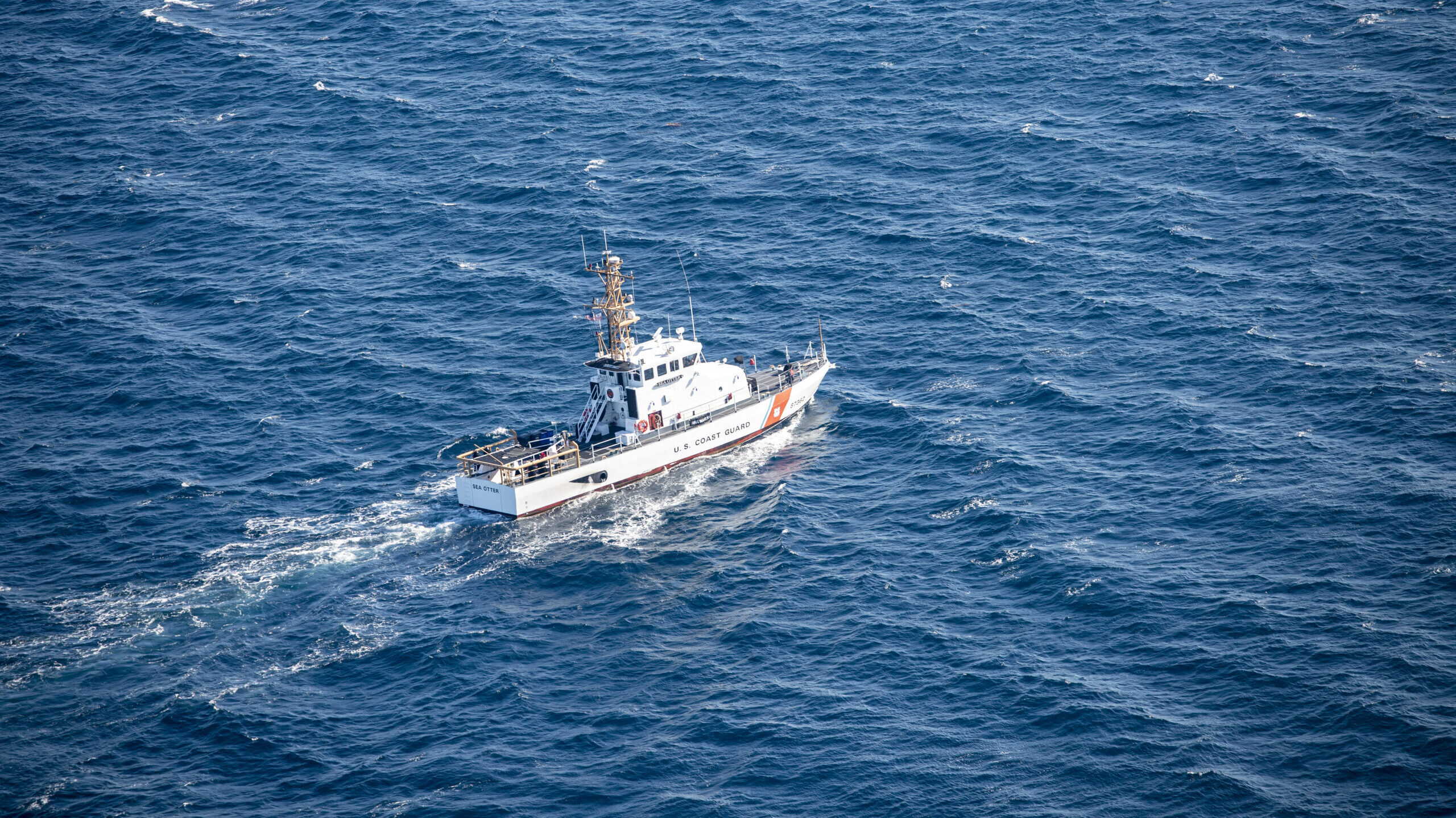
During my tenure commanding a Coast Guard cutter, I witnessed the tangible benefits of sustained maritime presence in advancing national interests. Operations undertaken by our team not only upheld U.S. sovereignty but also contributed to regional security through collaborative engagements with partner nations in the Caribbean and Central America. Such cooperative actions fostered stability and underscored U.S. commitment to working in concert with allied nations.
Engaging in High-Stakes Environments
Coast Guard involvement also extends into high-stakes competitive contexts against other major powers. Recently, the Coast Guard cutter Munro engaged in an operation involving the boarding of a Russian-flagged oil tanker in the North Atlantic. Supported by Department of Defense personnel, this deployment illustrated how the Coast Guard effectively marries military capability with law enforcement to navigate complex security scenarios. Such interventions assert international standards, showcase U.S. resolve, and uphold maritime order—essential components of a strong maritime strategy.
Challenges in Emerging Theaters
The Arctic presents another critical theater, as the melting ice reveals new shipping routes and resource access. Both Russia and China are rapidly expanding their influence in the polar regions. The Coast Guard operates the nation’s sole icebreakers, a necessity for maintaining presence and asserting sovereignty in this strategic area. Lacking these capabilities, U.S. competitiveness in the Arctic significantly diminishes.
Reinforcing Fleet Architecture
The National Commission’s emphasis on evaluating fleet architecture and shipbuilding should extend to incorporate a full spectrum of maritime missions vital for U.S. interests. Integrating Coast Guard assets—such as ocean-going cutters and icebreakers—into the nation’s maritime force is crucial for enhancing operational flexibility and ensuring comprehensive maritime governance.
By increasingly leaning on Coast Guard capacities for maritime security and partnership missions traditionally assigned to the Navy, we enable naval forces to concentrate their efforts on deterrence and warfare readiness. This integration aligns with the longstanding National Fleet concept, which recognizes that a unified Navy and Coast Guard force constitutes the backbone of the nation’s maritime capabilities.
A Holistic Approach to Maritime Dominance
Achieving maritime supremacy is not solely the province of naval warfare; it demands a cohesive strategy combining both Navy and Coast Guard resources. The presence of the Coast Guard is indispensable for ensuring continuous capability in law enforcement and non-combative competition.
The U.S. must fully embrace this integrated approach. If we are earnest in revitalizing our maritime dominance, we must fundamentally incorporate Coast Guard capabilities into maritime strategy, fleet architecture, and shipbuilding initiatives. This operational coherence will significantly enhance the United States’ ability to compete in the evolving landscape of global maritime affairs.
About the Author: Bruce Stubbs has served in various high-level capacities within the U.S. Navy and Coast Guard, including senior positions on the staffs of the Secretary of the Navy and Chief of Naval Operations. His extensive experience encompasses strategic concepts, direct operational commands, and educational roles at the Naval War College.