
Tensions Escalate: U.S. Air Strikes in Yemen’s Houthi Territory
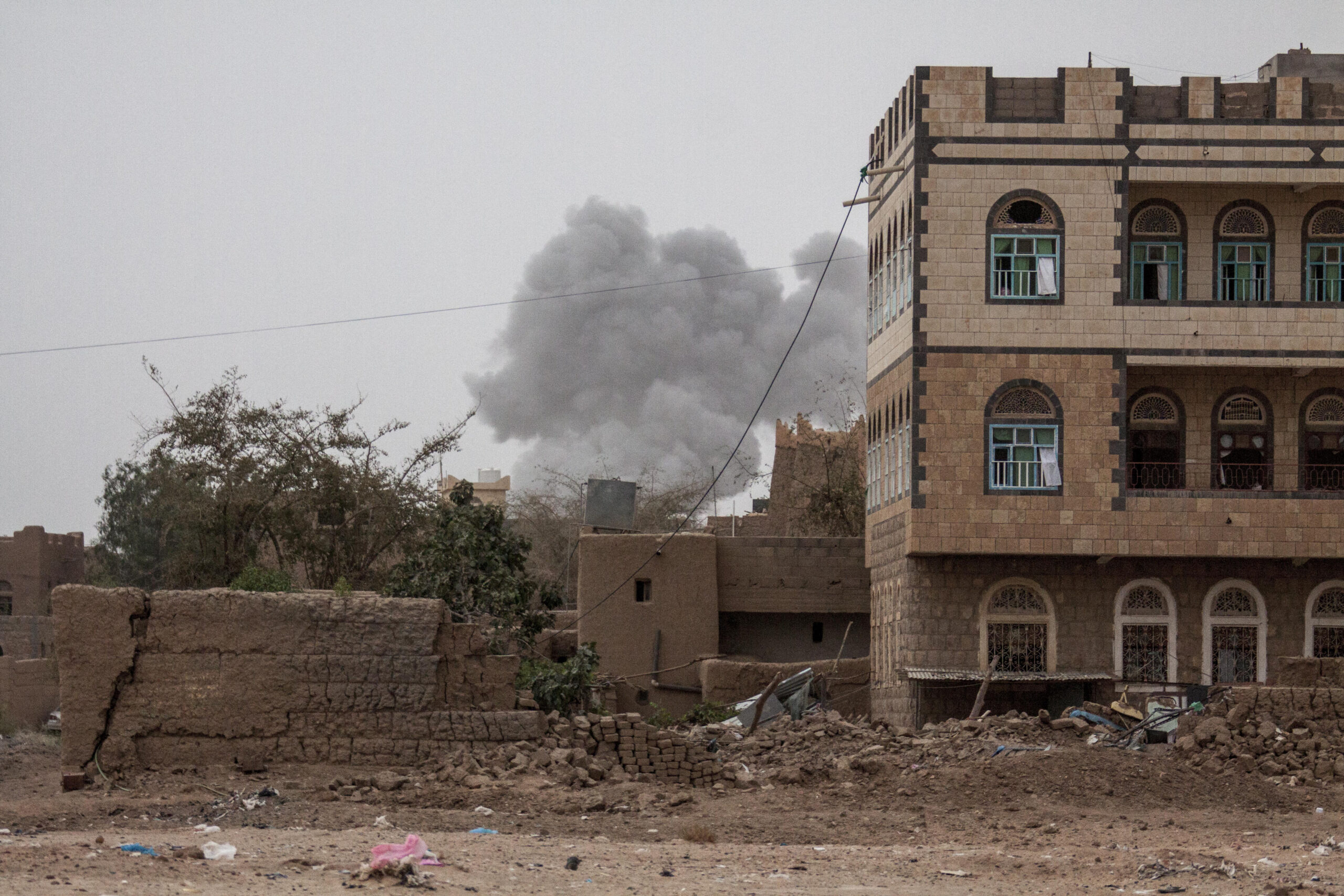
Recent events in Yemen have significantly heightened tensions in an already volatile region, drawing attention from international media and governments alike. Reports emerging from media outlets aligned with Yemen’s Houthi rebels on Saturday revealed that a U.S. airstrike allegedly resulted in the death of one individual and injuries to several others. This attack purportedly took place at a solar energy installation in the Hafsin neighborhood, located in the city of Saada, a known stronghold of the Houthi movement.
Reports of Civilian Casualties
According to the Houthi-affiliated news agency Saba and the television channel Al-Masirah, the airstrike, described as “American,” targeted a civilian site, leading to one confirmed fatality and injuring at least four others. Eyewitness accounts reported active efforts by local civil protection teams striving to extinguish the resulting fires and assist victims. These reports highlight the tragic human cost often associated with air campaigns, particularly in areas where military and civilian structures may not be clearly delineated.
Increasing Frequency of Air Strikes
Since the launch of a U.S. air campaign targeting Houthi positions on March 15, 2024, such strikes have reportedly become a near-daily occurrence in areas controlled by the rebels. The escalation of military engagements on all sides greatly enhances the difficulties faced by civilians in these regions, who are frequently caught in the crossfire of larger geopolitical conflicts. The U.S. intervention appears to be part of a broader strategy to combat the Houthi group’s activities in the region, particularly their threatened attacks on commercial shipping and military vessels.
The Context of the Conflict
The Houthis, supported by Iran, are a key player in what is referred to as the "Axis of Resistance," a coalition of various groups opposing U.S. and Israeli influence in the Middle East. Their recent actions against commercial and military shipping have been framed as retaliatory measures against what they view as aggression, notably citing the ongoing Israeli military operations in Gaza.
A Controversial Claim by President Trump
Adding fuel to the fire, former U.S. President Donald Trump made headlines by posting a video on the social media platform Truth Social, which he claimed showed the deaths of several dozen Houthi fighters in recent U.S. airstrikes. The footage showcased military drone imagery, depicting the chaos of an airstrike with vivid details such as flashes, smoke, and destruction. Trump’s post included dramatic assertions that the individuals captured in the video were preparing to launch attacks against U.S. interests, proclaiming that the Houthis would "never sink our ships again."
Contrasting Narratives
The Houthi response to Trump’s portrayal of the airstrike has been vehement. The Saba news agency issued a denial stating that the individuals gathered at the site targeted by the airstrike were not combatants but rather participants in an Eid celebration, marking the end of Ramadan. This stark contrast in narratives highlights the complexity of modern conflicts, where the factual accuracy of reports can be obscured by propaganda efforts from both sides.
The Humanitarian Impact
With the ongoing airstrikes and military actions, the humanitarian situation in Yemen remains dire. Many civilians are left vulnerable, caught up in a conflict that has often been described as one of the worst humanitarian crises in the world. As reports of civilian casualties increase, the international community is compelled to scrutinize the implications of these military actions and the broader effect they have on the lives of ordinary Yemeni citizens.
In summary, the situation in Yemen reflects the intricate web of geopolitical tensions and the high stakes involved. With numerous factions vying for power and foreign interests at play, the challenges for peace and stability in the region appear greater than ever.