The Downfall of Nicolás Maduro: Implications for Global Defense Policy
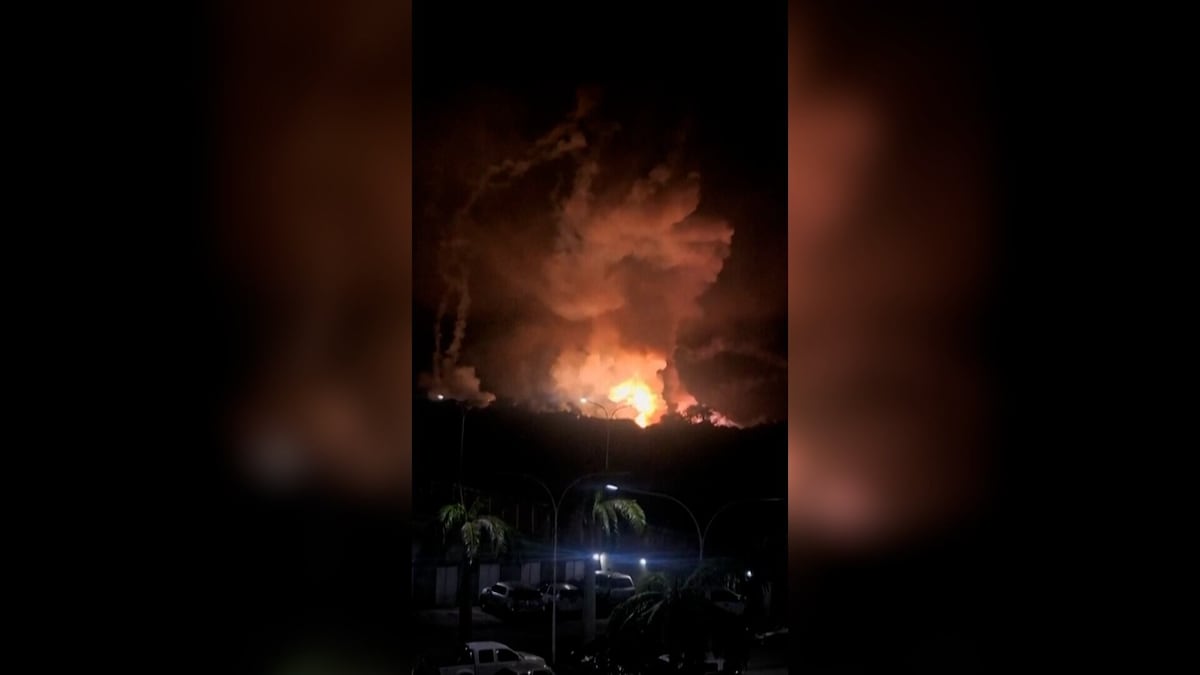
Nicolás Maduro, the controversial leader of Venezuela who transitioned from a unionized bus driver to presidency, witnessed his political downfall following a U.S. military operation in Caracas on Saturday. This event not only marks the end of his reign but also signifies a pivotal shift in U.S.-Venezuelan relations and broader implications for regional security dynamics.
Capture of Maduro: A Watershed Moment
U.S. President Donald Trump announced Maduro’s apprehension via social media, while Venezuela’s Vice President Delcy Rodríguez acknowledged that the fate of Maduro and his spouse, Cilia Flores, remained uncertain. Meanwhile, Trump’s Attorney General, Pam Bondi, indicated that both Maduro and Flores would face criminal charges subsequent to an indictment issued in New York.
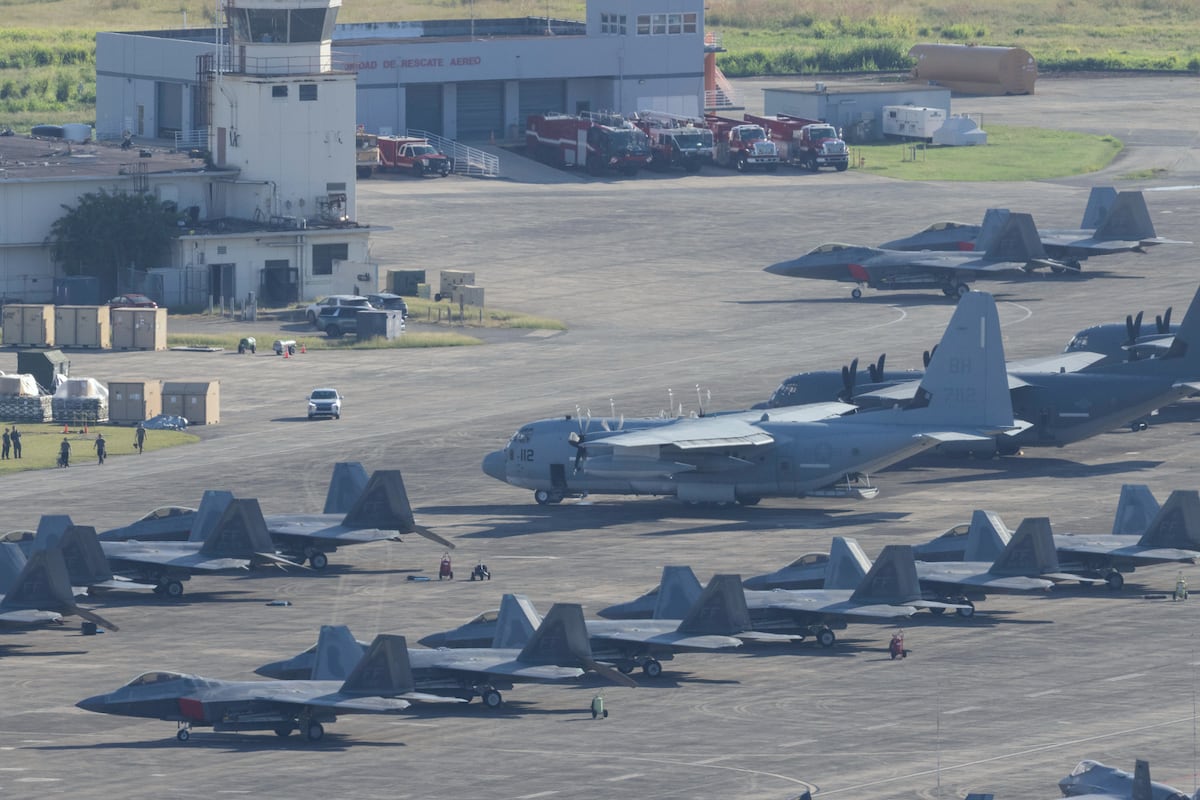
- Accelerated U.S. Pressure: This development culminated months of intensified U.S. diplomatic and military pressure against Maduro’s regime, ahead of the attack that led to his capture.
Background: Maduro’s Rise and Ideological Stance
Maduro’s political journey began four decades ago, characterized by a radical shift towards socialist governance initiated by his predecessor, Hugo Chávez. Trained ideologically in Cuba, Maduro became an influential figure within the Venezuelan political landscape:
- Political Ascendancy: Following Chávez’s electoral endorsement, Maduro ascended to various high-ranking positions, including his tenure as foreign minister and eventually president.
- Anti-U.S. Sentiment: Throughout his administration, both he and Chávez depicted the United States as a primary adversary, antagonizing both Democratic and Republican administrations while resisting any attempts to restore democratic norms in Venezuela.
Crisis Management: Economic Decline and Humanitarian Challenges
Maduro’s presidency has been synonymous with a protracted socio-economic crisis, marked by rampant inflation, food shortages, and mass emigration. The humanitarian impacts have been staggering:
- Displacement: Over 7.7 million Venezuelans have sought refuge abroad as economic conditions deteriorated.
- Suppression of Dissent: Maduro’s regime resorted to a violent crackdown on opposition, imprisoning thousands, many of whom suffered severe mistreatment.
In 2018, Maduro faced an assassination attempt during a public address but managed to cling to power amid escalating unrest and international condemnation.
Economic Free Fall: Sanctions and Resilience
The economic trajectory under Maduro was dire:
- Severe Economic Contraction: From 2012 to 2020, Venezuela’s economy contracted by 71%, with inflation rates skyrocketing to over 130,000%.
- Declining Oil Production: Once a leading oil exporter, Venezuela’s output plummeted to under 400,000 barrels per day, significantly crippling its financial viability.
In response to crippling sanctions imposed by the Trump administration, Maduro was compelled to introduce economic reforms in 2021, leading to a temporary stabilization and the re-engagement of negotiations with U.S.-backed opposition entities.
The Aftermath of Maduro’s Regime
Following Maduro’s apprehension, a new phase in Venezuelan politics is expected. The government’s maneuvering—marked by the suppression of dissent and refusal to acknowledge electoral losses—will likely face increased scrutiny from both domestic and international stakeholders:
- Renewed International Focus: The U.S. and allies may adopt a more coordinated strategy regarding democratic restoration and humanitarian aid.
- Potential for Instability: The power vacuum following Maduro’s capture raises questions about the future governance of Venezuela and the potential resurgence of civil unrest.
Conclusion: Strategic Considerations for Global Defense Policy
Maduro’s capture not only indicates a significant blow to authoritarian governance in Latin America but also poses strategic questions for U.S. defense policy. The implications of transnational organized crime, particularly in relation to narcotics and emerging threats like terrorism, necessitate a reevaluation of U.S. military presence and engagement strategy in the Caribbean and beyond.
As Maduro’s chapter concludes, the ripple effects across geopolitical landscapes demand cautious analysis and proactive policy frameworks to ensure stability and support for democratic reforms in Venezuela and its surrounding regions.