
Recent Developments in U.S.-Iran Relations: Implications for Military Strategy
Negotiation Landscape and Developments
Following the inconclusive conclusion of the latest round of negotiations between the U.S. and Iran, both parties have demonstrated a degree of cautious optimism regarding the potential for future agreements. The talks, mediated by Omani Foreign Minister Badr Albusaidi, emphasized progress despite underlying tensions. In contrast, U.S. military deployments toward the Middle East have intensified, signaling a strategic posture amid these diplomatic efforts.
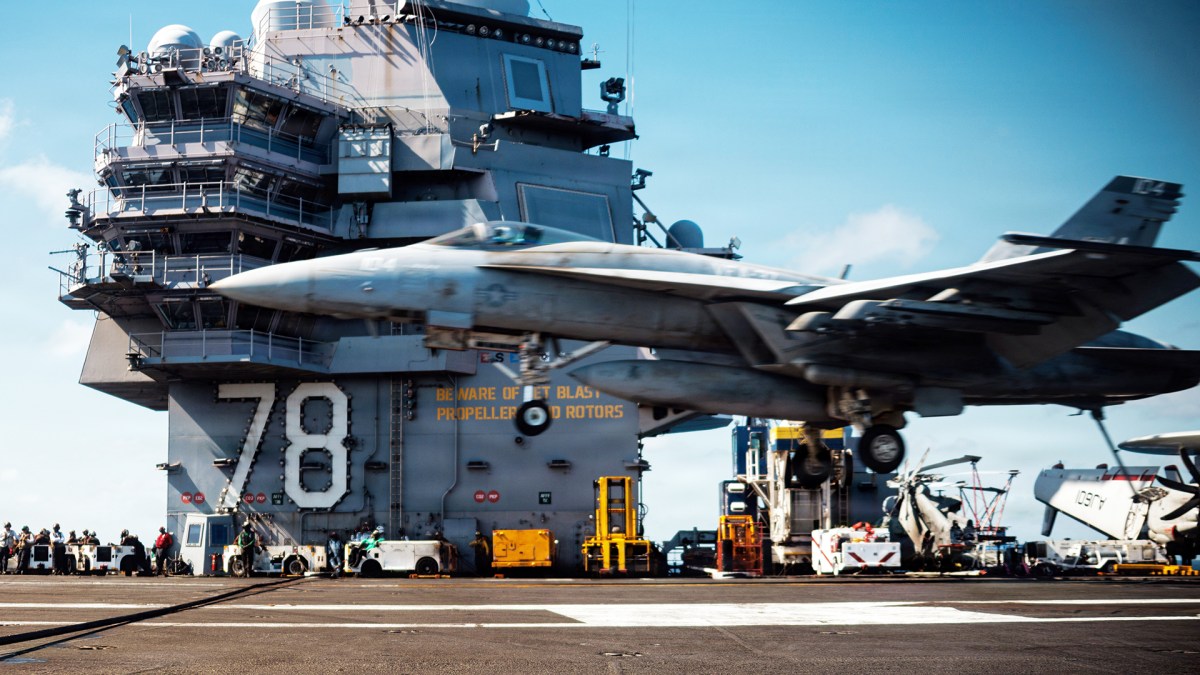
- Military Asset Movement: The aircraft carrier USS Gerald R. Ford has departed from Souda Bay, Crete, headed for the eastern Mediterranean, with expectations of arriving off the Israeli coast shortly. Additional deployments include an array of fighter aircraft, such as F-35A Lightning II and F-15E Strike Eagle jets, indicating a significant military buildup in the region.
Strategic Military Posture
The ongoing military preparations underscore the U.S. commitment to counter any escalating threats from Iran, particularly concerning its nuclear capabilities and missile development programs. The current U.S. demands for the negotiations include:
- Destruction of key nuclear facilities at Fordow, Natanz, and Isfahan
- Delivery of all enriched uranium to U.S. custody
- A prohibition on uranium enrichment, while allowing the retention of the Tehran reactor
- Permanent constraints on Iran’s nuclear program with a minimal upfront sanctions relief, contingent upon compliance
Conversely, Iranian officials reject the prospect of transferring enriched uranium overseas, asserting their right to safeguard their nuclear material within national borders. This fundamental divergence reflects the complexities of a lasting agreement.
Regional Security Dynamics
The heightened military presence in the region comes during a crucial phase in U.S.-Iranian relations. The Trump administration has publicly stated its intent not just to neutralize Iran’s nuclear ambitions but also to curtail its ability to launch missile attacks. Recent warnings emphasize that Iran is developing capabilities that could pose direct threats to U.S. interests and allies in the Middle East.
- Political Calculus: Analysts within the defense community speculate that an Israeli preemptive strike on Iranian installations could provide political cover for U.S. military action. This perspective raises concerns about regional fallout and the potential for a robust Iranian retaliatory response.
Legislative Landscape and Internal Politics
Internally, the U.S. political environment is primed for conflict with upcoming votes that could restrict presidential military action against Iran. House Democrats are preparing to challenge the administration’s approach with legislative measures aimed at requiring congressional approval for any military strikes. This dynamic adds another layer of complexity to the ongoing negotiations.
Integrated Defense Strategy
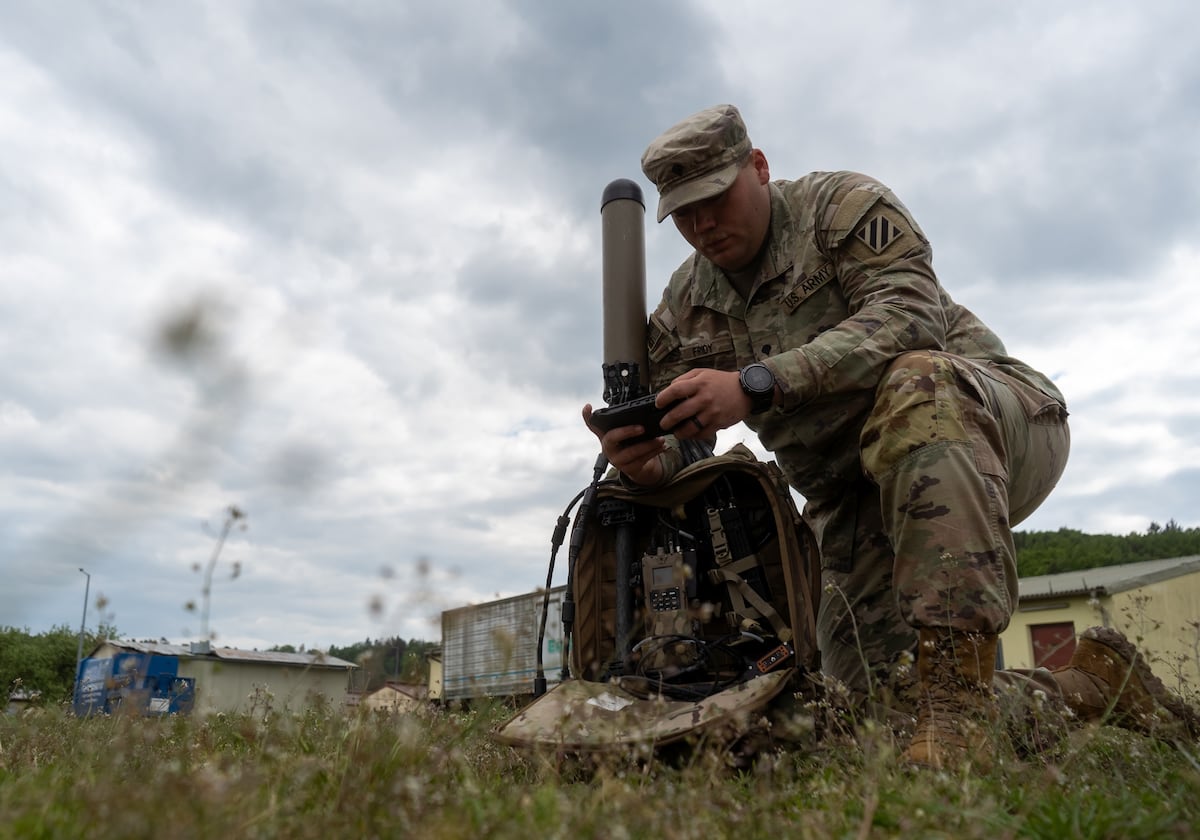
The Pentagon’s ongoing military buildup signifies a proactive defense policy, with assets mobilizing to ensure robust readiness against potential Iranian threats. The establishment of Task Force Scorpion, equipped with kamikaze drones, enhances the U.S. military’s operational capabilities in the Middle East. These systems, designed to be cost-effective and adaptable, align with wider strategies aimed at countering Iranian influence.
- Operational Readiness: Key deployments include:
- Two carrier strike groups
- Refueling and airborne command planes
- Tactical fighter jets being stationed in strategic locations
The integration of these forces establishes both a deterrent posture and a rapid-response capability in the event that diplomatic efforts falter.
Geopolitical Considerations
As the talks between the U.S. and Iran continue, the geopolitical landscape remains fraught with uncertainty. Military readiness alongside diplomatic maneuvers positions the U.S. to respond to evolving threats while maintaining international alliances. The potential for miscalculation looms large, necessitating careful navigation of this complex scenario.
The focus remains on a dual strategy of diplomacy backed by credible military power, reinforcing the notion that while dialogue is preferable, the U.S. is prepared to act decisively should Iran fail to meet its obligations.
As developments continue, the interplay between military readiness and diplomatic overtures will likely shape the future dynamics of regional security.
Contact Information
For further insights or inquiries, reach out to the author at howard@thewarzone.com.
This comprehensive analysis aims to inform defense professionals and policymakers about the complexities and implications of ongoing negotiations and military strategies regarding Iran. The nuances of both diplomatic and military actions are important as the international community watches closely.