U.S. Operation to Capture Nicolás Maduro: A Comprehensive Overview
Background of the Operation
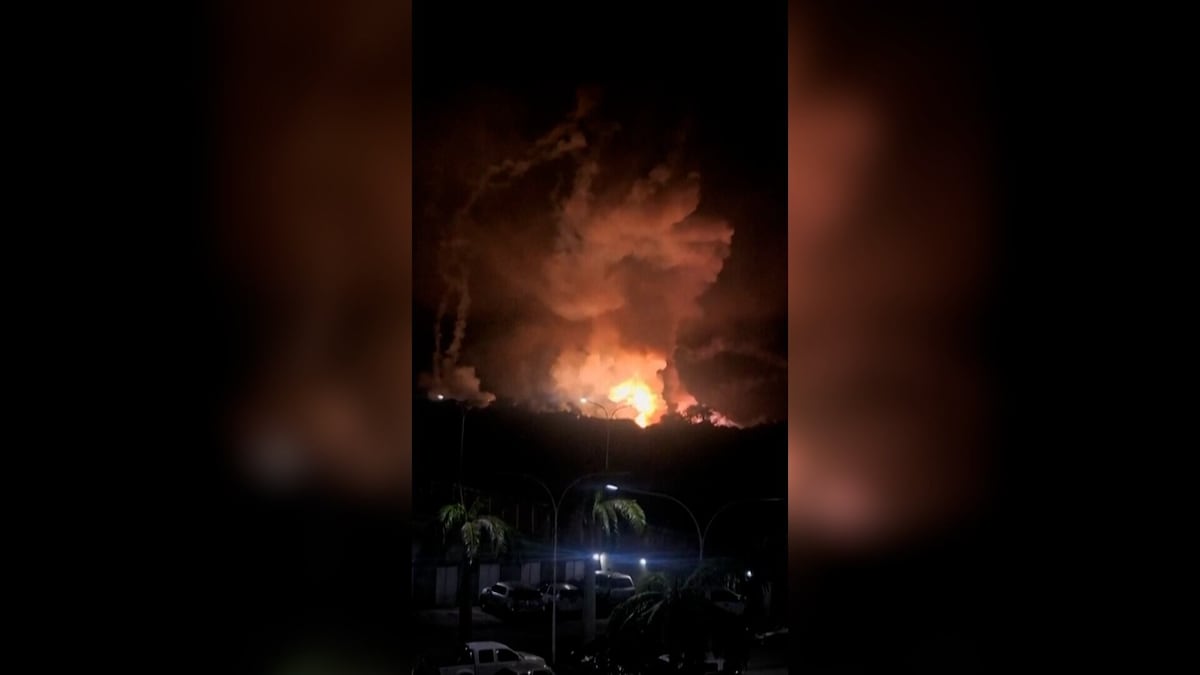
U.S. intelligence entities recently coordinated an extensive operation aimed at capturing Venezuelan leader Nicolás Maduro in Caracas. This mission included targeted strikes on various military installations across the city, indicating an elevated level of U.S. engagement in Latin America.
Intelligence Coordination
According to a knowledgeable U.S. official, multiple intelligence agencies activated crisis action teams, delivering critical intelligence to U.S. Special Operations Command and Southern Command throughout the operation. Key players included:
- National Security Agency (NSA): Tasked with monitoring foreign communications, the NSA provided geolocation data to facilitate the mission. Additionally, it conducted indicators and warning assessments crucial for understanding potential troop movements or the activation of radar systems.
- Central Intelligence Agency (CIA): Reports suggest that the CIA played a pivotal role in collaborating with elite units, such as the Army’s Delta Force, in locating Maduro. The agency has reportedly been engaged in covert operations within Caracas for months, utilizing highly classified assets from the U.S. intelligence community.
- National Geospatial-Intelligence Agency (NGA): The NGA contributed by offering imagery and mapping data essential for operational planning and execution.
Operational Details
Chairman of the Joint Chiefs of Staff, General Dan Caine, confirmed the involvement of the CIA, NSA, and NGA during a recent press briefing. In the run-up to the operation, U.S. intelligence officials meticulously documented Maduro’s daily activities, including his movements, residence, dietary habits, and personal details, including those of his pets.
In addition to these agencies, U.S. Cyber Command also participated, although specific actions taken by the cyber unit remain undisclosed.
Implications of the Operation
As a result of the operation, Maduro and his spouse are en route to New York, where they are anticipated to face charges related to narco-terrorism. President Trump has stated that the U.S. will assume control in Venezuela for the foreseeable future, leaving open the possibility of deploying additional U.S. military personnel on the ground.
Reactions from Political Leaders
Responses from key Senate Intelligence Committee leaders reflected a stark divide:
- Senator Tom Cotton (R-Ark): Chairing the committee, Cotton emphasized that Maduro is a U.S. indicted drug trafficker, asserting that such individuals would never find sanctuary. He spotlighted this operation as a testament to U.S. military capabilities under resolute leadership.
- Senator Mark Warner (D-Va): While acknowledging Maduro’s authoritarian rule, Warner expressed concern that the actions taken could set a dangerous precedent. He raised points about the potential for other nations, such as China and Russia, to justify similar military actions against foreign leaders. He underscored the fragile nature of global norms that currently restrain state aggression.
Conclusion
The operation against Nicolás Maduro signals a pivotal moment in U.S.-Latin American relations, entwining military strategy with complex geopolitical considerations. As reactions unfold domestically and internationally, the implications for future U.S. military actions—and their justification—will be closely scrutinized within the defense community and beyond.