
U.S. Military Operations Against Iranian Capabilities: An Update on Operation Epic Fury
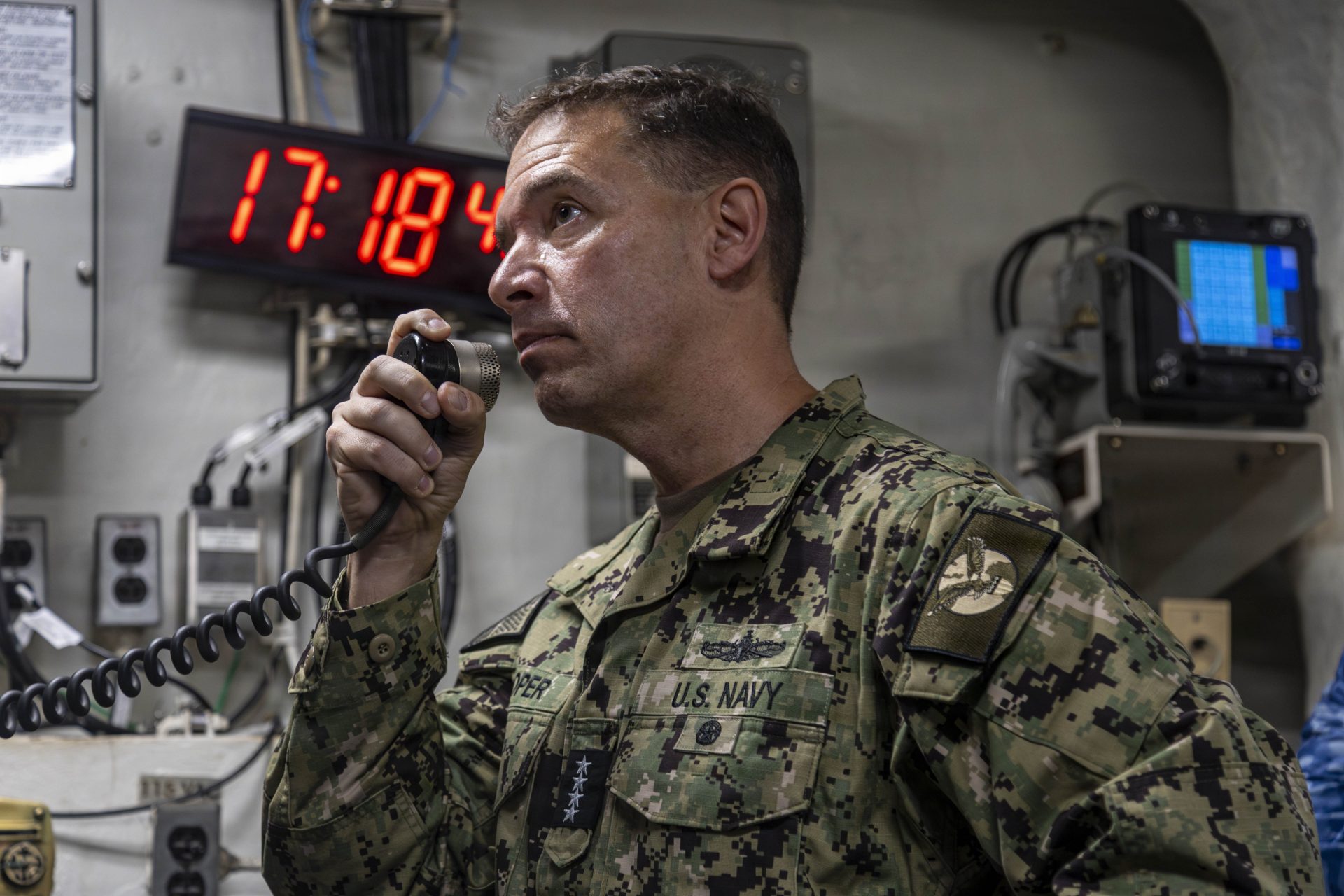
The U.S. military has escalated its campaign against Iranian infrastructure that supports the country’s data transmission and warfare capabilities in space, according to Adm. Brad Cooper, the commander of U.S. Central Command (CENTCOM). This strategic initiative coincides with the ongoing Operation Epic Fury, which has now entered its sixth day.
Strategic Strikes on Iranian Assets
In a briefing conducted with Defense Secretary Pete Hegseth at CENTCOM headquarters in Tampa, Florida, Cooper indicated that Iran’s military effectiveness is waning. Over the past 72 hours, U.S. bomber forces have targeted approximately 200 sites within Iran, with operations extending deep into territories, including areas surrounding Tehran. Notably, U.S. B-2 bombers executed precision strikes using 2,000-pound penetrator munitions against deeply buried ballistic missile launch systems.
Cooper emphasized that among the targeted facilities was Iran’s counterpart to the U.S. Space Command, thereby significantly undermining Iran’s operational capabilities in space warfare. Specifics regarding this strike on space-related assets were not disclosed, but it marks a crucial aspect of the operation aimed at degrading Iranian threats.
Enhanced Intelligence and Operations in Space
The U.S. Space Command plays an essential role in overseeing satellite communication and navigation systems and safeguarding American and allied endeavors in outer space. Space Command’s capacity as a “first mover” has been pivotal in delivering real-time intelligence, facilitating the identification and engagement of Iranian threats from the outset of Operation Epic Fury.
Intensified Naval Engagements
Cooper also reported a notable intensification in military actions against the Iranian Navy. Current estimates suggest that over 30 vessels have been sunk or otherwise neutralized, exceeding earlier figures cited by the President. In a recent operation, U.S. forces targeted an Iranian drone carrier—comparable in size to a World War II aircraft carrier—which is currently ablaze.
Mission Objectives and Progress
The overarching mission of Operation Epic Fury is clear: to dismantle Iran’s capacity to pose threats to U.S. interests and allies. Cooper highlighted substantial operational successes:
- Ballistic missile attacks: Decreased by 90% since the operation commenced.
- Drone assaults: Reduced by 83% over the same timeframe.
These metrics signal a significant diminishment of Iranian offensive capabilities. Nonetheless, Cooper urged continued vigilance in light of the dynamic operational environment.
Focus on Long-Term Goals
Following directives from President Trump, the mission extends beyond immediate strikes, aiming to dismantle Iran’s ballistics industrial infrastructure.
- Objective: Systematically degrade the Iranian missile production capability to prevent future military endeavors.
Cooper indicated that while this process will require time and resources, U.S. forces are well-equipped to achieve these goals.
Future Operations and Tactical Developments
As the operation evolves, both Cooper and Hegseth refrained from providing details on the specific types of objectives targeted by the new Low-cost Uncrewed Combat Attack System (LUCAS) drones deployed in this conflict for the first time.
In summary, Operation Epic Fury represents a critical effort to curtail Iran’s strategic military capabilities, and U.S. forces remain committed to ensuring a sustained reduction of threats emanating from the region.