
U.S. Military Escalates Presence in the Middle East Amid Houthi Threats to Shipping Lanes
The U.S. military has recently heightened its presence in the Middle East, deploying advanced F-35 fighter jets as part of a strategic response to the escalating threats posed by Yemen’s Houthi rebels. These rebels, whom the U.S. government labels as an Iran-backed terrorist organization, have been attacking commercial vessels in the vital Red Sea shipping lanes, raising alarms about regional security and international trade.
Reinforcement of Air Power
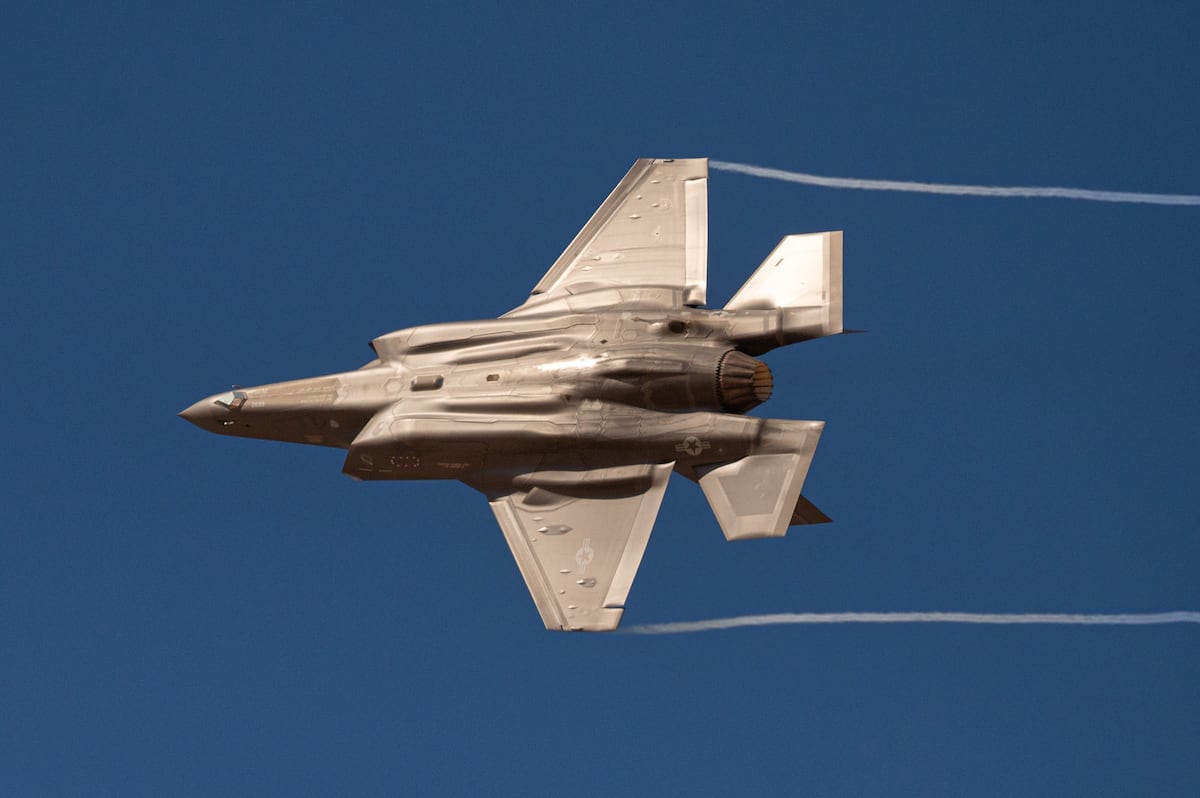
Defense Secretary Pete Hegseth has ordered the deployment of an additional air wing of F-35 fighters to Jordan. This move reflects the increasing importance of maintaining a robust military presence in the region, even as Jordan remains publicly cautious about hosting American military hardware. The F-35A is a pinnacle of modern military aviation, incorporating cutting-edge stealth capabilities, advanced sensors, and the flexibility to carry a variety of guided munitions. It is prized for its versatility in modern combat situations and underscores the Pentagon’s commitment to addressing security threats effectively.
Recent Military Actions and Historical Context
This surge in military assets follows a historical pattern of U.S. military engagements in the region. The F-35 fighters were previously deployed during the Gaza conflict as part of an effort to prevent the outbreak of a broader regional war. Their strategic use in airstrikes against Houthi positions aligns with the Biden administration’s ongoing mission to secure crucial maritime routes and protect commercial shipping interests.
In a broader context, the current situation in Yemen is a culmination of complex historical, geopolitical, and sectarian tensions. The Houthis have long been a significant element of Iran’s regional influence, leveraging their position to exert control over critical maritime pathways, which has far-reaching implications for global trade.
Escalating Air and Naval Deployments
The U.S. military’s enhanced posture includes a significant naval presence with the Harry S. Truman Carrier Strike Group remaining in the Red Sea and the imminent arrival of the Carl Vinson Carrier Strike Group. Furthermore, additional air support is not limited to fighter jets; the Pentagon has dispatched A-10 Warthogs and B-2 stealth bombers to strategic bases, including the U.S. base at Diego Garcia in the Indian Ocean. As a result, approximately half of the Air Force’s B-2 fleet capable of conducting missions is currently stationed at this location.
Moreover, the U.S. has strategically redirected scarce air defense systems from South Korea to the Middle East. This includes the deployment of two Patriot missile batteries and a Terminal High Altitude Area Defense (THAAD) battery aimed at shielding American assets and personnel from potential threats.
A Firm Message to Iran and Its Proxies
The operational changes signal a clear and deliberate message to Iran, which remains the principal backer of the Houthi rebel group and is viewed as America’s primary adversary in the region. Pentagon spokesperson Sean Parnell emphasized that the U.S. will take decisive action to protect American personnel and interests against any threats stemming from Iranian actions or those of its affiliated groups.
President Donald Trump has reinforced this sentiment via social media, declaring that the Houthis must cease their attacks on U.S. ships, or face severe repercussions. This confrontational stance points to a larger U.S. strategy focused not only on immediate threats but also on curbing Iran’s influence across the Middle East.
Houthi Resistance and Ongoing Conflicts
Despite more than two weeks of concentrated U.S. air strikes targeting various Houthi sites—which included over 100 command posts, stockpiles, and launch sites—the group has shown remarkable resilience. The U.S. efforts have not resulted in a significant shift in the Houthis’ operational capabilities, nor have they successfully deterred the group from continuing its aggression against commercial shipping, demonstrating the complexity of the conflict and the challenges involved in regional stability.
After the onset of Israel’s conflict with Hamas in the fall of 2023, the Houthi rebels intensified their strikes on shipping vessels. This escalation came even in the wake of U.S. and coalition military efforts aimed at safeguarding global trade routes. Despite the strikes ordered by the U.S. military, shipping companies have largely refrained from returning to the Red Sea, highlighting the uncertain waters in which international maritime trade now navigates.
The Broader Implications
The escalation of military actions and asset deployments signals a heightened state of alert within the U.S. military establishment, focusing on the dual objectives of protecting American interests and curbing Iranian influence in the region. As tensions between the U.S. and Iran persist, the evolving dynamics between the Houthis, U.S. forces, and international commercial activities in the Red Sea will continue to shape the geopolitical landscape, necessitating close monitoring and potential adjustments in U.S. military strategies to ensure regional security and stability.