
Elite Sniper Teams Showcase Skills at International Competition
Overview of the Event
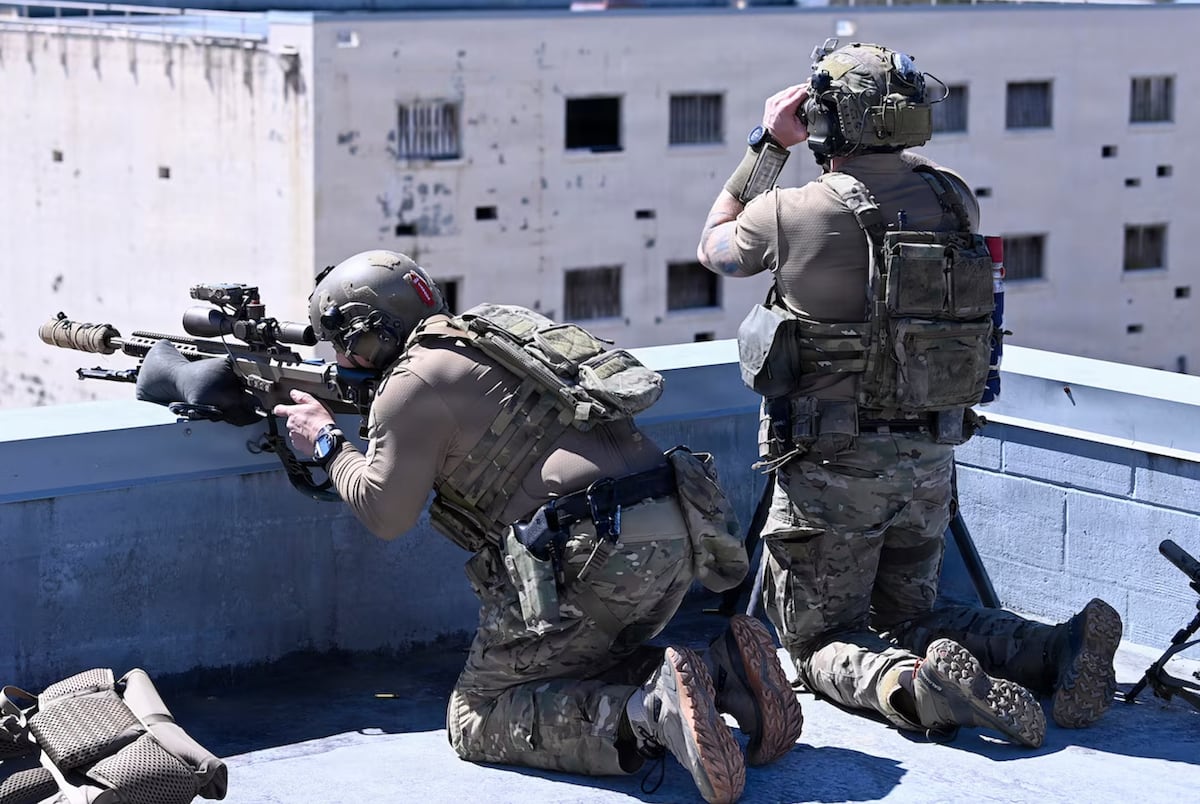
Seventeen specialized sniper teams recently convened at Fort Bragg, North Carolina, for the U.S. Army Special Operations Command International Sniper Competition. This event, held from March 15-19, is an esteemed international gathering aimed at assessing the combat readiness and proficiency of elite snipers from both domestic forces and allied nations.
Significance of the Competition
Army Colonel Simon Powelson articulated its importance, stating, “This competition represents the apex of the sniper profession. The participants are not merely selected by chance; they are the culmination of rigorous and specialized training within their respective units.” This highlights the rigorous standards and comprehensive training that competitors undergo to qualify for such an elite event.
Participant Composition
The competition featured teams from:
- Army Green Berets and Rangers
- Naval Special Warfare Command
- Marine Forces Special Operations Command
- Coast Guard units
- Allied special operations forces from several partner nations
This diversity underscores not only the collaborative nature of modern military operations but also the shared commitment to excellence among participating forces.
Performance Highlights
At the conclusion of the competition, the Army Special Operations Command team claimed victory, with the Army’s 3rd Special Forces Group team following closely behind.
Participants engaged targets at distances reaching up to 1,200 meters, utilizing an arsenal of weaponry including sniper rifles, carbines, and pistols. This variety enhances the breadth of skills tested and mirrors real-world combat scenarios.
Challenging Conditions
The competition encompassed both daytime and nocturnal operations, confronting participants with unpredictable challenges posed by inclement weather. Rain, wind, and cold temperatures contributed to a realistic training environment vital for honing operational effectiveness.
Timothy Gozelski, a sniper course instructor, noted the significant impact of weather conditions, asserting, “Synchronization with your partner is just as crucial as communication. Success hinges on both operators staying aligned on every aspect of their operations.”
Fellow instructor Richard Cuza emphasized the criticality of communication under such harsh circumstances, stating, “In these conditions, effective communication is not just important; it’s vital.”
Conclusion and Future Outlook
Now entering its 17th iteration, the competition is sponsored by the U.S. Army John F. Kennedy Special Warfare Center and School. Leadership and instructors from the Special Forces sniper course meticulously designed the events and served as evaluators, ensuring that the benchmarks for excellence are rigorously maintained.
This event not only showcases sniper skills but also fosters camaraderie and knowledge exchange among allied forces, reinforcing the global network of military cooperation essential for addressing contemporary security challenges.