
U.S. Air Force Enhances Readiness Through No-Notice Inspections
In a decisive move to bolster operational readiness, the U.S. Air Force has reinstated unannounced combat readiness inspections for its units. This initiative underscores the critical emphasis placed by leadership on ensuring that units are fully prepared for deployment.
Leadership Focus on Readiness
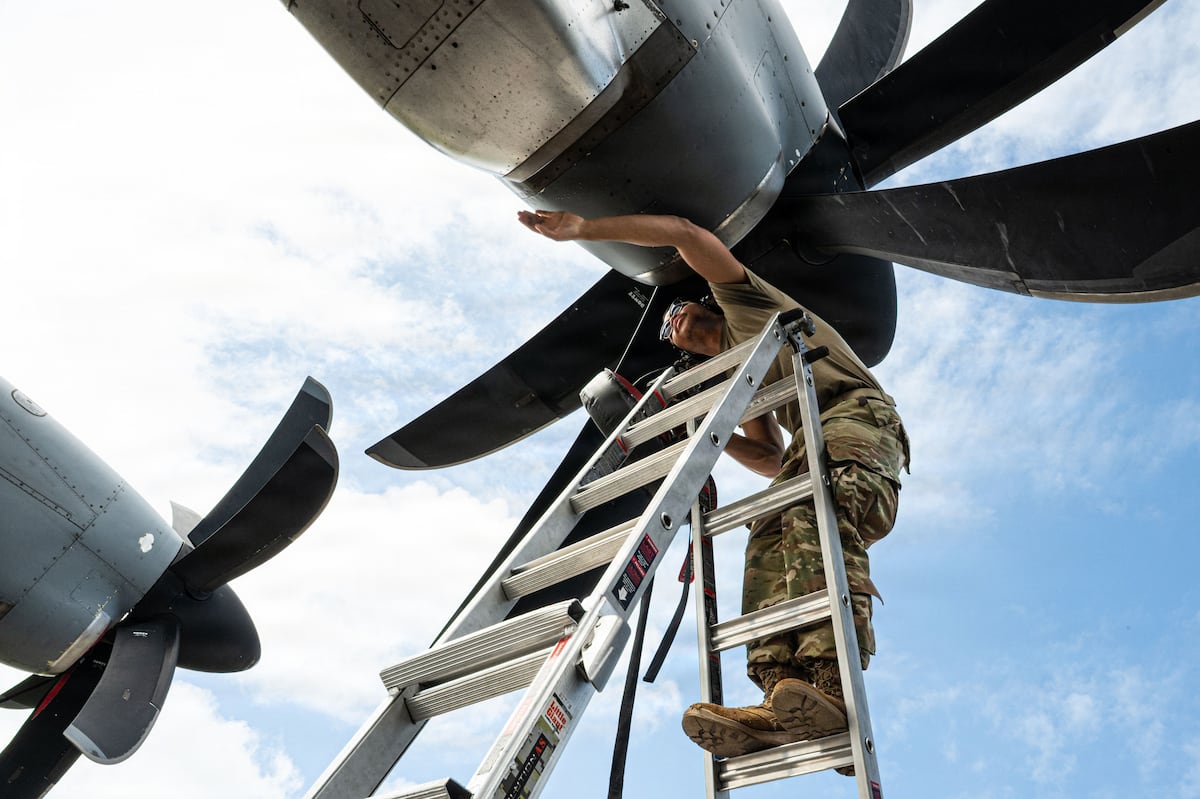
Lt. Gen. Scott Pleus, acting Vice Chief of Staff of the Air Force, articulated at a recent Mitchell Institute conference that both Secretary of the Air Force Troy Meinks and Chief of Staff Gen. Kenneth Wilsbach have prioritized readiness. He highlighted that this focus extends beyond merely ensuring aircraft are in the air; it encompasses maintaining and repairing them effectively, allowing air crews to execute necessary sorties.
- Key Leadership Quotes:
- “This is commanders’ business, and we’re going to hold commanders responsible for that,” Pleus stated, reinforcing the notion that accountability lies firmly with unit leaders.
Shifting Command Dynamics
Historically, the Air Force adopted a more centralized model to manage readiness. However, under the current leadership, there is a concerted effort to empower unit commanders. This shift aims to enhance responsibility at grassroots levels, with commanders now tasked directly with ensuring their units achieve acceptable readiness levels.
- Responses to surprise inspections will be directed at the commanding officers, making them wholly accountable for their unit’s preparedness.
Addressing Declining Readiness Rates
The Air Force continues to grapple with a concerning downward trend in aircraft readiness, with mission-capable rates plummeting to just 62% in fiscal year 2024—historically low levels. The fleet size has also seen a reduction, now numbering below 5,000 aircraft, which compounds the challenge of maintaining operational effectiveness.
Modernization vs. Maintenance Balance
For years, previous administrations prioritized fleet modernization, often at the expense of maintaining existing aircraft. In contrast, the current leadership is crystal clear: readiness must take precedence.
- Increased Focus Areas:
- Procurement of necessary parts to support maintenance crews in their daily operations.
- Developing strategies to ensure that aircraft can be repaired and returned to service swiftly.
Pleus emphasized a commitment to modernization but made it clear that it will not interfere with enhancing current operational readiness.
Accelerating Processes and Minimizing Bureaucracy
Speed is of the essence in this renewed focus on readiness. Leadership mandates a rapid approach to exercises, acquisitions, and collaborations with the defense industrial base. Elimination of unnecessary bureaucratic hurdles has been a consistent theme from leadership.
- Strategic Approaches:
- Streamlining acquisition processes to respond promptly to emerging threats.
- Fostering partnerships with Congress and the Pentagon to guarantee the availability of essential maintenance resources.
“There’s a critical time constraint in our operations,” Pleus said, highlighting the need for streamlined processes and rapid decision-making.
Upholding High Standards Across the Force
The Air Force’s commitment to high standards is evident at every level, from dress codes to tactical execution. The focus on discipline reflects a broader cultural shift within the organization aimed at maximizing readiness and performance.
- Emphasis on Standards:
- Leadership encourages teams to consistently meet elevated expectations, fostering a culture of excellence and accountability.
In summary, as the U.S. Air Force embarks on this revitalized approach to combat readiness, the focus is on ensuring operational effectiveness through decentralized command, timely maintenance, and stringent standards. These initiatives are crucial as the Force navigates contemporary challenges in an increasingly complex global security environment, aiming to adapt and respond with agility while maintaining high levels of operational readiness.