
Advancements in Precision Strike Capabilities: The Introduction of the ERAM
Overview of the Extended Range Attack Munition
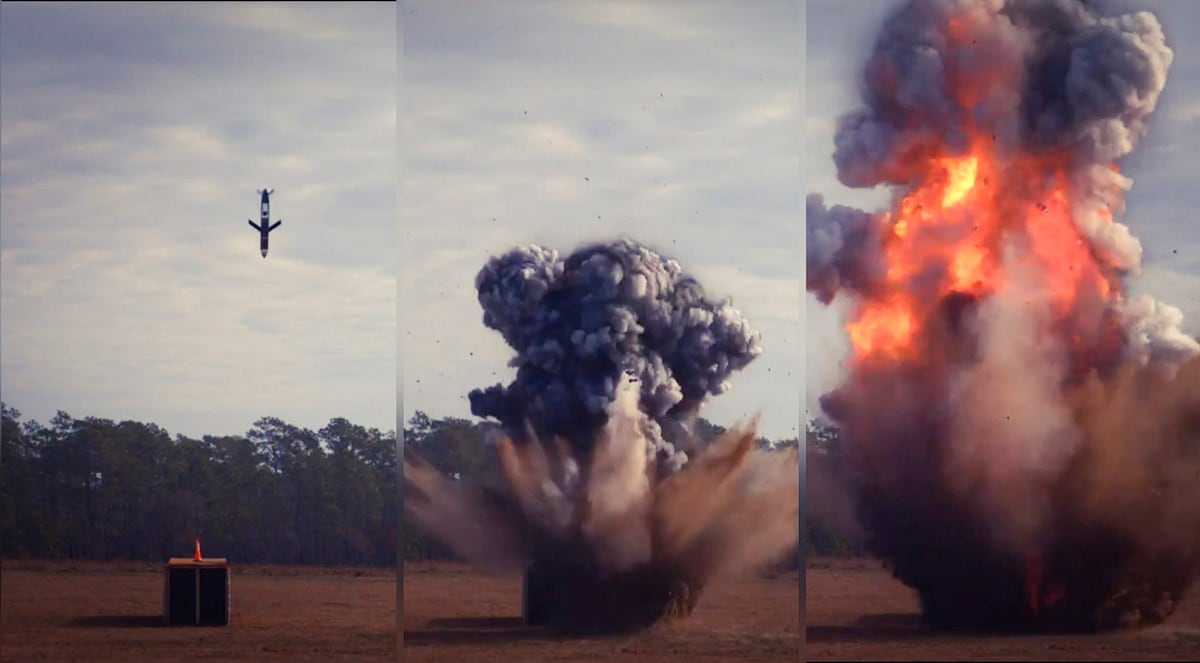
On January 21, the United States Air Force successfully executed a live warhead test of the newly developed Extended Range Attack Munition (ERAM), a standoff cruise missile designed to enhance strike capabilities against critical fixed targets. This development was accomplished within a rapid timeframe of just 16 months, demonstrating significant advancements in military innovation and operational readiness.
Purpose and Design Features
ERAM is engineered as an air-launched cruise missile, emphasizing precision targeting at extended ranges while maintaining cost-effectiveness. This system aligns with the growing necessity for the Air Force to sustain deterrent operations against evolving threats. Key attributes of ERAM include:
- Standoff Capability: Enables engagement of high-value targets from a considerable distance, thereby minimizing risk to aircraft and personnel.
- Precision Guidance: Designed to ensure high accuracy, reducing collateral damage during operations.
- Cost Efficiency: Developed with affordability in mind, allowing for rapid production and integration into existing military platforms.
Rapid Development and Testing
Brigadier General Robert Lyons III, overseeing weapons acquisition for the Air Force, emphasized the significance of this swift transition from contract to live-fire test. The collaboration with small defense firms, namely Zone 5 Technologies and CoAspire, exemplifies a strategic initiative to expedite military capabilities. This acceleration is crucial in a dynamic geopolitical environment where operational responsiveness is paramount.
“The progress made from contract award to live demonstration in under two years exemplifies our commitment to delivering relevant and effective combat capabilities,” stated General Lyons.
The test at Eglin Air Force Base in Florida, involving teams from the Air Force Life Cycle Management Center’s Armament Directorate, was noteworthy for its comprehensive objectives. The successful detonation and subsequent data collection will inform continued design improvements, underlining the iterative nature of defense technology advancements.
Strategic Implications
Brigadier General Mark Massaro, commanding the 96th Test Wing, articulated the need for the United States to maintain an asymmetric advantage in modern warfare. By investing in systems such as the ERAM, military commanders are empowered to achieve mass engagement capabilities crucial for future conflicts.
International Sales and Strategic Alliances
The growing global demand for advanced military systems prompted the U.S. government to authorize the export of ERAMs to Ukraine. As announced in August 2025, the State Department approved the sale of up to 3,350 ERAM units, complete with GPS and navigation systems, for approximately $825 million. This strategic partnership aims to bolster Ukraine’s defense capabilities amidst ongoing regional tensions.
Key Takeaways on ERAM’s Capabilities:
- Enhanced Deterrence: Provides the Air Force and allied nations with a robust tool for deterring adversaries.
- Cost-Effectiveness: Facilitates rapid production cycles, enabling nations to equip their forces without excessive expenditure.
- Integrated Technology: The inclusion of advanced navigation systems enhances operational effectiveness in complex environments.
Conclusion
The introduction of the Extended Range Attack Munition marks a significant milestone in the modernization of U.S. military capabilities. This development reflects a broader strategy of agile manufacturing and collaboration with the defense industry, ensuring the U.S. can adapt to the evolving landscape of modern warfare. By fostering innovation and strategic partnerships, the Air Force is not only enhancing its own operational capabilities but also contributing to international security frameworks.
As the military landscape continues to shift, ERAM stands as a testament to the importance of adaptive tactics and technologies in ensuring national security objectives are met efficiently and effectively.