
Transforming Army Training Through Drone Technology
Introduction to Innovative Training Methods
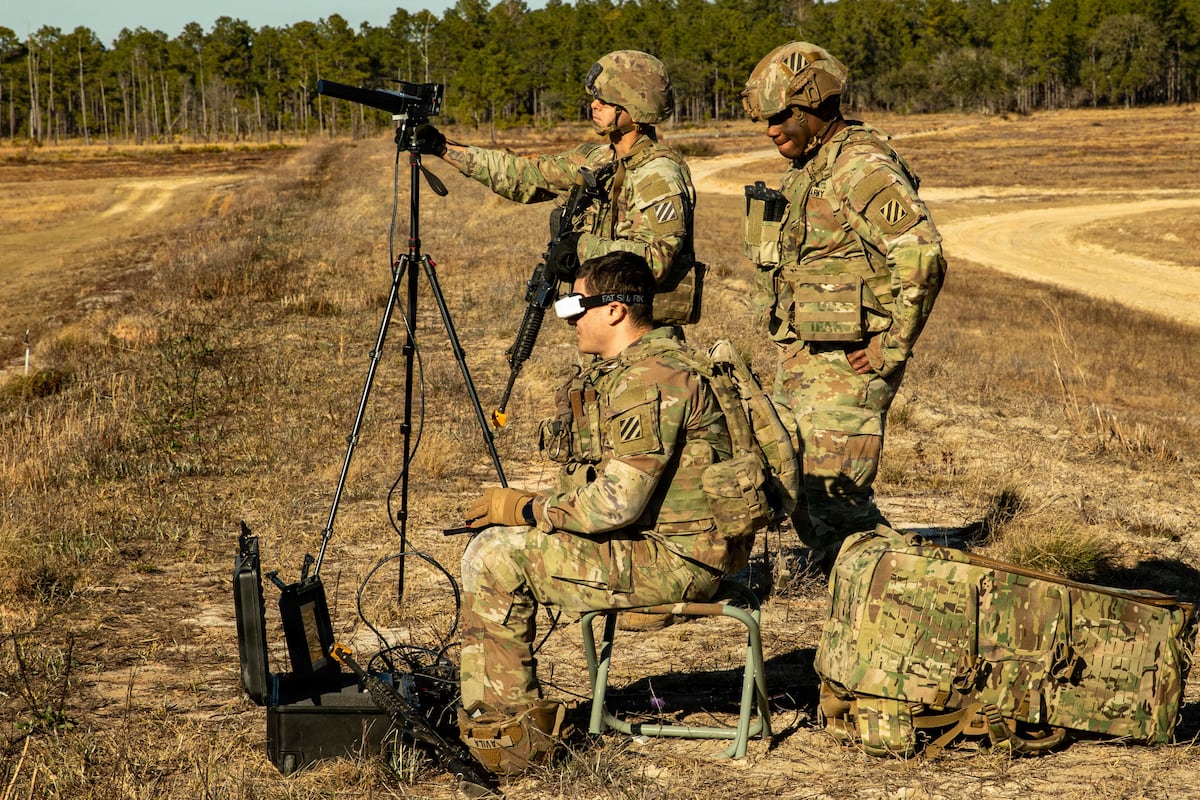
At Fort Stewart, Georgia, Spc. Lathan Thomley has transitioned from his initial ambition as a cavalry scout to engaging in high-tech drone operations. As a participant in the 2nd Armored Brigade Combat Team’s (ABCT) Transformation in Contact (TIC) initiative, Thomley is among junior soldiers who are experimenting with cutting-edge drone technologies that will shape future Army doctrine.
The TIC Initiative: Ground-Up Innovation
The TIC initiative empowers on-ground soldiers to lead the exploration of new drone capabilities, providing critical insights into operational strategies. This method reflects a significant shift in military training—an adaptation driven largely by lessons learned from the ongoing conflict in Ukraine.
Key Aspects of the TIC Approach
-
Ground-Level Experimentation: Soldiers are actively involved in testing technology before formal doctrine adjustments occur, ensuring that operational needs and battlefield realities are prioritized.
-
Advanced Simulation Training: Trainees begin their journey using computer simulations, such as the consumer-grade drone program “Liftoff.” This platform allows users to master basic piloting skills in a virtual environment.
-
Real-World Application: After mastering the simulation, soldiers transition to piloting actual drones, reinforcing the practical application of their skills.
Evolving Drone Training Paradigms
Unlike conventional training pathways that depend on established curricula and formal instruction, drone operation training is fluid and responsive. Soldiers like Thomley have forded this new landscape without attending traditional drone schools. Instead, they embrace opportunities presented by brigade leadership to develop operational capabilities on the fly.
Unique Training Dynamics
-
Hands-On Experience: Through innovative tools and immersive technology, soldiers train using first-person view goggle systems that provide a new operational perspective, albeit with challenges such as motion sickness.
-
Inverted Controls: The unconventional control scheme—where moving the controller down makes the drone ascend—initially perplexes operators but becomes second nature with practice.
Impact of Aerial Technologies on Modern Warfare
The emergence of drone technologies has prompted a reevaluation of battlefield strategies and formations. As the Army studies the Ukraine conflict, they recognize the significant role that UAVs play in shaping both reconnaissance and tactical engagements.
Strategic Considerations
-
Battlefield Awareness: The traditional role of cavalry—to observe and report on the battlefield—has evolved. Operators now utilize drones equipped with high-resolution cameras to gain situational awareness from above.
-
Feedback-Driven Development: Drone operators provide feedback that directly informs how equipment is utilized and adjusted within armor-centric formations. This iterative process ensures that evolving tactics and technologies align with operational demands.
-
Lessons from Adversaries: Army leadership, including Col. Alexis Perez-Cruz, emphasizes the need to analyze adversarial strategies observed in Ukraine, fostering an environment where innovation meets the realities of modern conflict.
Conclusion: Readiness for Large-Scale Combat Operations
The TIC initiative represents a paradigm shift in how the Army trains soldiers for future combat engagements. By integrating advanced drone capabilities into traditional cavalry missions, the Army is not only enhancing its operational versatility but also ensuring that its personnel are equipped to thrive in a rapidly changing battlefield environment. As soldiers like Thomley embrace these new technologies, they carry forward a transformation that prepares the Army for more complex and contested operations in the future.