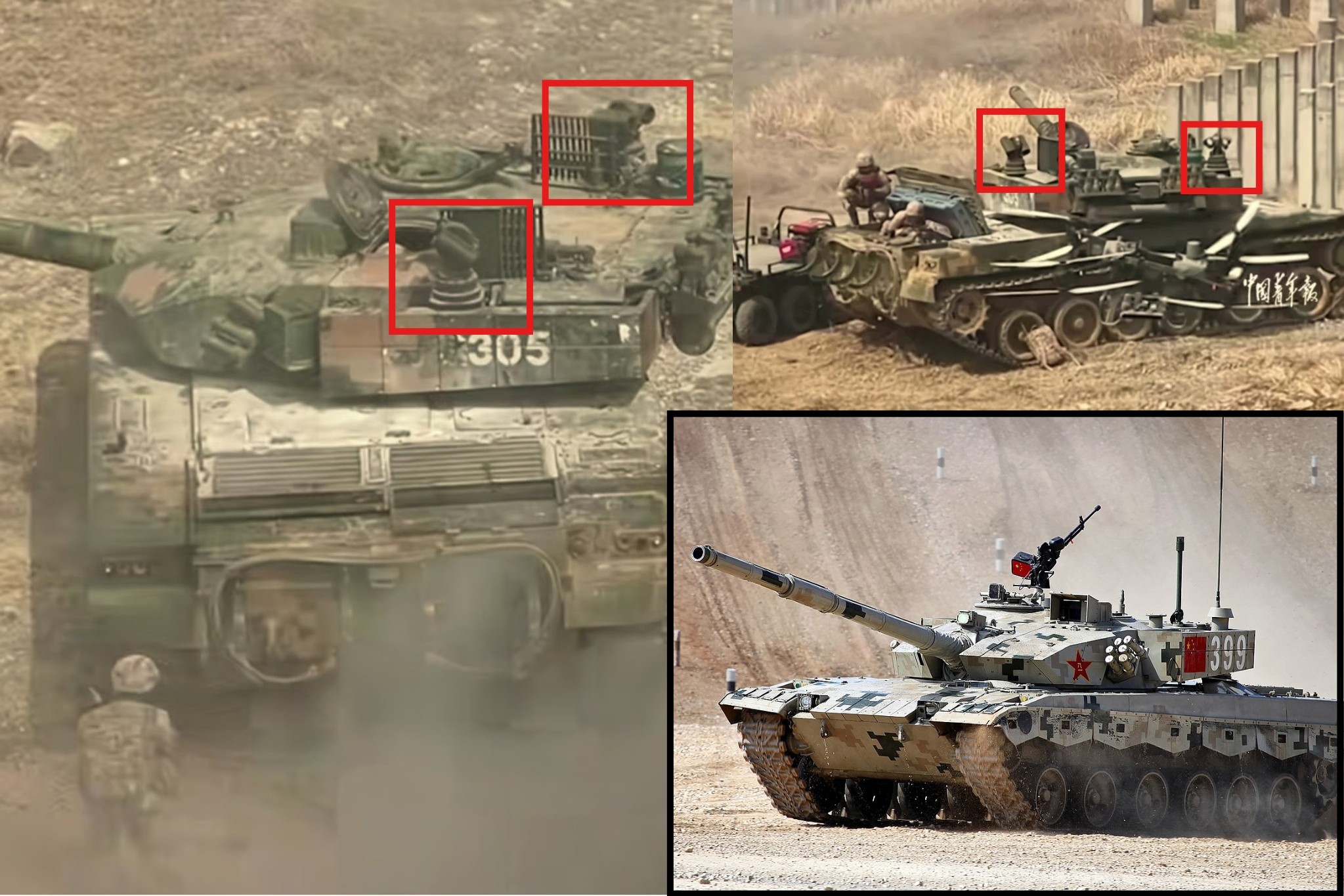


Modernizing Armor: The Evolution of Ukraine’s Abrams Tanks
Introduction: A New Paradigm in Armored Warfare
On April 1, 2026, the 1st Separate Assault Regiment of Ukraine disclosed significant modifications to its fleet of M1A1 Abrams tanks, illustrating how Western armored vehicles are being adapted to contemporary combat challenges. This development underscores a transformational approach to armored warfare, where adaptability is becoming as critical as inherent design features.
Enhancements to Combat Resilience
The Abrams tanks are undergoing substantial upgrades, including:
- Protective Grilles: Installed to absorb impact from aerial threats.
- Kontakt-1 Explosive Reactive Armor: A legacy system now repurposed to protect against shaped charges.
- Anti-Drone Standoff Structures: Designed to mitigate risks from first-person view (FPV) drone attacks.
These modifications are much more than mere field enhancements; they signify a broader shift in the strategic landscape of armored combat. In Ukraine, survival increasingly hinges on the capability to modify vehicles rapidly in response to evolving threats.
The Implications of Tactical Adaptation
The Abrams was originally designed for high-intensity mechanized confrontations, where its firepower and protective capabilities were optimized for conventional warfare. However, modern engagements are characterized by persistent surveillance, rapid target acquisition, and attacks from novel aerial platforms. The incorporation of grilles and standoff systems represents a proactive measure to disrupt the operational geometry of drone assaults.
- Disruption of Attack Geometry: The added structures aim to intercept drone attacks before impact, creating a buffer zone effective in reducing damage from strikes.
The integration of Kontakt-1 armor further exemplifies a practical approach to battlefield survivability. Originally conceived for Soviet-era vehicles, this system’s incorporation into U.S.-made Abrams emphasizes a hybridization that enhances combat endurance against current threats.
Moving Beyond Symbolism: Operational Reality
Ukraine’s Abrams fleet has transcended its initial symbolic status following the United States’ commitment in January 2023 to supply 31 M1A1 tanks, marking the establishment of an operational contingent. The recent announcement by Australia to transfer an additional 49 tanks further solidifies this capability. Reports indicate that these Australian-supplied units also feature upgraded anti-drone measures and localized control interfaces to facilitate rapid crew training.
- Localization of Control Panels: This feature is essential for expediting training and minimizing operational errors, making the transition to foreign systems smoother for Ukrainian soldiers.
The evolution of Ukraine’s Abrams tanks exemplifies the practical challenges of assimilating complex foreign military hardware into existing frameworks, particularly under wartime conditions.
Sustaining a Modern Armor Fleet
Support infrastructure plays a pivotal role in maintaining the effectiveness of armored units. Poland’s Wojskowe Zakłady Motoryzacyjne has announced ambitious plans to bolster its maintenance capabilities for U.S. military equipment in 2026. This is not merely an administrative detail; the capacity to recover, repair, and adapt damaged vehicles impacts overall combat availability and effectiveness.
- Rapid Recovery and Repair: The sustained utility of tanks in attritional conflict relies on the speed at which vehicles can be brought back into action.
The Future of Tank Design and Doctrine
The enhancements observed in Ukraine’s Abrams tanks signal critical lessons for armored forces globally. In the contemporary battlefield, reliance on traditional factors such as reputation, original design specifications, or armor thickness is increasingly inadequate. A tank must now possess the agility to evolve in alignment with emerging threats characterized by lower costs and higher velocity.
The amalgamation of protective grilles, reactive armor, anti-drone measures, and crew-focused modifications paints a picture of the future of tank survivability. It emphasizes a paradigm shift from static design to layered, ongoing adaptation, reinforcing the notion that heavy armor must continually be re-engineered to wield combat advantage in modern warfare.
In summary, the adaptive strategies being implemented in Ukraine’s Abrams tanks offer a case study in how forces must respond to the demands of contemporary conflicts and the imperative for continuous innovation in armored vehicle design and capability.