Operation Absolute Resolve: A Strategic Overview of the U.S. Military’s Intervention in Venezuela
The recent U.S. military operation targeting Venezuelan President Nicolás Maduro symbolizes a significant escalation in U.S.-Venezuela relations, reflecting not only the geopolitical stakes of the region but also America’s strategic approach to countering perceived threats. This carefully orchestrated mission involved extensive coordination across various military and intelligence communities, demonstrating the complexities of modern military operations.
Operation Details and Tactical Execution
Dubbed Operation Absolute Resolve, this multifaceted endeavor was months in the preparation, mobilizing over 150 aircraft and unmanned aerial systems that supported the operation’s execution. According to high-ranking officials, the mission leveraged integrated capabilities from space, cyber operations, and numerous intelligence agencies.
- Operation Timeline:
- Initiation: The mission received the green light at 10:46 PM ET, prompting immediate action across various military command points.
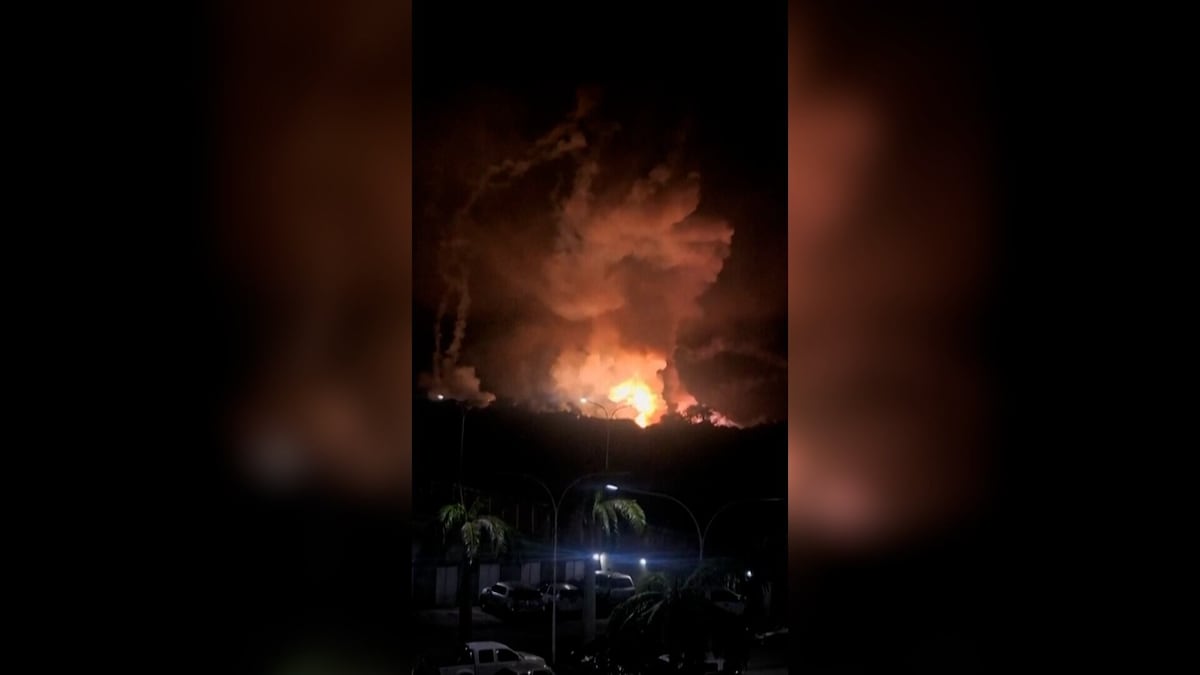
- Execution: By early morning, U.S. forces successfully engaged in a raid in Caracas, culminating in the capture of Maduro and his wife, Cilia Flores.
President Trump, discussing the operation at his Mar-a-Lago estate, reaffirmed the effectiveness of U.S. military capabilities, stating, “All Venezuelan military capacities were rendered powerless.” This assertion underscores the preemptive measures taken to disable Venezuela’s air defenses prior to troop movements, showcasing a preference for minimizing enemy resistance and maximizing operational efficiency.
Comprehensive Military Assets Deployed
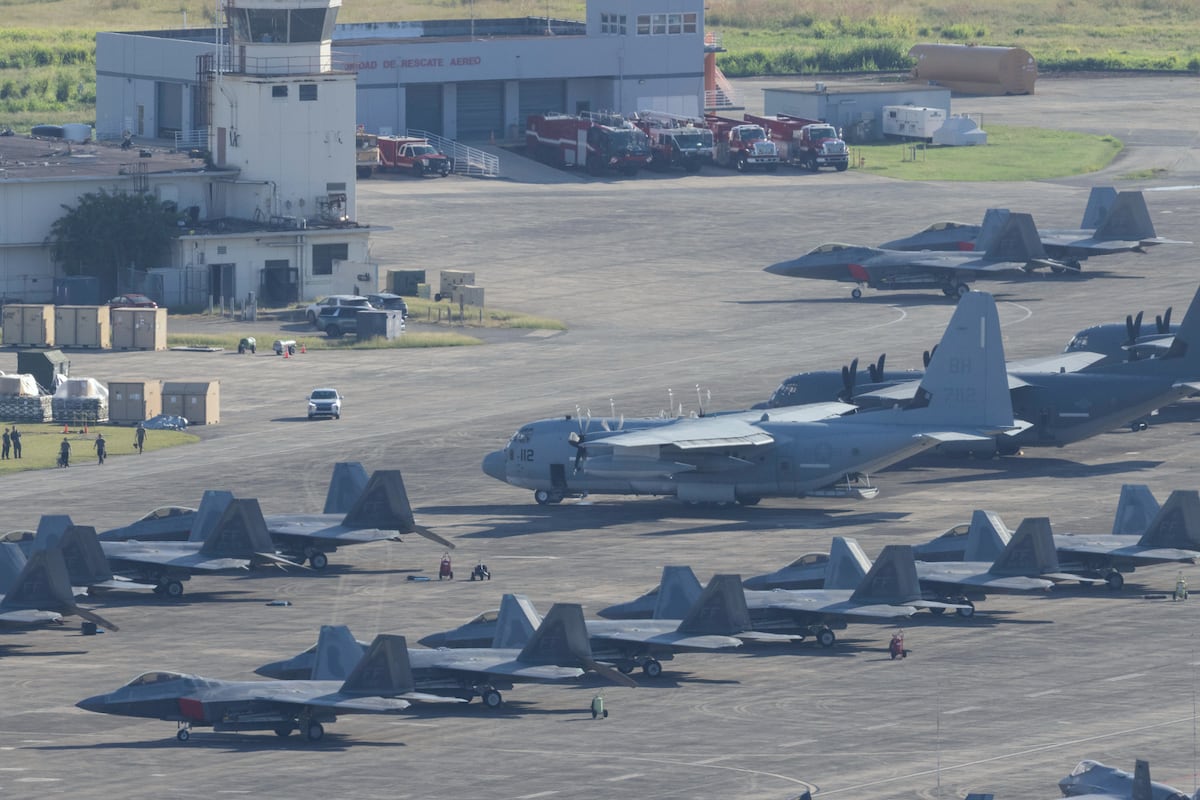
The operation involved a robust contingent of military hardware, highlighted by the following:
- Aircraft Types:
- F-22s
- F-35s
- F/A-18s
- EA-18 Growlers
- B-1 bombers
- Support Systems: An array of remotely piloted drones contributed to intelligence gathering and reconnaissance.
The operation’s timeline indicates that as forces approached Venezuelan territory, extensive support from U.S. Space Command and Cyber Command facilitated superior tactical positioning and information superiority. The successful disabling of Caracas’ air defense systems allowed U.S. helicopter units to penetrate the objective area safely.
Engagement and Operational Challenges
Upon arrival at Maduro’s compound at approximately 1:01 AM ET, U.S. forces faced immediate resistance, including direct gunfire from Venezuelan defenders. Despite sustaining minor damage, the helicopters remained operational, allowing for the continuation of the mission.
Real-time intelligence support provided crucial updates to ground forces as they engaged with Maduro’s security. Ultimately, the Venezuelan leader and his wife capitulated, leading to their capture and subsequent transport to a U.S. Navy vessel.
Post-Operation Assessment and Implications
As American forces withdrew, the operation was not without repercussions. Venezuela’s government promptly condemned the action, labeling it an act of “extremely serious military aggression” and signaling a national emergency. Reports regarding civilian impact and infrastructure damage remain limited.
Trump’s comments post-operation suggest a broader intention: to influence Venezuelan governance until a “safe, proper, and judicious transition” can occur. This outlook raises pertinent questions about the long-term strategy and implications for U.S. involvement in Latin America.
Strategic Context and Future Considerations
The escalation of tensions preceding this operation was marked by a significant U.S. military presence in the Caribbean, reflecting ongoing concerns regarding Venezuela’s extensive oil reserves and its alleged narcotics trafficking activities. The engagement of the U.S. military in such a direct capacity underscores a pivotal shift in U.S. defense policy in Latin America, emphasizing a willingness to conduct operations that were previously considered beyond the threshold of acceptable military action.
As the geopolitical landscape continues to evolve, the implications of this operation may resonate beyond immediate diplomatic ties, influencing U.S. military strategies and alliances throughout the region. The balanced assessment of operational effectiveness versus geopolitical repercussions will remain critical for defense analysts and policymakers alike.