Challenges in Pentagon Guidelines Impacting Robotics Integration
Issues with Repair Policies
Recent discussions highlight that current Pentagon directives, which prohibit military personnel from servicing and modifying their weapons systems, are severely impeding the acceleration of U.S. military operations involving ground and aerial robotics. Defense analysts, including senior fellow Dara Massicot from the Carnegie Endowment for International Peace, indicate that this situation stems from defense contracts that favor manufacturers’ maintenance and data rights over operational readiness.
Ukrainian Experience
Massicot pointed out that much of the equipment provided to Ukrainian forces remains beyond their capacity for repair. This limitation creates significant logistical challenges:
- High Intensity Conflict: Damaged Western equipment often necessitates return to the manufacturer for repairs, which creates operational delays.
- Adaptive Strategies: In contrast, Ukrainian forces have successfully modified domestically produced drones, showcasing a remarkable capacity to adapt to the rapidly evolving demands of modern warfare. This adaptability is of keen interest to the U.S. trainers at the Kennedy Special Warfare Center at Fort Bragg.
Emphasis on Open Architecture
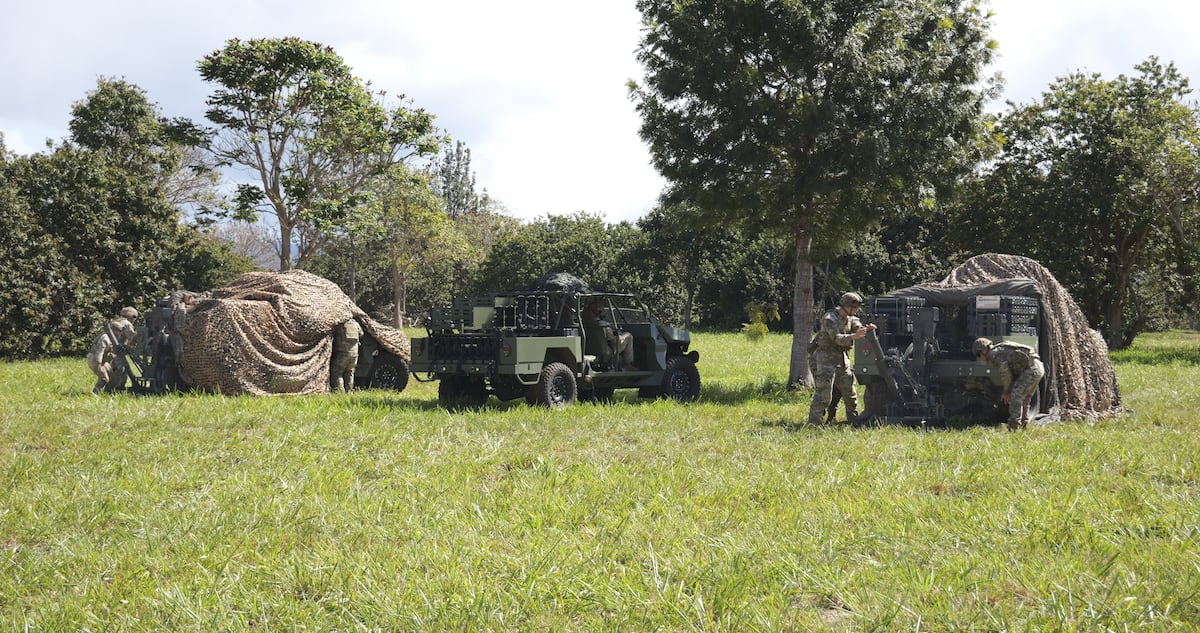
According to Army Colonel Simon Powelson, who leads the Special Warfare Training Group, effective integration of robotics into military strategy relies on the ability to conduct field repairs and modifications:
- Dynamic System Integration: Powelson emphasized the necessity for an “open architecture” approach, enabling immediate adaptations during conflict scenarios.
- Unified Operations: He envisions a synergistic approach where drones, traditional artillery, and advanced warfare systems operate cohesively to achieve tactical objectives.
Legislative Efforts and Bureaucratic Hurdles
Despite calls for reform, the Pentagon’s acquisition framework often favors proprietary systems. In 2025, attempts led by Senator Elizabeth Warren to insert a “Warrior Right to Repair” provision into the National Defense Authorization Act did not succeed.
- Legislative Intent: The provision aimed to mandate access to repair materials and information essential for maintenance and repairs by contractors.
- Future Advocacy: Senator Warren has reiterated the need for the Pentagon to leverage existing authorities to enhance repair rights and will continue advocating for bipartisan solutions to this issue.
Concerns with Intellectual Property
As the Pentagon explores ways to invigorate its industrial base with diverse companies, experts emphasize the complexity of intellectual property rights in defense contracting. William C. Greenwalt from the American Enterprise Institute notes:
- Legal Nuances: Navigating the legal landscape of defense procurement poses significant challenges, influenced by political factors and existing laws.
Competitiveness and Tactical Innovation
Massicot noted that adversaries like Russia have effectively implemented frontline repairs and modifications, utilizing specialized personnel strategically stationed at operational sites. This tactic presents a model for the U.S. military to consider:
- Integrated Support: Forward-deployed specialists could enhance the U.S. military’s repair capabilities, aligning with innovative battlefield demands.
- Industry Adaptation: While some defense contractors are progressively moving technicians closer to conflict zones, larger firms remain more reticent, leading to operational discrepancies.
Exploring Opportunities in Ukraine
The Biden administration has relaxed previous restrictions on defense contractors’ involvement in Ukraine, creating potential avenues for firsthand observations and adaptations in the field. Massicot argues:
- Policy Reevaluation: The U.S. military should contemplate easing internal restrictions, harnessing the opportunities presented by the Ukrainian conflict as a testing ground for tactical evolution.
- Strategic Innovation: As several American firms pilot new technologies in Ukraine, a coordinated effort to enhance the robustness of field operations is vital for maintaining competitive parity in future conflicts.
By addressing these systemic limitations on repair capabilities and integrating innovative practices from ongoing conflicts, the U.S. military can enhance its operational effectiveness in an increasingly complex global environment.