The Impact of Pentagon Repair Policies on U.S. Military Operations
Introduction
Recent critiques from defense experts have underscored the challenges stemming from Pentagon policies that prevent military personnel from undertaking repairs and modifications to their equipment. This limitation is seen as a significant impediment to the U.S. military’s ability to effectively integrate ground and aerial robotic systems within tactical operations.
Repair and Modification Restrictions
Consequences of Contractual Obligations
Dara Massicot, a senior fellow at the Carnegie Endowment for International Peace, highlighted the inherent flaws within existing defense contracts. These agreements frequently grant manufacturers exclusive rights to repair and access data related to their equipment, thereby constraining operational flexibility for military units.
For instance, Ukrainian forces have encountered difficulties in maintaining U.S.-supplied hardware; if such equipment sustains critical damage, it often requires return to the manufacturer for repairs. Massicot stated, “This creates considerable friction in high-intensity conflicts, where rapid adaptability is essential.”
Agility in the Ukrainian Military
In stark contrast, Ukrainian forces have demonstrated considerable proficiency in adapting domestically produced unmanned aerial vehicles (UAVs). This adaptability has enabled them to respond swiftly to the dynamic landscape of modern warfare, a trait of particular interest to U.S. special operations instructors at the Kennedy Special Warfare Center.
Army Colonel Simon Powelson, who oversees the First Special Warfare Training Group at Fort Bragg, emphasized the necessity for open architecture systems. “The capacity for immediate modifications is crucial,” he noted, highlighting the importance of readily integrating advanced technologies with legacy systems during ongoing operations.
The Need for Integrated Robotics
Future Combat Scenarios
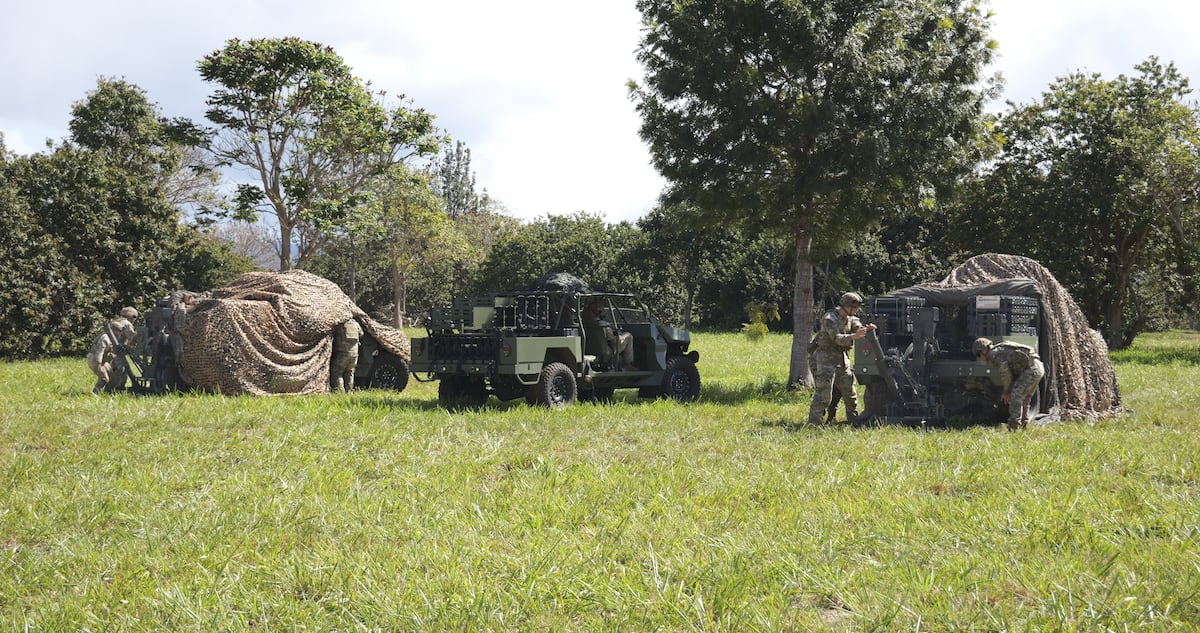
Powelson envisions future combat scenarios where air and ground robots are harmonized with traditional weaponry like artillery and missiles via artificial intelligence. This integrated approach will enhance tactical operations and operational objectives. He articulated, “Robotics should not be perceived merely as independent systems. Instead, they exist as interconnected frameworks capable of synergizing with conventional forces.”
Legislative Efforts and Barriers
The Warrior Right to Repair Initiative
Efforts to reform these restrictive policies gained traction in 2025, when Senator Elizabeth Warren and her colleagues sought to introduce the “Warrior Right to Repair” provision into the National Defense Authorization Act. This initiative aimed to mandate that defense contractors provide comprehensive access to repair materials—including parts, tools, and information—necessary for maintenance.
Despite these efforts, the provision did not make it into the final bill. Following the defeat, Warren reiterated her commitment to advocating for improved repair capabilities, asserting the necessity of leveraging existing Pentagon authorities to mandate such protections in contractual agreements.
The Path Forward
Addressing Intellectual Property Concerns
As the Pentagon pursues initiatives to diversify its defense industrial base by incorporating a broader array of companies, it must navigate complex issues surrounding intellectual property rights. William C. Greenwalt, a senior fellow at the American Enterprise Institute, underscored that this multifaceted challenge stems from a mixture of legal, political, and regulatory factors.
Combat Flexibility: Lessons from Adversaries
Russian Repair Strategies
Massicot pointed out that the Russian military has effectively streamlined repair processes within operational units, frequently deploying forward-based defense industry specialists to execute urgent repairs. This model poses strategic questions for U.S. forces regarding the need to re-evaluate current policies, suggesting increased forward deployment of skilled technicians as a potential solution.
Contractor Engagement on the Battlefield
U.S. defense contractors have adopted various approaches to enhance their engagement with military operations. Companies like Palantir, Anduril, and Shield AI have openly collaborated with Ukrainian operators, working on-site to address technical challenges. Conversely, more established contractors have been reticent, which has sometimes led to logistical complications in the field.
Easing Operational Constraints
In late 2024, the Biden administration took steps to relax restrictions that previously hindered defense contractors from offering support to Ukrainian forces more directly. Massicot asserted that increased collaboration and observance in conflict zones would yield invaluable insights for contractors regarding their technologies and systems.
She asserted, “Why do we still maintain these internal restrictions? The operational landscape and geopolitical factors have evolved significantly; we must take action to leverage this unique opportunity for real-time experimentation.”
Conclusion
The Pentagon’s existing repair policies significantly impede the agility of U.S. military operations, particularly concerning integration with advanced robotic systems. As the landscape of modern warfare continues to evolve, addressing these constraints through strategic reforms and enhanced contractor involvement will be crucial for maintaining a competitive edge on the battlefield.