U.S. Indo-Pacific Command Prioritizes Region Amid Strategic Shifts
Understanding Strategic Priorities
During a recent address, Adm. Samuel Paparo, the leader of the U.S. Indo-Pacific Command (INDOPACOM), emphasized that “the Indo-Pacific is the priority theater of the United States of America.” This assertion underscores the significance of the region as a cornerstone of U.S. defense strategy and reflects the concentration of U.S. military assets stationed in Hawaii, Guam, and other territories.
Homeland Defense and Strategic Concerns
While some narratives suggest that the Pentagon is pivoting towards a greater focus on homeland defense, Adm. Paparo expressed confidence that such adjustments will not diminish the imperative of Indo-Pacific operations. He stated:
“I’m not concerned. One, because the homeland is in the Pacific.”
Significantly, both Guam and the Northern Mariana Islands are U.S. territories situated in this strategic area, and Hawaii also plays a critical role. Moreover, the United States operates with several Pacific nations under the Compacts of Free Association (COFA). This arrangement obligates the U.S. to provide national defense to Palau, the Federated States of Micronesia, and the Republic of the Marshall Islands.
Four Critical Threats
Adm. Paparo articulated that “defense in depth” necessitates prioritizing the Indo-Pacific region, largely due to the traversal of four out of five key threats to U.S. security through its geography. Understanding these threats is imperative for creating effective countermeasures and ensuring regional stability.
Regional Reactions and Concerns
In the context of rising geopolitical tensions, the president of Palau, Surangel Whipps, pointed to a recent cyberattack attributed to China, which occurred shortly after renewing their COFA agreement in March 2024. When questioned about apprehensions regarding a potential inward turn of U.S. foreign policy, Whipps responded with a degree of optimism, suggesting that the current administration is seeking to recalibrate its support mechanisms for the Pacific Islands.
Official Statements on National Defense Strategy
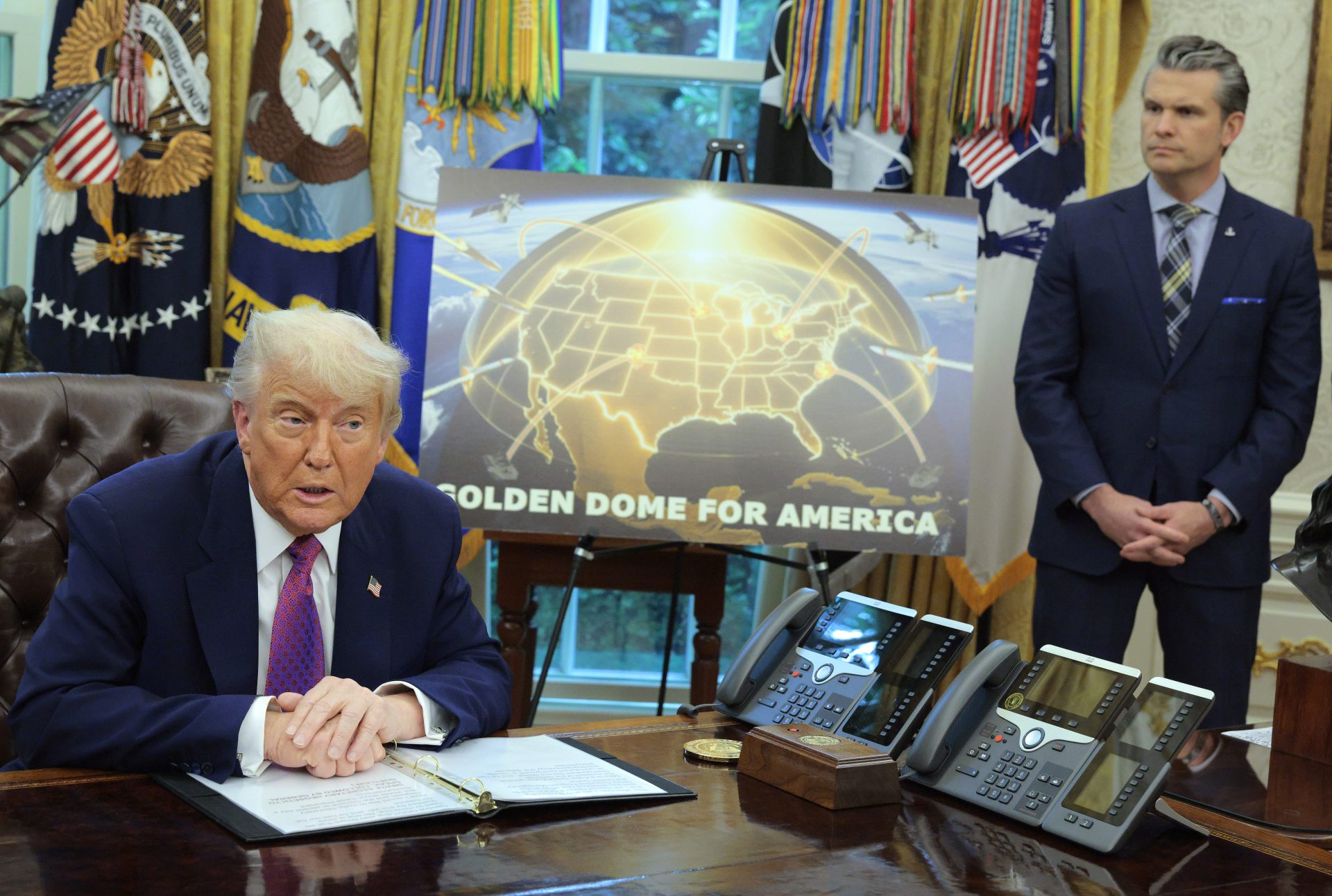
In alignment with these developments, Defense Secretary Pete Hegseth articulated that the Department of Defense is currently operating under an interim National Defense Strategy prioritizing homeland defense due to perceived misalignment in previous strategies. This shift aims to realign Defense Department objectives with emerging threats and regional dynamics.
In navigating the complexities of global security, the U.S. Indo-Pacific Command remains steadfast in its commitment to maintaining focus on the region, ensuring that evolving threats are met with robust and responsive military strategies. As such, collaboration with regional partners and an emphasis on collective security will be crucial in the approaching years.