Understanding the Cost of Modern Warfare
During the Civil War, President Abraham Lincoln elucidated a critical notion: the defining element of military success lies in understanding the “awful arithmetic” of war. This arithmetic focuses on the quantifiable costs associated with conflict—both in terms of human life and economic resources. Across various historical confrontations, this principle has remained steadfast.
However, the metrics of conflict are evolving at an unprecedented pace, particularly in the current geopolitical climate. Should the United States fail to recalibrate its strategic calculations to reflect this transformation, the repercussions could lead not only to significant losses but also pave the way for potential military failure.
Cost Imposition: A Historical Perspective
Cost imposition has been a foundational strategy for the U.S., especially during the Cold War. High-stakes initiatives, such as stealth technology and the Strategic Defense Initiative (commonly known as Star Wars), were not merely technological endeavors; they served as strategic deterrents, signaling to the Soviet Union that it could not sustain the economic burden of an arms race. This notion proved successful, ultimately leading to the conclusion of decades of rivalry.
Recent Illustrations of Cost Imposition
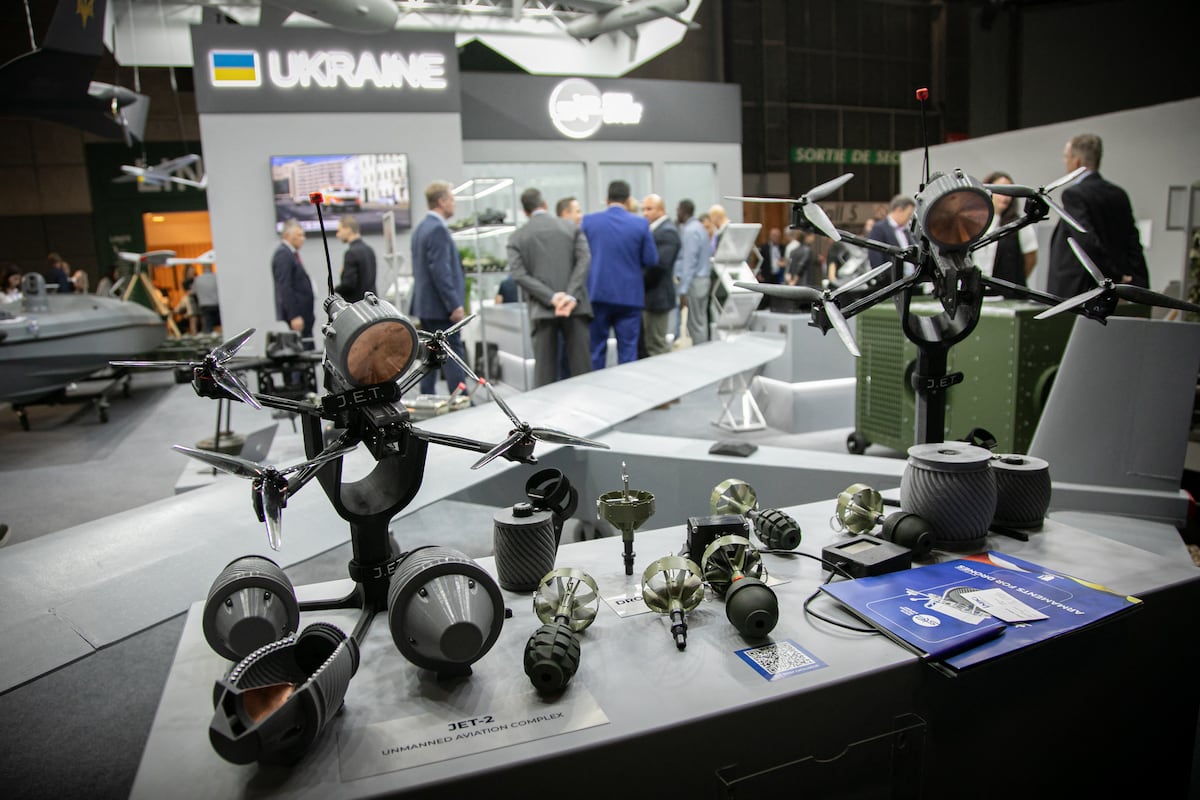
The principle of cost imposition reemerged in notable military operations over the past year. For instance, in Operation Spider’s Web, Ukraine effectively utilized low-cost drones, reported to be under $500 each, to inflict damage on high-value Russian bombers, a strategy that will likely degrade Russia’s military capabilities for years. Similarly, during Operation Rising Lion, affordable Israeli drones targeted and neutralized Iranian missile systems and radar installations, clearing the path for the destruction of facilities valued in the tens of billions.
In contrast, U.S. military operations still heavily depend on sophisticated but expensive capabilities to achieve superiority.
Financial Implications of U.S. Operations
The flagship U.S. mission of 2025, Operation Midnight Hammer, serves as a telling example of this expense. Estimates suggest that the operation cost approximately $196 million, considering B-2 bomber flight hours and Tomahawk missiles—each valued at roughly $1.87 million. This figure does not include the substantial initial investment in the B-2 bombers, each costing $2.1 billion, or the submarines employed in the operation.
Although damaging Iranian nuclear facilities may justify the steep expenditure, Operation Rough Rider starkly illuminates the cost-efficiency dilemma. The Pentagon reportedly allocated about $5 billion in strikes against Houthi forces aimed at securing Red Sea shipping routes, which resumed hostilities shortly thereafter.
Examining Current Caribbean Strategies
In the Caribbean, U.S. efforts target the Cartel de los Soles, recently labeled a foreign terrorist organization. This entity orchestrates a multi-billion-dollar cocaine trafficking network. To counter it, the U.S. has assembled a military fleet costing at least $40 billion. The aircraft carrier Ford alone commanded a development and construction budget totaling over $17 billion.
This considerable investment includes a diverse array of aircraft—83 in total—each with substantial operating costs. The carrier alone incurs approximately $8 million daily in operational expenses, with individual flight hours for specific aircraft soaring into the tens of thousands.
Analyzing Cost Disparities
Recent operations demonstrate pronounced mismatches in cost-efficiency. For example, the U.S. military has expended considerable resources destroying small vessels, with the operational costs obscenely disproportionate to the cartel’s expenses. While the cartel’s boats may be valued at around $400,000 each, the resources deployed by the U.S. dwarf these costs exponentially. The U.S. spent upwards of 5,000 times more in naval resources than the cartel received from these operations, showcasing an unsustainable strategic approach.
Emerging Technologies and Costs
The landscape of warfare is increasingly defined by low-cost technologies. For instance, inexpensive drones utilized by adversaries stand in stark opposition to the exorbitant defensive measures undertaken by NATO forces. Recent engagements illustrate that a small financial outlay from hostile parties can yield disproportionately high operational costs for established militaries. This is especially important to consider as technological advances continue to escalate the arms race.
Strategic Recommendations for Adaptation
As the battlefield continues to evolve, the U.S. must redefine its approach to military procurement and strategic investments. Current paradigms starkly contrast with projected needs. For instance, while Ukraine aims to produce over four million drones annually, U.S. plans target significantly fewer numbers, illustrating a critical gap in preparedness.
This “losing equation” necessitates immediate reevaluation of procurement strategies within the Department of Defense. If the U.S. fails to master the new arithmetic of modern warfare, it risks not only financial insolvency but also the ability to assert its military power effectively in future conflicts.