The Evolution of Drone Warfare in the U.S. Army
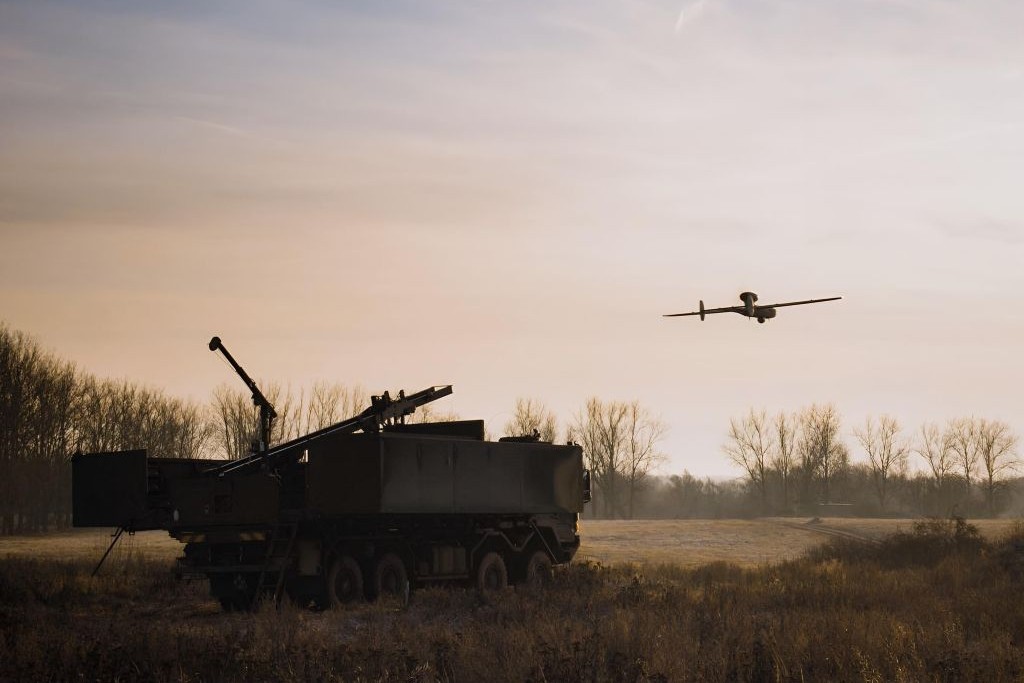
Russia’s recent invasion of Ukraine has acted as a lightning rod for the discussion around modern military tactics, particularly emphasizing the urgent need for the U.S. Army to expand its arsenal of unmanned systems. As battlefield scenarios evolve, there’s a clear shift toward integrating simpler, more versatile unmanned aerial vehicles (UAVs) and systems designed to counter these drones—a reflection of the changing nature of warfare.
The Call for Investment in Unmanned Systems
General Jim Rainey, the head of Army Futures Command, articulated this need succinctly at the Association of the United States Army’s Global Force Symposium. Advocating for both cutting-edge technology and cost-effective solutions, he remarked, “When America brings its best technology-wise, it’s exquisite, and we should keep doing that. At the same time, we should buy cheap mass.” He highlighted how practical resources like 30mm rounds can effectively neutralize UAVs, even if it takes multiple rounds to do so.
Innovative Solutions on the Horizon
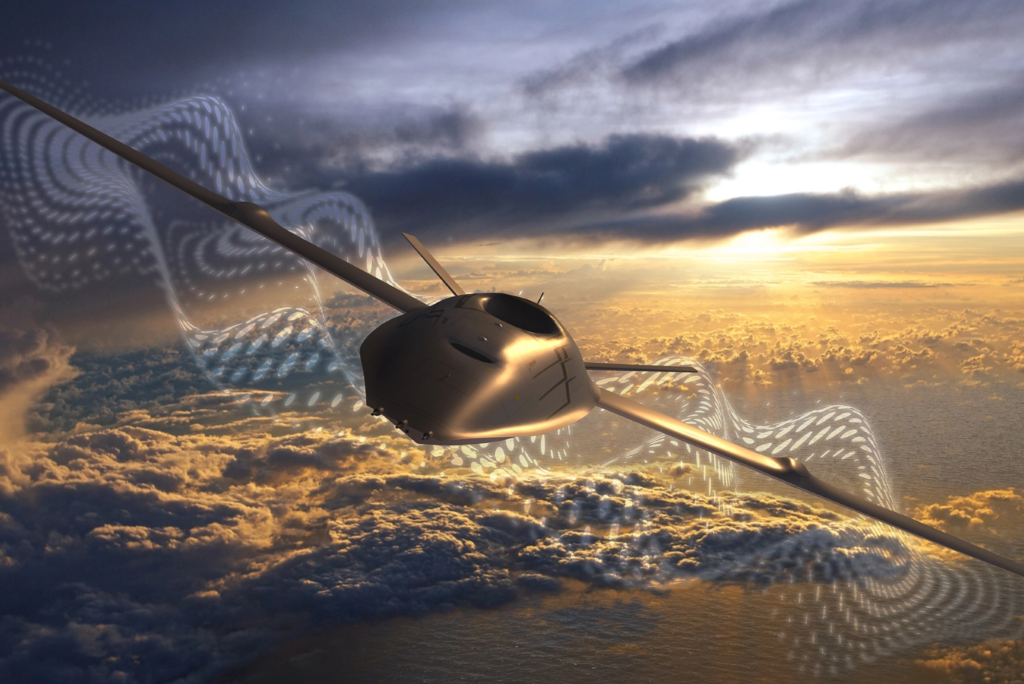
One of the standout innovations in this space is the Hellhound S3, a 3D-printed UAV developed through the Army’s Low Altitude Stalking and Strike Ordnance (LASSO) program. Sheila Cummings, CEO of Cummings Aerospace, underscored its unique design, stating it functions like a fighter jet rather than the typical quadcopter most are familiar with. This turbojet-powered drone can carry various payloads, allowing for both precision strikes and critical reconnaissance missions.
During its latest trial, the Hellhound S3 achieved impressive speeds of 384 miles per hour, showcasing its capabilities during the Army Expeditionary Warrior Experiment. “The idea is one vehicle, multiple payloads, giving the soldier the maximum flexibility to support whatever the mission needs are in the battlefield,” Cummings explained. Weighing less than 25 pounds, this compact drone can also have its payloads swapped in less than five minutes, enabling rapid response to changing battlefield conditions.
On-Demand Manufacturing Capabilities
One of the most significant advantages of this drone is its 3D-printed construction. Cummings described a future scenario where military operations could be supported by a shipping container equipped with 3D printers stationed at forward operating bases. This capability would allow soldiers to print replacement parts on-site, drastically reducing logistical burdens and increasing operational efficiency.
Countering Drone Swarms
On the flip side of drone warfare, the need to counter drone swarms—an emerging tactic seen in the conflict in Ukraine—has become increasingly critical. General Rainey’s acknowledgment of the ongoing challenges posed by swarms of drones has prompted innovations such as Leonardo DRS’s developments in laser technology for counter-drone operations.
Ed House, a senior director at Leonardo DRS, stated, “We cannot continue to shoot, you know, a $1,500 drone with a $100,000 missile.” The company is actively developing a laser system designed to be mounted on a Stryker vehicle. The Blue Halo 26kW laser recently underwent successful tests, demonstrating its capability to simultaneously engage drones while engaging ground targets with a 7.62mm machine gun.
Cutting Costs and Improving Efficiency
The approach to equipping armies with counter-drone capabilities also focuses on cost efficiency. House shared insights on performance, indicating that their laser could operate for extended durations without overheating and could engage targets quickly and with precision. This integration of laser technology alongside conventional weapons aims to ensure that each military engagement is both effective and economically sound.
Upcoming Trials and the Future of Warfare
The ongoing advancements in drone technology coincide with upcoming field tests, including a live-fire exercise scheduled for June at Fort Sill, Oklahoma. Assessments will continue to shape how these innovative systems can reshape the battlefield landscape, responding rapidly and effectively to threats in real time.
As military strategies and technologies continue to evolve, the integration of innovative UAV designs and counter-drone technologies is set to define the next era of warfare, drawing lessons from contemporary conflicts to ensure that the U.S. Army is prepared for the challenges ahead.