Advancing Space Superiority: The Imperative of the SWORD Initiative
The United States Space Force is intensifying its commitment to establishing and maintaining supremacy in the space domain with the development of its Space Warfighter Operational Readiness Domain (SWORD). This innovative program serves as a fundamental component in the increasing complexity of space operations, particularly as geopolitical tensions escalate and technological advancements proliferate.
Introducing SWORD: A Tailored Training Ecosystem
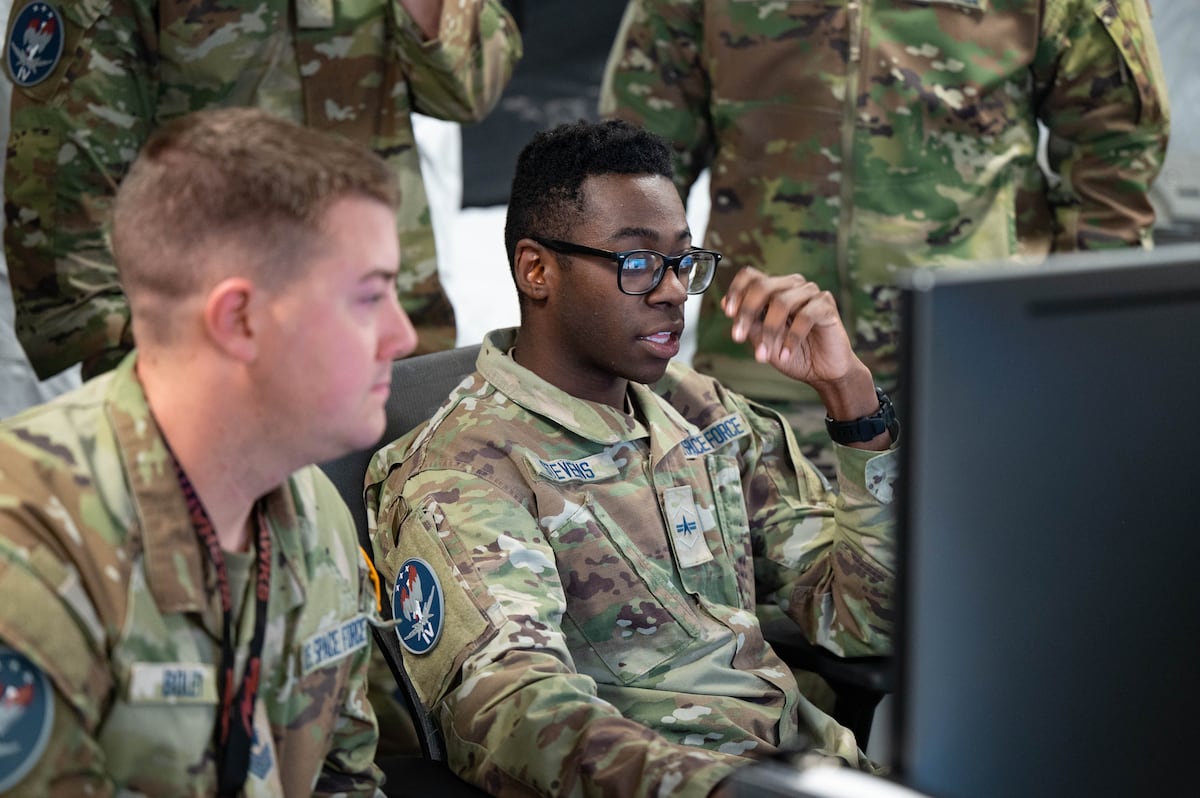
SWORD epitomizes the Space Force’s vision for a strategic training platform capable of simulating various contested space scenarios. This cloud-enabled digital environment provides a robust framework for operational training, offering realistic replicated environments where service members can hone their skills without the need for dependency on actual space assets.
- Key Features of SWORD:
- Comprehensive Simulations: The platform encompasses operational aspects such as orbital mechanics, electronic warfare capabilities, cyber operations, and adversarial strategies.
- Scalability: Initially demonstrated at large-scale exercises like Space Flag, SWORD is poised for enterprise-wide deployment, accommodating a growing number of personnel in challenging training environments.
Colonel Corey Klopstein, who oversees the program as the executive officer for Operational Test and Training Infrastructure, articulated the initiative’s focus on creating an immersive and adaptable training experience. He emphasized that the development process is inherently iterative, grounded in continuous feedback from users and collaborative efforts with industry partners.
Ensuring Realism Through Validation
The fidelity of SWORD’s training environment is pivotal to its effectiveness. To achieve true realism, the system integrates advanced validation techniques that include:
- Real-time Updates: Digital models are routinely aligned with data from hardware-in-the-loop setups, enriching simulations with actual hardware components.
- Cross-Referencing with Live Missions: Training scenarios are refined using information gathered from active satellites and ongoing missions, ensuring that practitioners receive the most accurate training experience.
Klopstein underscored the importance of not solely relying on synthetic data. The dynamic nature of modern adversarial tactics necessitates a rigorous validation mechanism to maintain a cutting-edge training landscape.
Swift Adaptation to Emerging Threats
As the spectrum of threats evolves, the need for rapid integration of new adversarial capabilities into training modules becomes paramount. The Operational Test and Training Infrastructure is committed to providing timely updates to SWORD’s threat emulations:
- Collaboration with Intelligence: Close partnerships with intelligence agencies, including the National Space Intelligence Center, facilitate the swift incorporation of current threat dynamics into SWORD.
- Focus on Red Teaming: By continuously updating threat emulations, the Space Force ensures that guardians train under conditions that closely mirror real-world challenges.
Klopstein’s engagement with intelligence units emphasizes the foundational role of timely intelligence in shaping a responsive training regimen.
Transitioning to a Distributed Training Model
In alignment with the broader strategic vision, SWORD seeks to transition to a decentralized training model built on a cloud-based infrastructure. This evolution would empower guardians to conduct exercises from diverse locations rather than being confined to centralized facilities.
- Future Vision: The transition aims to foster what Klopstein referred to as “backyard ranges,” wherein personnel can utilize synthetic environments as a primary training resource. This flexibility not only enhances accessibility but also encourages ongoing skill development and readiness among service members.
The agile acquisition cycles, spanning 10 to 12 months, are designed to address immediate training needs while laying the groundwork for long-term advancements. A planned cloud pathfinder for fiscal year 2027 plays a pivotal role in this strategy, responding to evolving training requirements within the Space Force.
Conclusion: The Strategic Defense Imperative
The SWORD program marks a critical investment in preparing U.S. guardians for the complexities of modern space warfare. As the landscape shifts towards a more integrated and technologically advanced operational theater, initiatives like SWORD will be instrumental in ensuring that the Space Force is not only ready to meet current challenges but also anticipates future uncertainties. The commitment to realism, speed, and adaptability remains essential as the Space Force charts its course through an ever-changing domain.