Advancements in Air Quality Monitoring: The Sentinel-4 Mission
Launch and Purpose
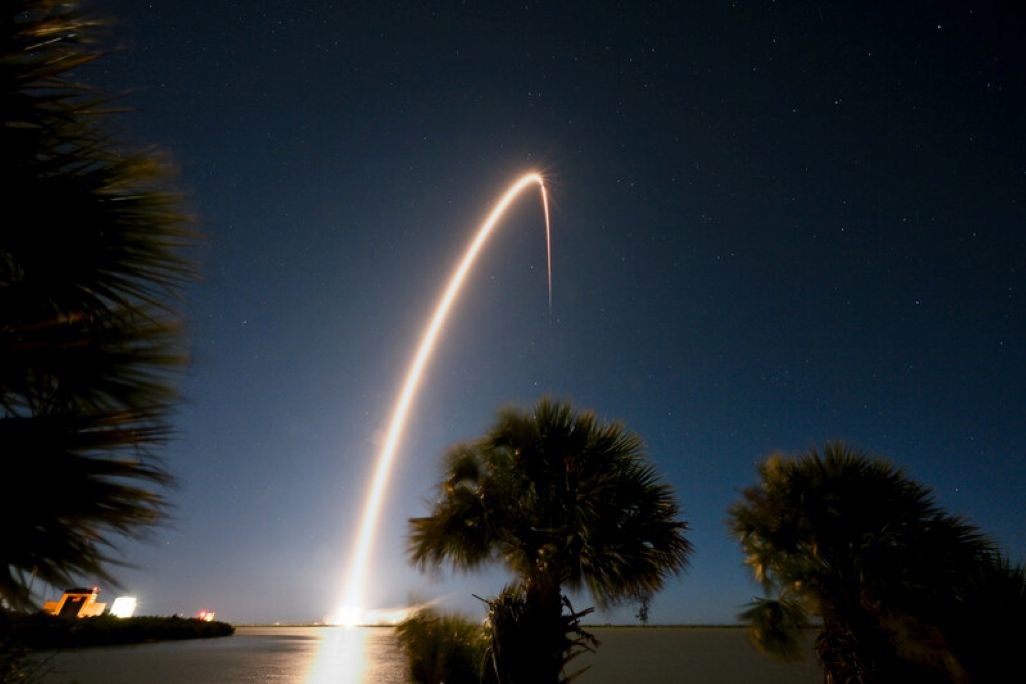
On July 1, 2025, the Copernicus Sentinel-4 satellite was successfully launched from Cape Canaveral, entering geostationary orbit. This mission represents a significant milestone in the European Union’s Earth Observation initiatives by specifically focusing on air quality monitoring over the European continent. Such capabilities are crucial not only for environmental policy formulation but also for enhancing public health and safety.
Technical Specifications
Equipped with an advanced Ultraviolet Visible Near-infrared (UVN) spectrometer, Sentinel-4 is designed to monitor critical atmospheric pollutants with precision. Its comprehensive suite of sensors allows for the identification and assessment of:
- Ozone (O₃)
- Nitrogen dioxide (NO₂)
- Formaldehyde (HCHO)
- Sulfur dioxide (SO₂)
- Aerosols
When fully optimized, this satellite will provide hourly data on the atmospheric constituents mentioned above. Such timely information is invaluable for stakeholders, from environmental researchers to policymakers, enabling targeted interventions to mitigate pollution and enhance air quality.
Strategic Implications
The data produced by Sentinel-4 will significantly bolster the Copernicus Atmosphere Monitoring Service (CAMS), which acts as a vital resource for scientists and regulatory agencies across Europe. This satellite’s insights will facilitate:
- Informed Policy Formulation: Enhancing compliance with regulations such as the Ambient Air Quality Directive.
- Pollution Control: Direct contributions to the Zero Pollution Action Plan that aims for cleaner air across urban settings.
- Interagency Collaboration: Providing critical data to government bodies and non-governmental organizations working to improve public health through air quality improvements.
European Unity in Space Initiatives
As part of the broader EU Space Programme, the Copernicus initiative embodies a collaborative approach to environmental monitoring and management. The Sentinel-4 mission illustrates how advanced technology can serve the dual purpose of protecting the environment and supporting human health.
This endeavor not only showcases the EU’s commitment to sustainability but also positions Europe as a leader in leveraging spatial technologies for public welfare.
For further details about the Sentinel-4 mission and its impact on European air quality assessments, visit the Copernicus website.
Final Thoughts
The significance of the Sentinel-4 mission extends beyond its scientific achievements. By fostering a comprehensive understanding of air pollutants, it impacts military operations, public health responses, and urban planning initiatives across Europe. As such, Sentinel-4 epitomizes a strategic advancement in the nexus of environmental stewardship and national security, paving the way for a healthier and more resilient future.