
Advancements in Space Operations: X-37B’s Upcoming Mission
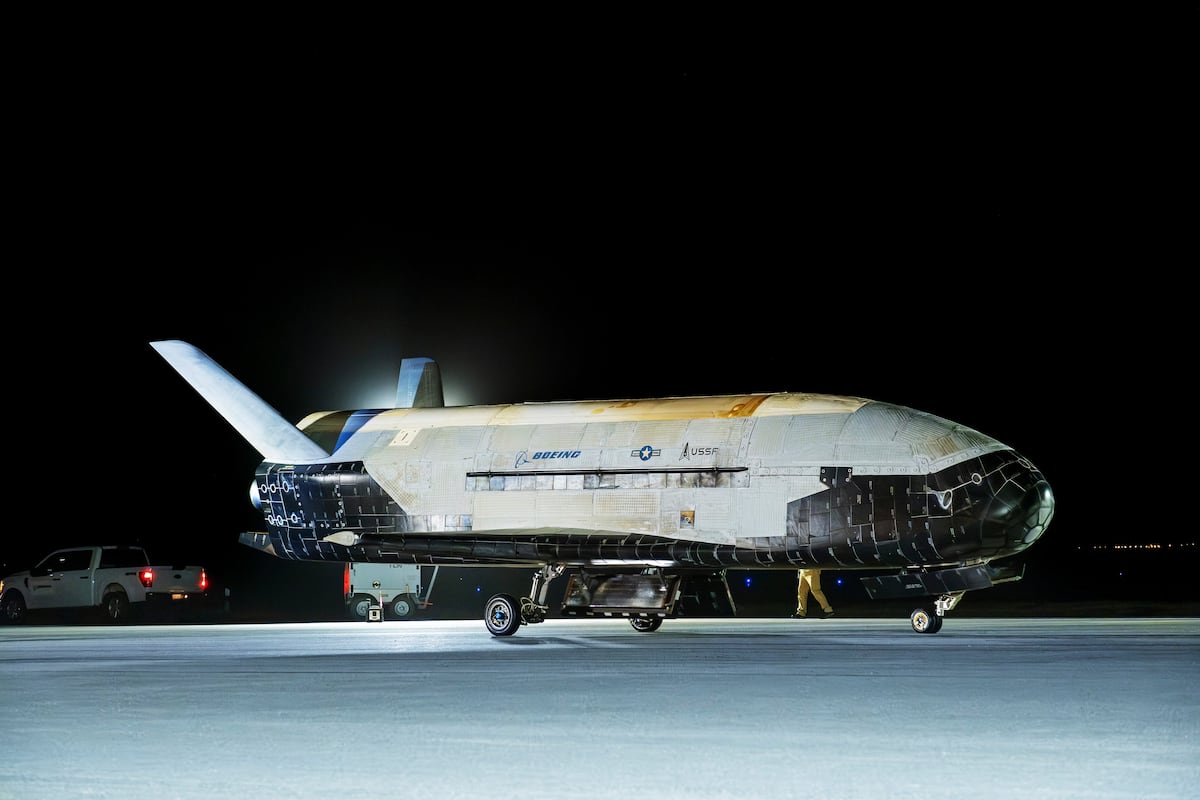
The United States Space Force is poised for the launch of the X-37B spaceplane on its eighth mission next month. This iteration concentrates on pioneering experiments aimed at enhancing space-based communications and advancing quantum sensing technologies.
Mission Focus and Objectives
The forthcoming mission emphasizes two primary experimental areas:
-
Space-based Communications: This involves collaboration with commercial satellite networks operating in low Earth orbit, approximately 1,200 miles from the Earth’s surface. The goal is to demonstrate laser communication capabilities that enable high-volume data transmission with increased security compared to conventional radio frequencies.
-
Quantum Sensing Technologies: The mission will utilize a quantum inertial sensor, recognized as the most advanced of its kind used in a space environment to date. This sensor is intended to facilitate navigation in orbit without reliance on GPS or other satellite constellations, thereby enhancing operational resilience amid potential threats.
The Space Force articulates that utilizing proliferated relay networks effectively mitigates single points of failure within U.S. space architectures, thereby increasing overall system resilience.
Strategic Importance
According to General Chance Saltzman, Chief of Space Operations, this mission is a part of a larger initiative within the Space Force aimed at fortifying the operational capacity of the joint military forces. In a series of communications shared via social media, General Saltzman underscored that the goal is to ensure the military is “more interconnected, more resilient, and prepared to face any adversities.” This underscores the dual mission of securing U.S. interests in space while simultaneously demonstrating advancing technological capabilities.
Historical Context and Operational Record
Since its inaugural flight in 2010, the X-37B has served as an experimental platform for both the Department of Defense and NASA. While the spacecraft is not classified as an operational vehicle, it has been integral in conducting tests on various operational concepts and technology demonstrations. Much of the research conducted on the X-37B remains classified; however, the Space Force has increasingly been transparent about the vehicle’s specific mission objectives.
Key Historical Highlights:
- The previous mission lasted an impressive 434 days, concluding in March of this year.
- Notable achievements included successful aerobraking maneuvers that allowed the spaceplane to adjust its orbital path using minimal fuel resources, illustrating the X-37B’s operational versatility.
Collaborative Operational Framework
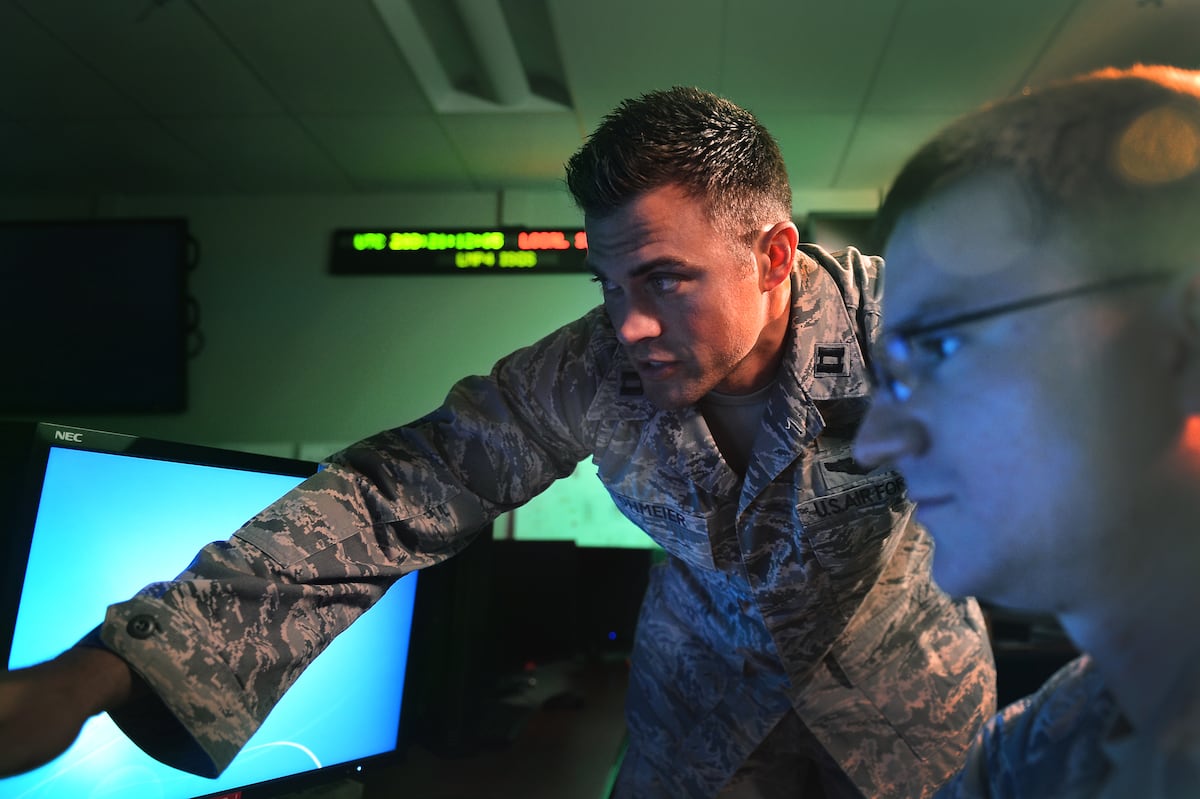
The Fifth Space Operations Squadron, stationed at Joint Base Anacostia-Bolling in Washington, D.C., oversees X-37B operations in collaboration with the Space Rapid Capabilities Office. This partnership highlights the integrated approach necessary to push the boundaries of space technology and operational readiness.
Looking Ahead
While the Space Force has not disclosed the anticipated duration of the upcoming mission or detailed additional experiments, the implications of these initiatives extend far beyond mere technological showcases. The focus on quantum navigation sensors, for instance, positions the U.S. to maintain a significant advantage in both current and future military operations, particularly in environments where GPS capabilities may be compromised.
The X-37B mission not only represents a key element in the United States’ strategic posture in space but also serves as a critical testbed for technologies that may redefine military operations in increasingly contested domains. As we witness these technological advancements, the broader implications for national security and international space policy will continue to garner attention from defense experts and policymakers alike.