The Resurgence of the Monroe Doctrine: Implications of Regime Change in Venezuela
The recent removal of Venezuelan President Nicolás Maduro has brought the Monroe Doctrine back into focus within U.S. foreign policy discourse. This historic policy, articulated in 1823 by President James Monroe, has been reinterpreted under the Trump administration, emphasizing American dominance in the Western Hemisphere.
Historical Context of the Monroe Doctrine
Originally introduced by Monroe during his congressional address, the doctrine aimed to deter European intervention in the Americas. The U.S.’s intent to protect newly independent Latin American nations became a cornerstone of American diplomatic strategy. Monroe and his secretary of state, John Quincy Adams, expressed deep concerns about European influences in the region, characterizing these interactions as potential threats to U.S. sovereignty.
Evolution of the Doctrine
The Monroe Doctrine has been invoked multiple times throughout U.S. history to justify various interventions:
- Manifest Destiny: By the mid-19th century, this ideology merged with the Monroe Doctrine to legitimize U.S. expansion across North America.
- Imperial Actions: The doctrine acquired a more aggressive character under Theodore Roosevelt, who posited that the U.S. had a responsibility to intervene in cases of “chronic wrongdoing.”
- Cold War Era: The doctrine served as a rationale for U.S. actions in Latin America and beyond, often framed within the context of anti-communism and the protection of economic interests.
The Trump Administration’s Approach
In the current geopolitical landscape, President Trump has explicitly resurrected the Monroe Doctrine, dubbing it the “Trump Corollary.” His rhetoric underscores a proactive stance towards perceived threats from foreign powers.
Recent Developments in Venezuela
The extraction of Maduro and his subsequent extradition to the U.S. demonstrates a marked shift in American policy:
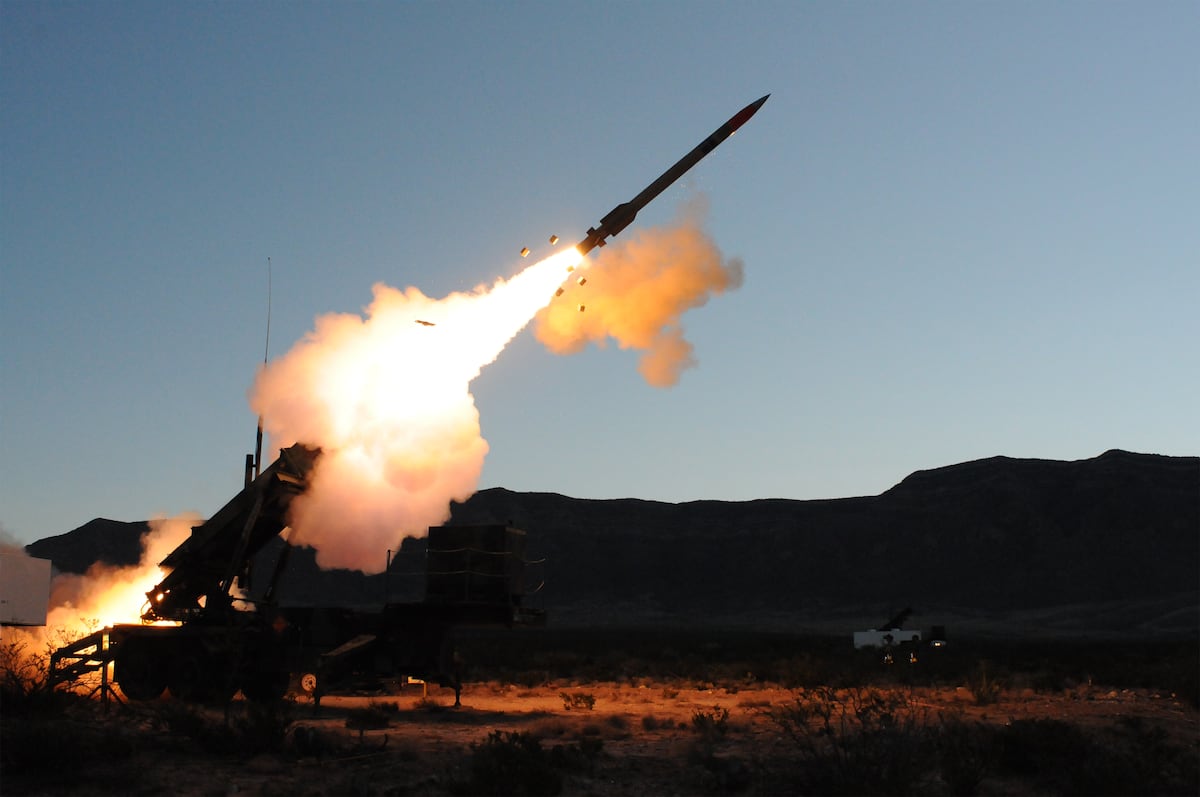
- Strategic Positioning: Maduro’s government had been perceived as increasingly aligned with adversarial nations and acquiring threatening military capabilities.
- Resource Considerations: Trump has emphasized the necessity of protecting Venezuela’s significant energy reserves, framing this move as essential not just for regional stability but also for U.S. energy security.
Policy Implications
This reassertion of the Monroe Doctrine signals several key shifts in U.S. foreign policy priorities:
- Geopolitical Realignment: The U.S. aims to reestablish its influence in the hemisphere, limiting the scope for non-regional powers to assert control over strategically vital assets.
- Security Framework: The National Security Strategy highlights a commitment to deter foreign dominance, thereby reinforcing American hegemony.
Strategic Objectives
- Preventing External Influence: The U.S. intends to maintain a vigilant stance against foreign powers attempting to establish a foothold in Latin America.
- Sustaining Stability: As articulated by Trump, there is an urgent desire to foster stability in nearby nations to preclude the emergence of threats to U.S. interests.
International and Domestic Reactions
Maduro’s ousting has garnered mixed responses:
- Accusations of Imperialism: Maduro’s camp has denounced what they perceive as imperialist actions, positing that such interventions undermine national sovereignty.
- Warnings Against Normalization: Critics argue that this case sets a dangerous precedent for international relations, with concerns that it could destabilize other nations resistant to U.S. influence.
Conclusion
The revitalization of the Monroe Doctrine under the Trump administration represents a critical juncture in U.S. foreign policy, with implications that resonate well beyond the borders of Venezuela. By underscoring the importance of energy resources and regional stability, the U.S. seeks to recalibrate its strategic objectives while navigating a complex and evolving global landscape. The implications of these actions warrant close observation, as the future trajectory of U.S.-Latin America relations hinges on the administration’s ability to balance interventionist impulses with the need for cooperative international governance.