The Indispensable Role of Landpower in the Indo-Pacific Security Landscape
The narrative surrounding the U.S. Army’s involvement in the Indo-Pacific region often emerges as one of diminishment, mischaracterizing its critical role in a multifaceted security environment. The assertion that the Army is on a “dead-end ride to Asia” fails to capture the complexities of deterrence that must be addressed across multiple domains—sea, air, land, space, and cyber. This understanding is especially relevant when considering recent military engagements, such as the extraordinary operations conducted in Iran, which highlight the integrated nature of modern combat operations.
Misguided Perspectives: A Risk to Joint Operations
Discussions about the potential for one military branch to grow "at the expense of others" not only disregard the strategic interdependencies within the joint force but also threaten to fracture the collaborative framework necessary for contemporary military effectiveness. The concept of "siloed" services is dangerously outdated. In a landscape where adversaries exploit operational gaps—particularly in gray-zone conflicts—the ability to mitigate such vulnerabilities relies on a holistic approach that includes robust land forces.
The Existential Challenge of the Indo-Pacific
In the current geopolitical landscape, fraught with the specter of large-scale conflict, it is essential to recognize that the Chinese Communist Party (CCP) utilizes its People’s Liberation Army (PLA) as its primary lever of coercion, aiming for strategic objectives like a possible invasion of Taiwan. While the Navy and Rocket Forces contribute vital support, the PLA Army remains the cornerstone of any ground offensive, reinforcing the notion that land power serves as the operational center of gravity within this theater.
Integrated Deterrence: A Multidomain Imperative
Achieving effective deterrence in the Indo-Pacific cannot rest solely on advanced maritime or aerial assets. As emphasized in recent testimonies to the House Select Committee on the Chinese Communist Party, our extensive investments in naval and air capabilities must be matched with a focus on land-based strategies where conflicts ultimately are decided.
- Land forces are essential for:
- Securing and holding terrain.
- Conducting maneuver operations.
- Stabilizing populations in contested areas.
If the PLA Army cannot deploy effectively, the CCP’s grand strategy falters. Thus, it is critical to maintain a credible deterrent posture through a well-equipped, forward-deployed ground presence that includes a spectrum of transformative capabilities.
The Crucial Role of Ground-Based Fires
As articulated by Admiral Samuel Paparo, commander of U.S. Indo-Pacific Command, ground-based fires are increasingly recognized as significant force multipliers. This statement underscores several indispensable elements for effective deterrence:
- Joint logistics hubs.
- Integrated air and missile defense systems.
- Resilient communication and targeting networks.
- Advanced technologies, including artificial intelligence and autonomous systems.
The complexity of countering China’s anti-access/area-denial (A2/AD) strategy demands a dynamic and versatile ground force capable of executing various critical tasks:
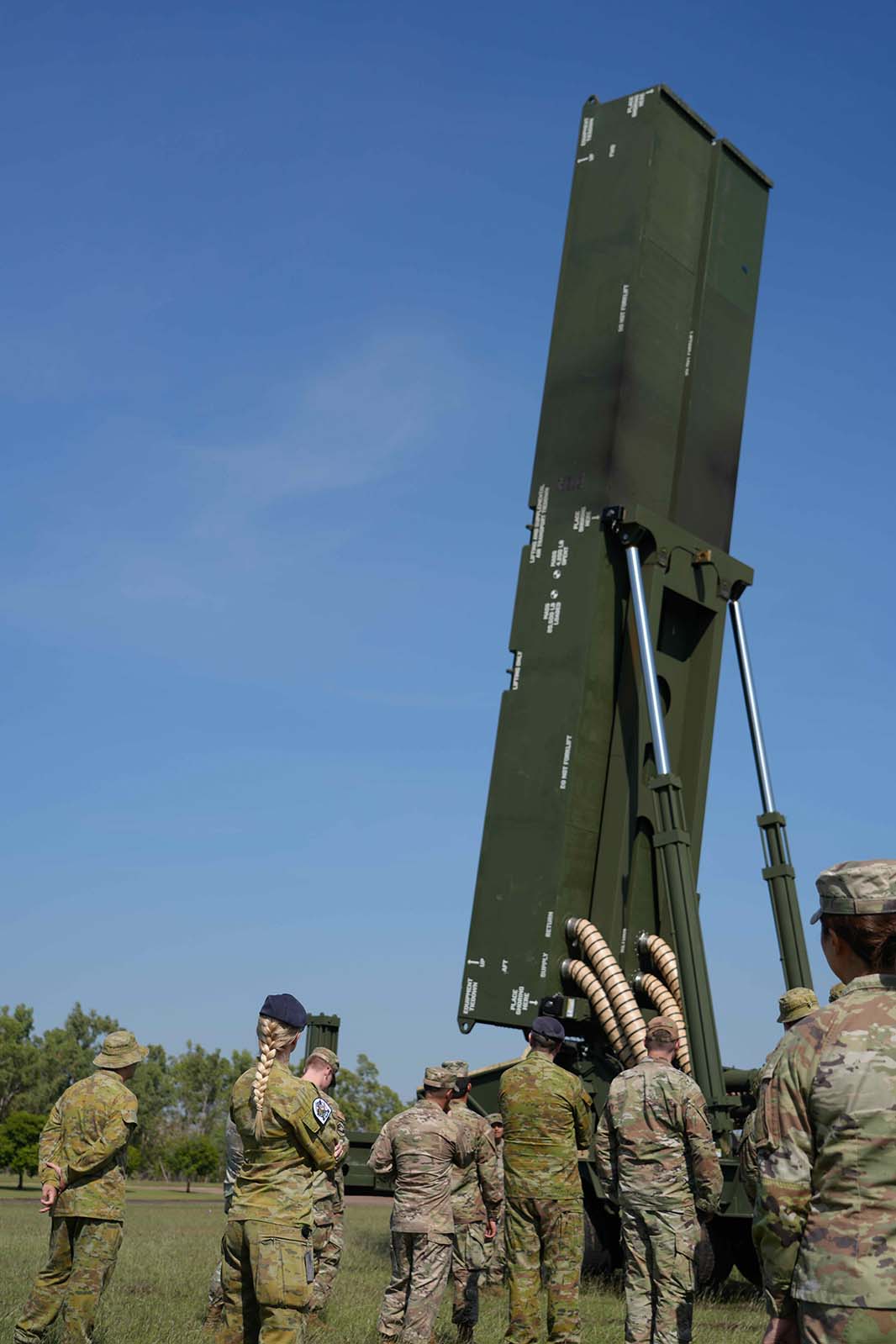
- Mobile and survivable land-based fires that can be rapidly reloaded.
- Engineering and logistical capabilities essential for sustaining extended joint campaigns.
- Terrestrial sensors for accurate joint targeting.
- A multi-layered command and control structure to secure key terrain effectively.
Expanding Army Footprint in the Indo-Pacific
Critics often claim that the Army lacks operational access outside of traditional bases in Northeast Asia, but the evidence contradicts this narrative. Since 2021, there has been a notable increase in Army activities across Oceania, Southeast Asia, and South Asia:
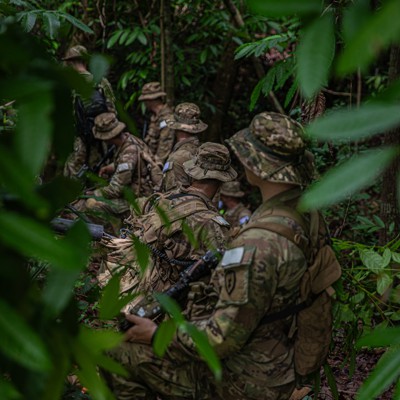
- Live-fire exercises conducted in multiple locations, including Palau and the Philippines.
- Multinational maneuvers demonstrating joint capabilities in Australia.
- Deployment of anti-ship systems, such as the Typhon, showcasing readiness and deterrent posture.
These developments reflect not just a growth in presence but a concrete readiness to engage with regional partners and bolster our collective security architecture.
Strengthening Strategic Partnerships
The synergy between U.S. land forces and partner militaries is a pivotal component of the Indo-Pacific security framework, consisting of nations like India, Japan, South Korea, and Taiwan. These allies contribute to a dense network of strategic landpower that is fundamental to America’s hub-and-spoke model of security cooperation.
Potential Collaboration:
- Integration of joint commands.
- Continuous training and exercises enhancing interoperability.
- Establishing multinational coalitions for response readiness.
Reaffirming the Army’s Legacy
Recognizing the Army’s historical contributions to securing peace and stability cannot be overlooked. From four significant Indo-Pacific conflicts to contemporary engagements, the Army’s transformation aligns with lessons learned from both past and present conflicts. To maximize its efficacy, Army leadership must:
- Develop a comprehensive strategy that emphasizes joint interdependencies and the importance of land.
- Foster relationships that enhance access and reinforce alliances through ongoing training and presence.
- Elevate the Army’s legacy, stressing its enduring sacrifices and critical role in regional stability.
Confronting adversaries like the PLA, which boasts the highest active land forces in the world, necessitates a multi-domain strategy that resists the allure of any single military branch. The integration of diverse military capabilities, including robust landpower, is non-negotiable for a secure and stable Indo-Pacific. Preparing a capable and ready U.S. Army, integrated with allies, remains essential to safeguarding long-term freedom and prosperity.