
Transition of the NT-43A Radar Cross-Section Measurement Platform: Implications for Space and Stealth Technology
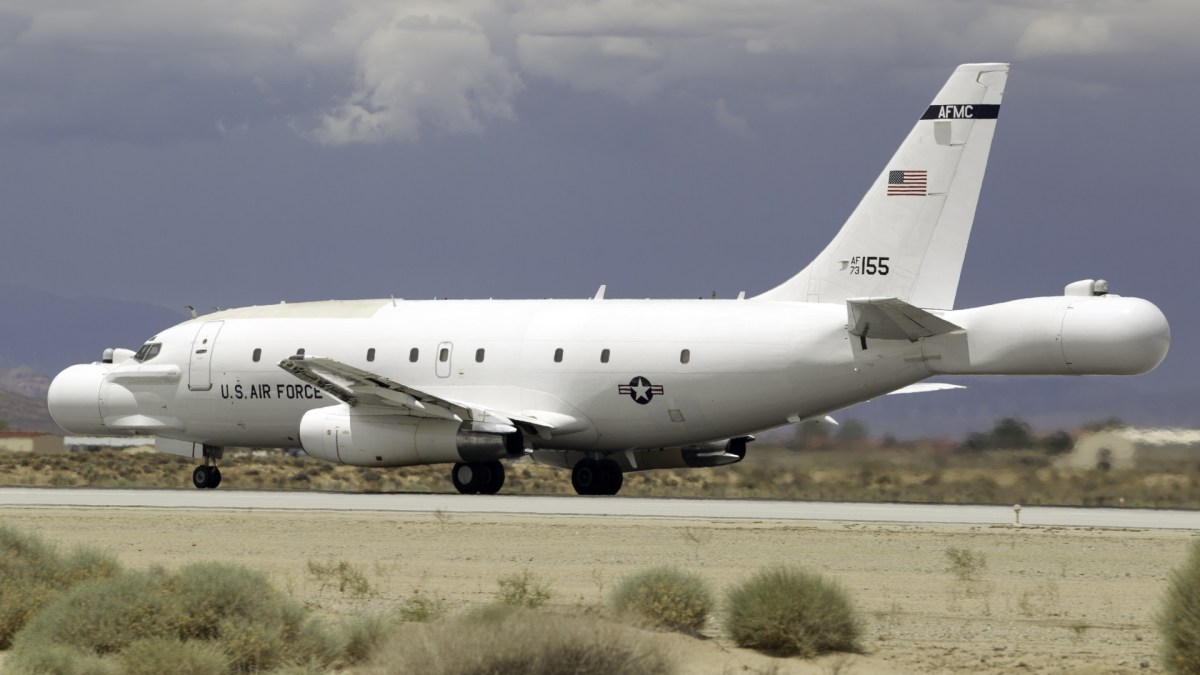
The U.S. Air Force’s NT-43A radar cross-section measurement platform, a highly classified asset commonly referred to by its callsign RAT55, is currently aiding NASA’s Artemis II mission. This development indicates a transformative phase in the aircraft’s operational role, shifting from traditional military support to potential involvement in critical space endeavors.
Strategic Insight
An Air Force spokesperson noted, “After decades of service across different aviation roles, the NT-43A Radar Test Bed is commencing the next chapter of its utilization. The upcoming Artemis II launch will serve as an opportunity for data collection that continues its legacy in supporting vital and technologically advanced U.S. capabilities.”
Unprecedented Transparency
The NT-43A’s operational history has been characterized by secrecy, making this public statement a significant deviation from the norm. Typically stationed at Tonopah Test Range Airport in Nevada—a location renowned for housing covert military operations—the NT-43A has maintained a low profile, rarely making public appearances. Its sightings have generally been restricted to military testing hubs such as Area 51 and Edwards Air Force Base in California.
Technical Specifications
The NT-43A is recognized for its distinctive features, including:
- Modified Airframe: Derived from a T-43A trainer, itself a militarized version of the Boeing 737-200.
- Advanced Equipment: The aircraft is equipped with dual radar arrays that facilitate precise measurements of the radar signatures of nearby stealth aircraft. This capability is essential for validating the effectiveness of low-observable materials and system designs.
- Multi-Sensor Integration: In addition to radar, the NT-43A incorporates electro-optical and infrared sensors, enhancing its observational capabilities during flight.
The strategic use of mid-air signature data collection offers myriad advantages over ground-based measurements, particularly in observing targets from multiple angles.
Future Utilization and Potential
As the NT-43A makes its transition into new operational roles, it potentially benefits various military and civilian programs:
- Aerospace Support: Its involvement in launching and recovering spacecraft could become crucial, considering the growing emphasis on space exploration and commercial aerospace.
- Testing Roles: Beyond aerospace applications, the aircraft may be repurposed for other military testing initiatives. This could be vital in stages of R&D for emerging technologies, particularly in stealth and radar evasion strategies.
Replacement Considerations
Speculation surrounding a successor to the NT-43A continues, particularly as its modifications age. First-generation 737 models are increasingly rare, heightening challenges related to maintenance and operational effectiveness. The exploration of advanced replacements for RAT55 will be imperative, especially in light of burgeoning programs aimed at developing Collaborative Combat Aircraft drones, poised to redefine aerial combat capabilities.
Monitoring Developments
As the NT-43A emerges into a more prominent operational stance, defense analysts will be keenly observing how its capabilities may shape future military technologies and strategic frameworks. The aircraft’s potential role in both aerospace and defense spheres could illuminate new avenues for leveraging stealth and radar technologies in conjunction with space operations.
This evolution represents a noteworthy shift that defense professionals, policymakers, and technology developers should closely monitor for implications on future military strategy and aerospace support systems.