L3Harris Technologies and the Restructuring of U.S. Rocket Motor Production
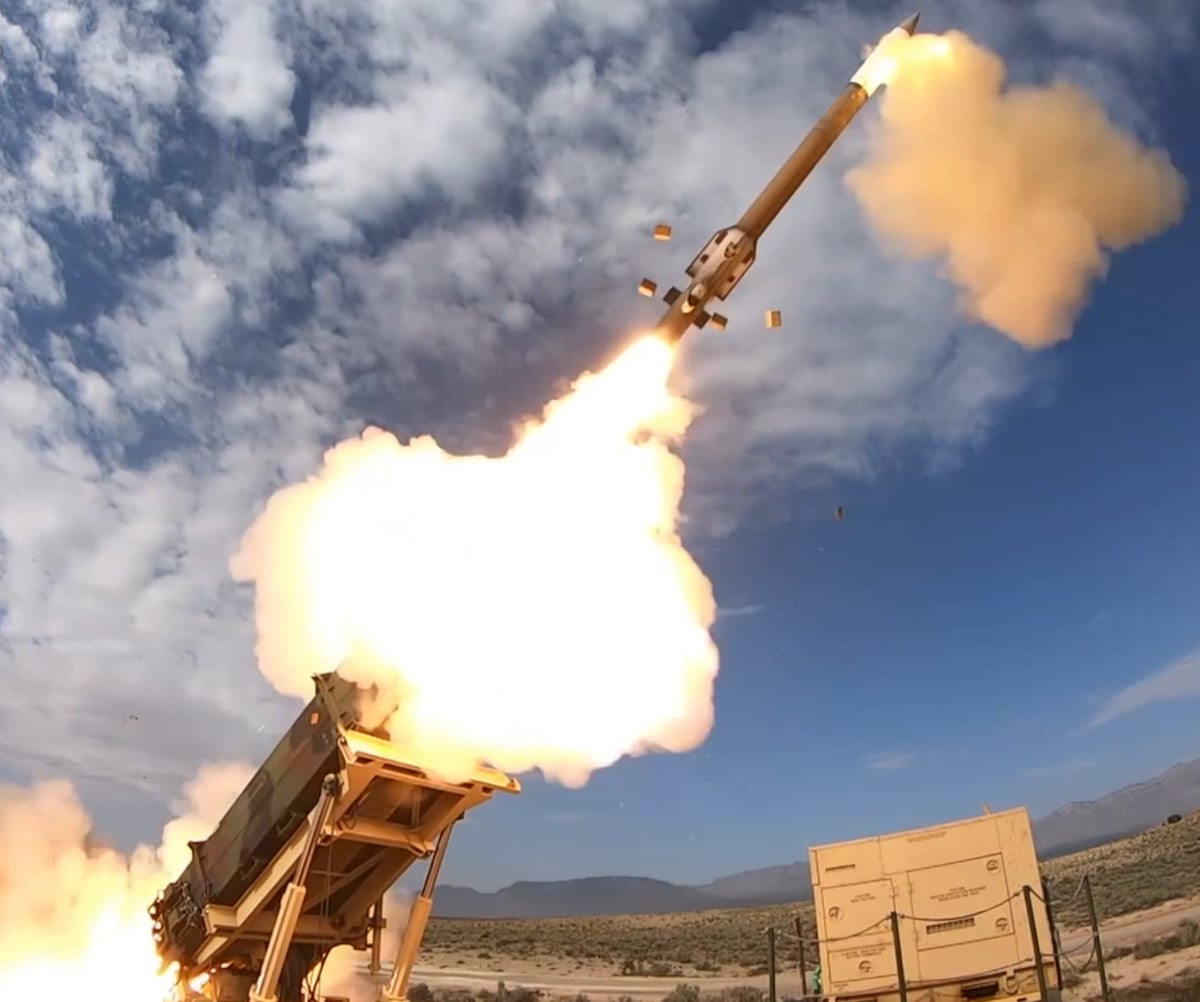
L3Harris Technologies is embarking on a significant initiative to establish a new publicly traded entity focused on solid rocket motors, with plans to launch this venture in the latter half of the year. This development includes a substantial partnership with the U.S. government, which will assume a notable position as a stockholder in the company post-Initial Public Offering (IPO).
The Investment Structure
The recent announcement by L3Harris details a complex transaction framework that features a $1 billion commitment from the Department of Defense (DoD) toward L3Harris’ rocket motor operations. This financial engagement will commence as a convertible preferred security, transitioning to common equity upon the IPO’s execution.
- Future Procurement Agreements: Both L3Harris and the DoD view this agreement as a launchpad for negotiating extended procurement contracts for solid rocket motors, subject to legislative approval and funding.
As articulated by Michael Duffey, the Undersecretary of Defense for Acquisition and Sustainment, “We are fundamentally shifting our strategy for securing our munitions supply chain.” This investment approach emphasizes the development of a resilient industrial base essential for the nation’s military readiness.
A New Paradigm in Supplier Relationships
This represents the DoD’s inaugural direct investment strategy and aligns with the broader acquisition transformation agenda. The “Go Direct-to-Supplier” initiative encourages more direct negotiations with manufacturers supplying critical components such as motors and munitions.
- Equity in Key Suppliers: The U.S. government has previously acquired stakes in other technology sectors, such as holding a 10% share in Intel and investing in several mineral extraction firms, indicating a strategic pivot towards direct involvement in defense supply chains.
Analyst Perspectives and Market Implications
Capital Alpha analyst Byron Callan has raised several pertinent questions regarding the implications of this partnership. Key considerations include:
- Why is federal funding directed toward L3Harris instead of established industry players like Northrop Grumman or Lockheed Martin?
- How will taxpayer returns be ensured without conflicts of interest, given the DoD’s stake in a competitor?
Chris Kubasik, CEO of L3Harris, clarified that the company will retain majority ownership and control over its newly branded Missile Solutions division. “This investment is purely economic; the DoD will not influence management or daily operations,” he asserted.
The Operational Framework of Missile Solutions
The Missile Solutions division boasts approximately 7,000 employees, generating revenues between $3.6 billion and $3.8 billion in 2025. This unit is not only pivotal for producing solid rocket motors but also manufactures the RS-25 engine used in NASA’s deep space missions.
- Leadership Continuity: The current executive team will remain, including President Ken Bedingfield, who is implementing a transformational shift towards more flexible manufacturing processes.
Bedford elaborated on this initiative: “We are evolving from a program-specific production model to a more versatile manufacturing approach. This will facilitate rapid adjustments across different programs and enhance our supply chain resilience.”
Financial and Strategic Movements Ahead
Looking towards the future, L3Harris is poised to capitalize on this equity investment to reinforce its production capabilities. Kubasik emphasized the need for substantial capital inflow, stating, “We require billions of dollars to realize this vision,” prompting the partnership with the DoD as a pragmatic solution.
This government equity stake implies a vested interest in a company that will compete for defense contracts. Kubasik reassured that competition will remain equitable and transparent.
In 2023, L3Harris solidified its position in the munitions market by acquiring Aerojet Rocketdyne, a strategic move to gain greater visibility into supply chain dynamics. Aerojet and the legacy Orbital ATK have long dominated the solid rocket motor market for U.S. defense applications, but the landscape is evolving.
Additional startups are emerging with the ambition of challenging this duopoly, presenting fresh competition and innovation opportunities.
Strategic Industry Contractions and Future Outlook
The imminent IPO of Missile Solutions, coupled with L3Harris’s divestiture of its Aerojet space propulsion business to AE Industrial Partners, signifies a potential shift towards a more fragmented defense industrial base. Kubasik posits that enhancing the number of prime contractors will expedite processes and foster competitiveness, ultimately benefiting the armed services, taxpayers, and shareholders alike.
J.P. Morgan Securities is acting as the financial advisor in this endeavor, supported by Vinson & Elkins LLP as legal counsel. This partnership signals an evolving landscape in U.S. defense procurement strategies, one that prioritizes resilience, competition, and innovation in critical supply chains.