
Defense Department Seeks Reprogramming of $5.4 Billion
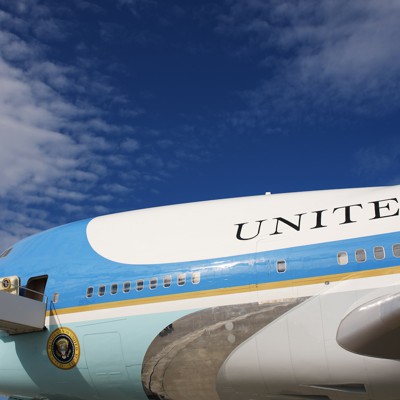
The Department of Defense (DoD) has submitted a request to Congress, aiming to reallocate $5.4 billion in previously sanctioned funds toward various strategic programs. This initiative includes an effort to expedite the delivery of the VC-25B presidential aircraft, commonly known as Air Force One.
Accelerated Delivery of VC-25B Aircraft
The Pentagon estimates that an infusion of $150 million could potentially advance the arrival of the VC-25B jets to 2027, two years ahead of the current schedule, which projects delivery in 2029. The proposed funding would be utilized to procure essential long-lead spares and operational support items necessary for the expedited deployment of these aircraft. This information is outlined in the Pentagon’s annual omnibus reprogramming document dated July 15.
Air Force representatives have previously indicated that if certain specifications were relaxed, they might be able to hasten the delivery timeline of the long-delayed and over-budget aircraft. Notably, the reprogramming request categorizes the VC-25B program as a “congressional special interest item.”
Interim Solutions and Retrofitting Costs
In tandem with the reprogramming efforts, former President Donald Trump is engaging in the retrofitting of a Boeing 747, previously owned by the Qatari royal family, to serve as an interim Air Force One until the new VC-25Bs are operational. This retrofit project is estimated to cost nearly $1 billion. Secretary of the Air Force, Troy Meink, has indicated plans to utilize “early to need” funding from the Sentinel intercontinental ballistic missile program for the retrofitting process.
Strategic Reallocation of Resources
Annual reprogramming requests serve as a mechanism for the DoD to transfer funds from one initiative to another. This year’s proposal seeks to divert over $5.4 billion from appropriations allocated across fiscal years 2023, 2024, and 2025. Such reallocations are essential for addressing unforeseen military necessities and prioritizing national security interests.
Key allocations within the reprogramming proposal include:
- THAAD Missile Defense System: An increase of over $500 million to bolster the Terminal High Altitude Area Defense (THAAD) system, which suffered significant losses during recent operations in the Middle East.
- New Initiatives: Funding for innovative programs such as the Army’s Common Autonomous Multi-Domain Launcher (CAML) and the development of a hypersonic missile for the High Mobility Artillery Rocket System (HIMARS).
Funding Cuts and Program Adjustments
To facilitate these priorities, the Pentagon has outlined specific programs which will be curtailed, noting those funds as “early to need.” These cuts are drawn from delayed initiatives that are not yet ready for implementation. This realignment reflects new directives from DoD leadership, including efforts to retire outdated equipment and discontinue programs such as the M-10 Booker tank.
Addressing Workforce Changes
The reprogramming request also highlights the financial implications of the DoD’s deferred-resignation program, which allows employees to cease work while receiving pay through September. This initiative is part of Secretary Pete Hegseth’s objective to reduce the civilian workforce by approximately 60,000 personnel. As a result, the DoD will incur substantial unforeseen expenditures related to workforce retention, including payouts for annual leave balances for those participating in the program.
Collectively, similar strategies across the federal government are currently compensating over 154,000 individuals who are not actively working, indicating the extensive impacts of these workforce adjustments.
Conclusion
The Defense Department’s reprogramming proposal underscores the need for flexible funding strategies to meet evolving military demands. By redefining resource allocation priorities, the Pentagon aims to enhance operational readiness while addressing critical program needs. Such realignments are crucial for maintaining national security and providing the United States military with the capabilities required in an increasingly complex global environment.