U.S. Military Engagement in Iran: Operation Midnight Hammer
Context and Objectives
In a significant development in U.S.-Iran relations, Defense Secretary Pete Hegseth publicly stated that the United States does not aim to instigate regime change in Iran. His remarks followed recent military airstrikes targeting Iranian nuclear facilities, amid rising geopolitical tensions in the region.
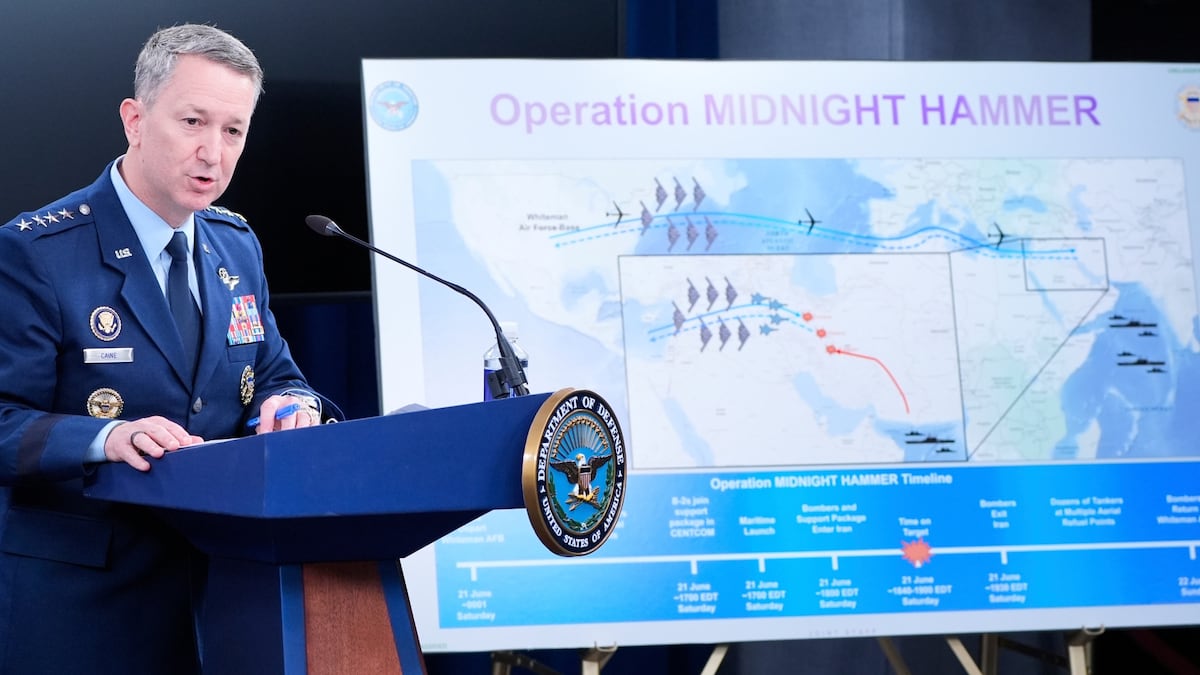
U.S. officials emphasized that any retaliatory measures from Iran would face a robust military response exceeding the capabilities displayed in the recent strikes. The intent behind this operation, labeled Operation Midnight Hammer, was to impede Iran’s nuclear program while minimizing escalation into a broader conflict.
Operation Midnight Hammer: Strategic Execution
The airstrikes, carried out from B-2 stealth bombers, marked a pivotal moment in U.S. military strategy. Initial reports indicated that all precision munitions effectively hit their intended targets, leading to considerable damage to Iran’s nuclear capabilities. The mission involved the following critical components:
- Aircraft Utilization: A coordinated operation involving 125 aircraft.
- Munitions Employed: Use of 75 precision weapons, including 30,000-pound Massive Ordnance Penetrators (MOPs).
- Submarine Involvement: Tomahawk cruise missiles launched from U.S. submarines complemented the airstrikes.
Military Impact and Post-Strike Analysis
Chairman of the Joint Chiefs of Staff Gen. Dan Caine reported promising initial assessments, suggesting that all targeted sites suffered significant destruction. This kind of precision attack poses a unique challenge to Iran, especially given the fortified nature of facilities like the Fordo complex, which is heavily reinforced against conventional assaults.
The strategic implications of this operation are profound. By deploying advanced capabilities, the U.S. sends a clear signal to Tehran regarding its military posture and readiness.
Potential Risks and Regional Stability
While the operation was designed to limit Iran’s nuclear ambitions, it introduces a new level of risk for U.S. forces stationed in the region. The current deployment includes approximately 40,000 troops, a spike from the previous numbers due to the escalating situation. Key military bases along the Persian Gulf now sit within the range of Iranian missile systems, heightening concerns regarding force protection and conflict escalation.
- Proactive Measures: The U.S. military is implementing enhanced protective strategies for personnel, although specific details remain classified.
- Operational Readiness: Central Command is in a heightened state of alert, prepared to respond to any potential Iranian reprisals or proxy engagements.
Political Divide and Domestic Reactions
Domestically, the military engagement has polarized U.S. political factions. Traditional defense hawks, including key figures like Senate Armed Services Committee Chairman Roger Wicker, back the strikes and advocate for a strong defense posture to protect allies like Israel. Conversely, emerging elements within the Republican Party express concerns about the risks of getting entangled in another protracted conflict.
- Bipartisan Concerns: The military’s current stance raises questions about long-term objectives and the desired end state in the Middle East.
- Operational Limits: Hegseth underscored the targeted nature of the strikes, asserting that they were not designed to broaden U.S. military involvement.
Conclusion
The airstrikes executed in Operation Midnight Hammer represent a significant escalation in U.S.-Iran relations, with far-reaching consequences for regional stability. As U.S. military and intelligence assessments continue to evolve, future actions will hinge on both Tehran’s response and the broader geopolitical landscape. The operation underscores the complexities of deterrence and the multifaceted nature of modern warfare, where technological superiority must align with clear strategic objectives.
The dynamics at play will undoubtedly shape the U.S.’s approach to military engagement and foreign policy in the region moving forward. As the situation develops, the strategic calculus of both U.S. and Iranian leadership will be critical in navigating this potentially volatile landscape.