
Pentagon Accelerates Missile Production with Major Defense Agreements
The Department of Defense has initiated three significant agreements with leading defense contractors to enhance the production and expedited delivery of missile systems and their critical components.
Key Partnerships with Prime Contractors
The agreements, forged with Lockheed Martin, BAE Systems, and Honeywell Aerospace, are aimed at rapidly scaling the manufacturing capabilities for a diverse range of missile elements, particularly ballistic interceptors.
Quotes from Defense Officials
Michael Duffey, Under Secretary of War for Acquisition and Sustainment, articulated the initiative’s urgency: “Through this agreement, we are actively building the Arsenal of Freedom with speed and urgency. By empowering industry to invest in the factory floor, we are establishing a decisive and lasting advantage for our warfighters to outpace any potential adversary.”
Lockheed Martin’s Quadrupled Production
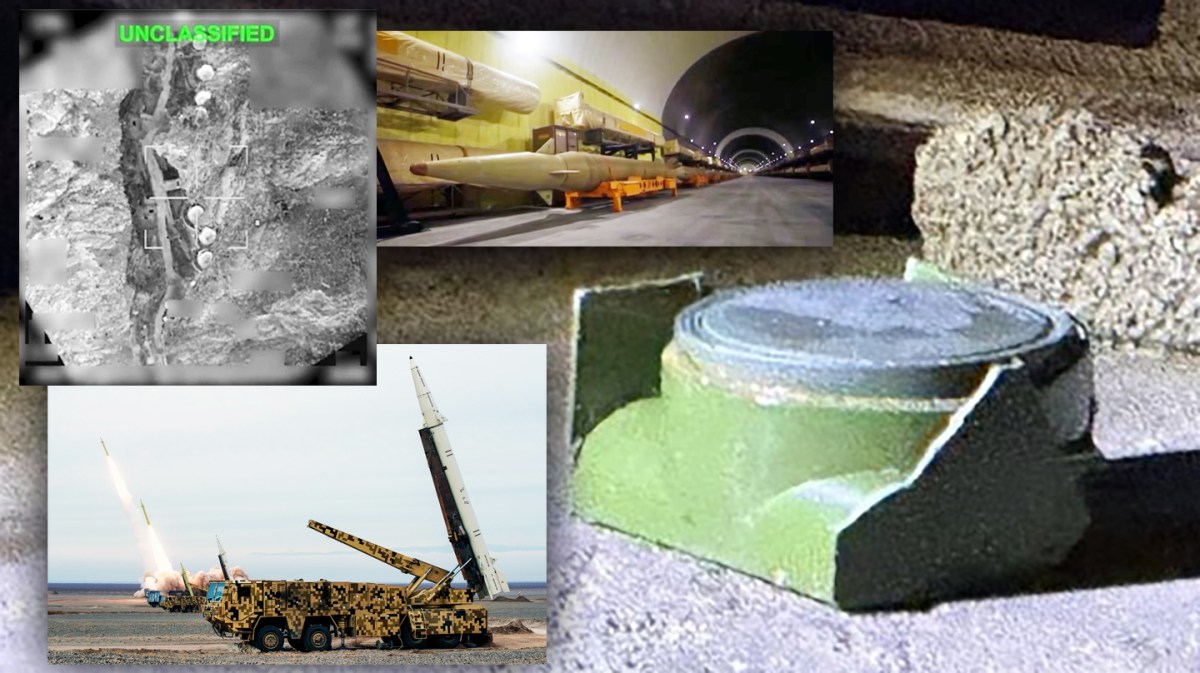
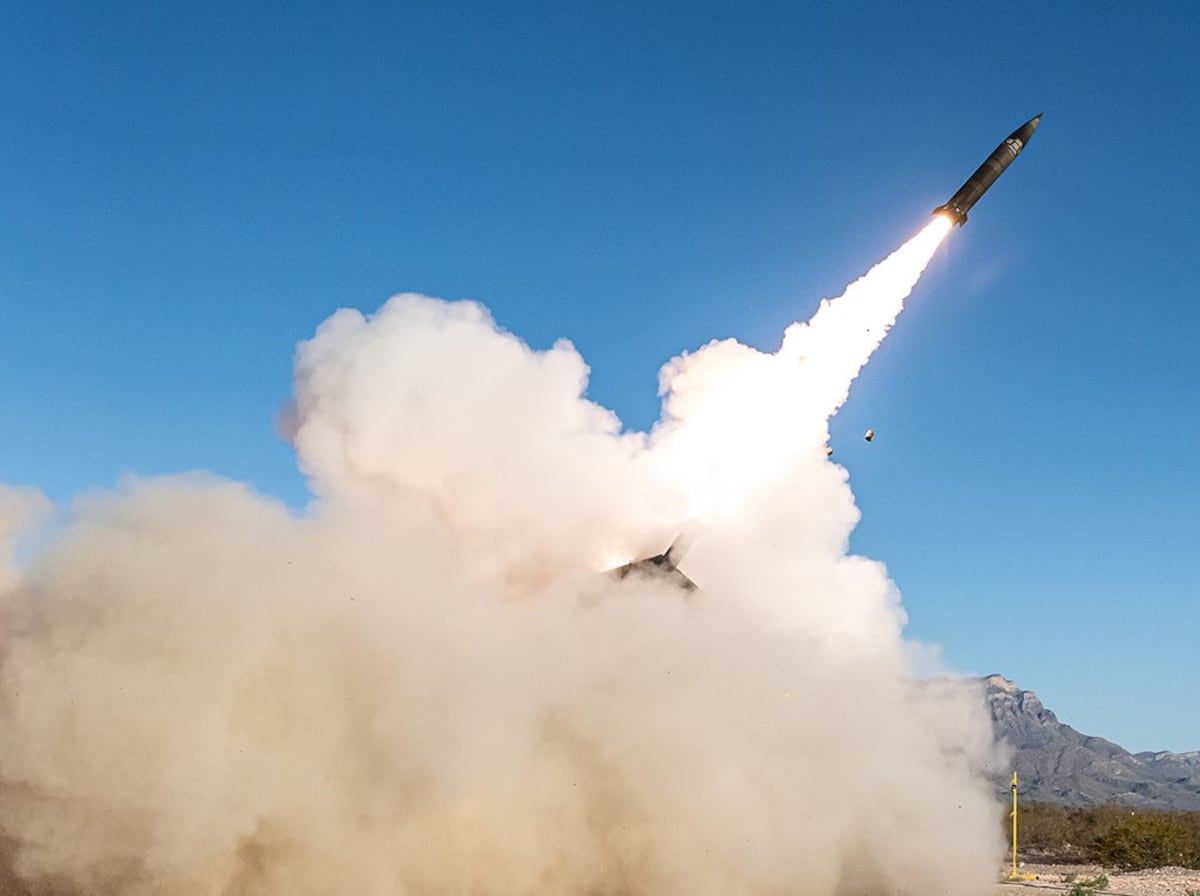
Lockheed Martin plans to amplify its manufacturing rate of the Precision Strike Missile (PrSM), which was recently utilized for the first time in a combat scenario during Operation Epic Fury against Iranian targets.
Jim Taiclet, Chairman, President, and CEO of Lockheed Martin, stated, “Lockheed Martin delivers the advanced precision fires capabilities the warfighter needs, including the Precision Strike Missile (PrSM), which enhances deep-strike capability.”
Collaboration with BAE Systems
In conjunction with BAE Systems, Lockheed will also elevate the production levels of the Terminal High Altitude Area Defense (THAAD) interceptor. BAE Systems has confirmed that their annual production rates for THAAD will also experience a quadrupling.
Honeywell’s Critical Component Manufacturing
Honeywell is set to significantly increase the production of essential missile components, which include:
- Navigation systems
- Electronic warfare systems for fighter jets
- Advanced Medium-Range Air-to-Air (AMRAAM) missiles
- The Assure actuator, responsible for maneuvering missiles in flight
Jim Currier, President and CEO of Honeywell Aerospace, expressed pride in the company’s ability to meet this urgent need.
Strategic Importance of Enhanced Missile Capabilities
The heightened production of these missile systems plays a crucial role in the U.S. military’s efficacy in countering aerial threats, including one-way attack drones. The THAAD interceptor is specifically designed to neutralize aerial threats, effectively engaging intermediate and short-range ballistic missiles traveling at speeds up to 17,000 miles per hour.
Features of the Precision Strike Missile
The PrSM showcases advanced GPS functionalities and can accurately strike targets from approximately 250 miles away. It is compatible with both the M142 High Mobility Artillery Rocket System (HIMARS) and the M270A2 Multiple Launch Rocket System (MLRS), frequently employed by NATO allies.
Lockheed Martin has also recently tested an upgraded iteration of the PrSM, crafted explicitly for targeting moving maritime assets, further enhancing its operational versatility.
Conclusion
These agreements underscore a strategic pivot towards bolstering U.S. missile capabilities, demonstrating a proactive stance in defense readiness against evolving global threats. The collaboration among major defense manufacturers is expected to strengthen operational efficacy and maintain a competitive edge in defense technologies.