

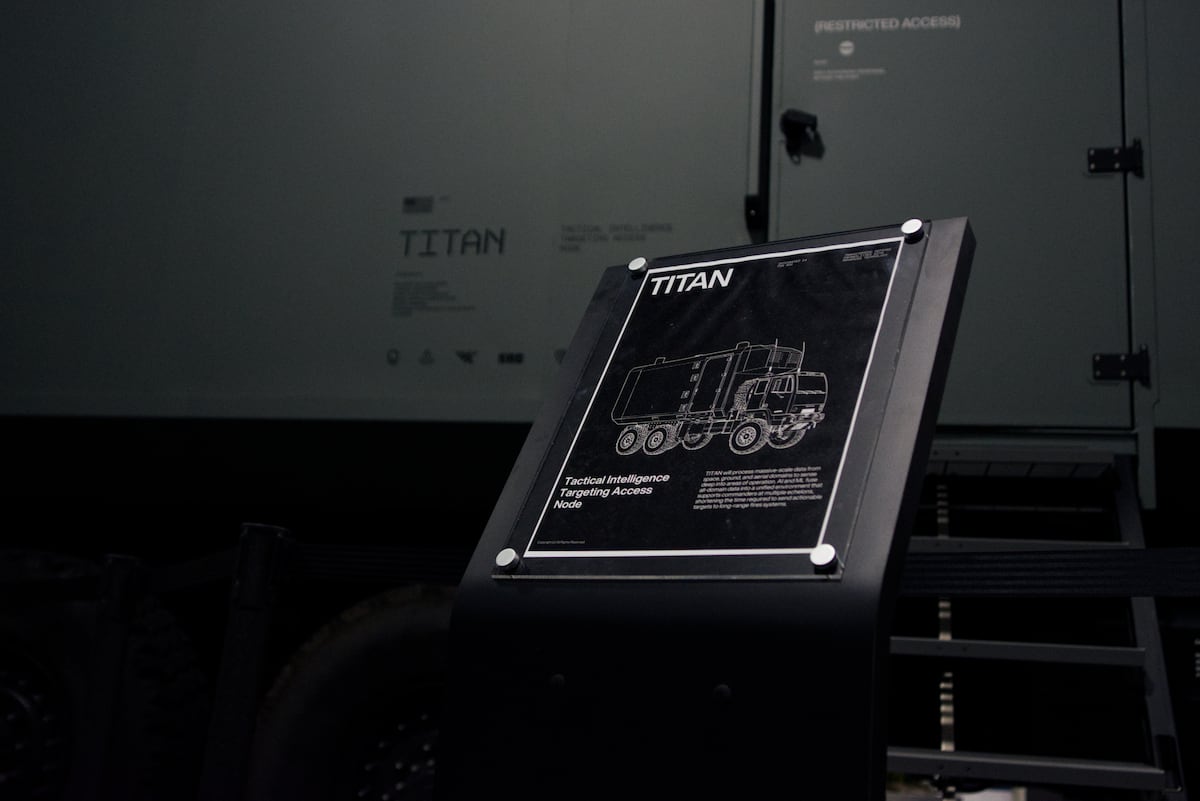
Palantir Technologies Delivers First Tactical Intelligence Targeting Access Node Systems to U.S. Army
Palantir Technologies has marked a significant milestone in modern military technology by delivering the initial two systems of the Tactical Intelligence Targeting Access Node, commonly known as TITAN, to the U.S. Army. This cutting-edge ground system is poised to enhance the Army’s capabilities by improving the connection between on-the-ground data-gathering sensors and weapon systems, ultimately aiming to increase operational efficiency and precision in military engagements.
Background on the TITAN Program
The development of the TITAN system stems from a $178 million contract awarded to Palantir in March 2024. This contract encompasses the creation of a total of ten next-generation, AI-defined ground systems designed to operationalize Army modernization priorities. According to Palantir, the achievement of this first milestone—a full delivery on time and within budget—demonstrates the firm’s commitment to advancing military technology.
Enhancing Targeting Capabilities
At the core of the TITAN initiative is the goal to bridge the gap between data-collecting sensors and the decision-making process for weapon deployment in the field. By streamlining the flow of information from intelligence sources to the troops on the ground, the system is expected to significantly improve the Army’s long-range targeting capabilities. The integration enables a faster and more accurate response, which is crucial in today’s fast-paced combat environments.
Delivery and Future Production
While Palantir has successfully delivered one of each variant of the TITAN system, the timeline for future deliveries remains less certain. The company anticipates completing all ten systems by 2026. Following this, an important decision looms on whether the Army will transition to full-rate production. Although specific numbers have not been confirmed by Army officials, estimates suggest the potential acquisition of between 100 and 150 units in total, contingent upon the initial success of the systems in operation.
Variants of the TITAN System
The initial contract stipulates the provision of ten units, split between two variants: advanced and basic. Five of these will be advanced variants capable of integrating with tactical trucks, enabling them to receive data from space-based sensors. The remaining five units, categorized as basic variants, will be mounted on the Army’s Joint Light Tactical Vehicle (JLTV). Although the basic variant does not feature a direct space downlink, it can still access essential data from existing space sensor systems. This dual approach ensures that various operational needs and environments are effectively addressed.
Collaborative Efforts and Soldier Input
Palantir is not executing this project in isolation; it has formed partnerships with several other industry leaders, including Anduril Industries, Northrop Grumman, and L3Harris, among others. This collaborative effort seeks to leverage the strengths of multiple firms in enhancing the TITAN system’s capabilities.
Crucially, the development process has been informed by a continuous feedback loop involving soldiers who are likely to use the system. Palantir emphasizes that integration of soldier feedback has been a priority, allowing for iterative improvements in both the hardware and software components of the TITAN system over the past year. This approach ensures that the final product aligns closely with the practical needs and experiences of military personnel.
Summary
The delivery of the TITAN systems represents a pivotal advancement in how the U.S. Army plans to leverage technology for improved operational readiness. With an eye on the future and a commitment to modernizing its capabilities, the Army is poised to enhance its combat effectiveness through the integration of AI-driven targeting solutions. As this program unfolds, the collaborative spirit and soldier-centric development processes behind it may set new standards in military technology innovation.