Northrop Grumman and the B-21 Raider: Prospects for Contract Expansion and Production Acceleration
Overview of Recent Developments
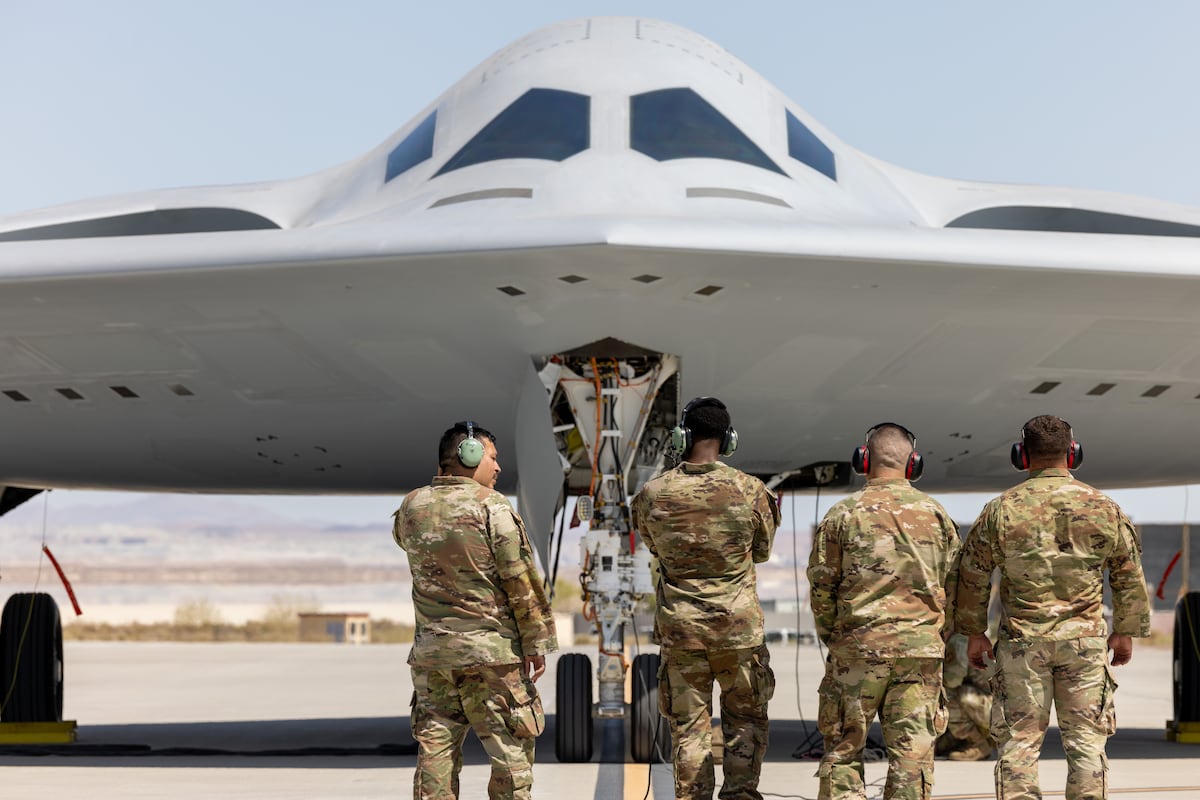
Northrop Grumman anticipates securing additional contracts from the U.S. Air Force regarding its B-21 Raider stealth bomber program before the close of the calendar year. CEO Kathy Warden disclosed this expectation during a recent earnings call, indicating robust momentum behind the project.
Accelerated Production Talks Underway
The defense contractor is in active negotiations with the Air Force aimed at expediting the production timeline for the B-21. This urgency has been bolstered by the recent budget reconciliation bill passed by Congress, which allocates $4.5 billion specifically to accelerate B-21 manufacturing. However, discussions have encountered delays due to the impending federal government shutdown.
- Potential Benefits of Acceleration:
- An accelerated production schedule could significantly boost Northrop’s revenue by 2026.
- Warden emphasized that the specifics of negotiations will ultimately determine the financial implications, leaving the extent of potential revenue increases uncertain at this point.
Acquisition Goals and Future Expectations
The Air Force’s procurement strategy involves acquiring a minimum of 100 B-21 bombers to replace the aging B-2 Spirit and B-1 Lancer fleets by the 2030s. There is also consideration for potentially expanding this order. Should that occur, negotiations regarding quantity would likely be distinct from those focused on production acceleration, necessitating different strategies and discussions.
Northrop Grumman is poised to receive a contract for the third low-rate initial production lot of the B-21, along with a pre-contract for the fifth lot, anticipated in the fourth quarter of 2025. This strategic positioning underscores the company’s ongoing commitment to advancing the B-21 project.
Milestones in Development and Testing
A key milestone was achieved in September with the initiation of flight tests for the second B-21 prototype. This phase marks a pivotal transition from basic flight maneuvers to comprehensive integration of the aircraft’s weapons and mission systems—critical for the B-21’s operational capabilities.
- General Preparation: Multiple additional B-21 units are currently undergoing ground testing, aimed at validating their performance metrics and minimizing associated risks.
Financial Context and Cost Management
In April, Northrop Grumman reported a substantial $477 million loss related to the B-21 program, attributed to a transformation in its production processes designed to enhance efficiency. CFO Ken Crews noted that costs associated with engineering and manufacturing development flight test aircraft exceeded projections, thereby inflating anticipated costs for the low-rate initial production series.
Yet, a recent restructuring of contracts has mitigated many of these financial concerns. Crews emphasized that adjusted contracts have effectively balanced the increased costs, stabilizing projections for future low-rate production lots.
Conclusion: A Strategic Path Forward
The ongoing developments in the B-21 program underscore Northrop Grumman’s pivotal role in shaping future U.S. airpower. As negotiations proceed with the Air Force and production timelines are evaluated, the balance between cost, efficiency, and operational capability will remain at the forefront. Northrop Grumman is not only addressing immediate challenges but is also strategically positioned for long-term growth within the defense sector, particularly as the demand for advanced military aircraft continues to evolve.
For professionals engaged in defense policy, the trajectory of the B-21 Raider serves as a pertinent case study in the complexities of military contracting, production acceleration, and the integration of advanced military technologies into national defense strategies.