
Analysis of the Sinking of the IRIS Dena: Implications for Naval Warfare and Strategic Operations
Incident Overview
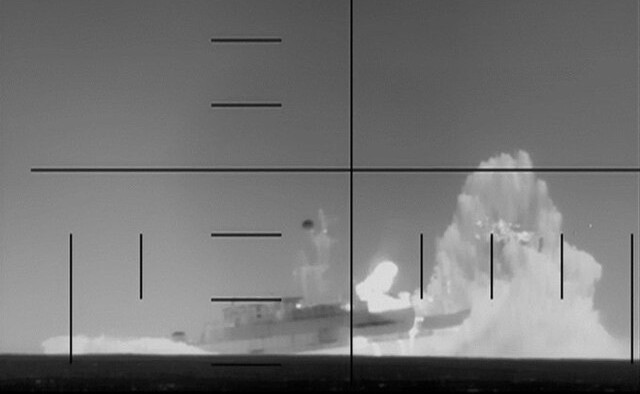
On March 4, an American submarine, USS Charlotte, engaged with and sank the Iranian frigate IRIS Dena, approximately 40 nautical miles off the southern coast of Sri Lanka in the Indian Ocean. This incident, set against one of the world’s busiest maritime corridors, is not merely a tactical occurrence but rather a significant event with substantial strategic ramifications.
Legal and Operational Context
Target Justification
Under the prevailing laws of naval warfare, the IRIS Dena constituted a legitimate military target. International legal principles clarify that warships of a belligerent state are lawful objectives due to their inherent military nature. A key consideration is that belligerent forces may be engaged anywhere on the high seas once international armed conflict exists.
- Military Capabilities: Despite assertions that the IRIS Dena was unarmed, the frigate was equipped with:
- A 76 mm naval gun
- Surface-to-air missiles
- Anti-ship missiles
- Torpedo systems and sonar capabilities
Rescue Obligations and Submarine Operations
The obligation to assist survivors post-engagement is nuanced in naval warfare. Commanders are permitted to prioritize the safety of their units:
- Risks of Rescuing Survivors: Submarine operations rely heavily on stealth. Surfacing to conduct rescue missions might expose them to enemy detection and attack. Therefore, it is accepted practice for submarines to alert appropriate external authorities to manage rescue efforts.
Following the incident, reports indicate that the U.S. Navy informed Sri Lankan authorities of the sinking, which aligns with these legal duties.
The Broader Strategic Significance
Maritime Geography
The sinking represents much more than a tactical win for the United States; it signals a critical shift in the geopolitical landscape of the Indian Ocean:
- Trade Routes: The Indian Ocean’s waters serve as a vital artery for global trade, particularly energy transport. China and other nations heavily depend on these routes for economic stability.
- American Naval Strength: The incident underscores the United States’ commitment to countering Iranian influence and maintaining operational dominance in strategic maritime corridors.
Implications of Submarine Engagement
The effectiveness of U.S. submarine capabilities was markedly highlighted. Submarines prove particularly adept at achieving surprise and leveraging advanced technology to bypass traditional naval defenses. This situation demonstrates:
- The challenges surface vessels face in detecting and responding to submarine threats.
- The operational reach of U.S. forces that may deter adversaries and reassure allies of American military resolve.
Misinformation and Public Discourse
The immediate online discourse surrounding the sinking was rife with inaccuracies. Claims that the IRIS Dena was unarmed and that vessels participated in the International Fleet Review without armament were unfounded.
- Exercising Caution in Reporting: Misinformation can proliferate rapidly, especially concerning naval engagements that occur outside public awareness. This incident emphasizes the necessity for accurate communication about military operations.
Legal and Ethical Considerations
The presence of Australian sailors aboard the USS Charlotte introduced additional discussion regarding neutrality and legal implications within the context of the engagement. However, the legal justification for the strike was clear, irrespective of this factor.
Conclusion
The sinking of the IRIS Dena reveals the complexities where law, ethics, and naval strategy converge. This incident should prompt defense analysts and policymakers to reassess the implications of maritime warfare on strategic competition. As the United States continues to demonstrate its readiness to assert military force in crucial sea lines of communication, a deeper understanding of these operational dynamics is essential.
Understanding the nuances of modern naval operations allows for improved strategic planning and better public discourse on the realities of maritime combat. The equilibrium of power in the Indo-Pacific continues to evolve, marked by the United States’ steadfast posture against emerging threats.