Strengthening NATO’s Defense Posture in Response to Emerging Threats
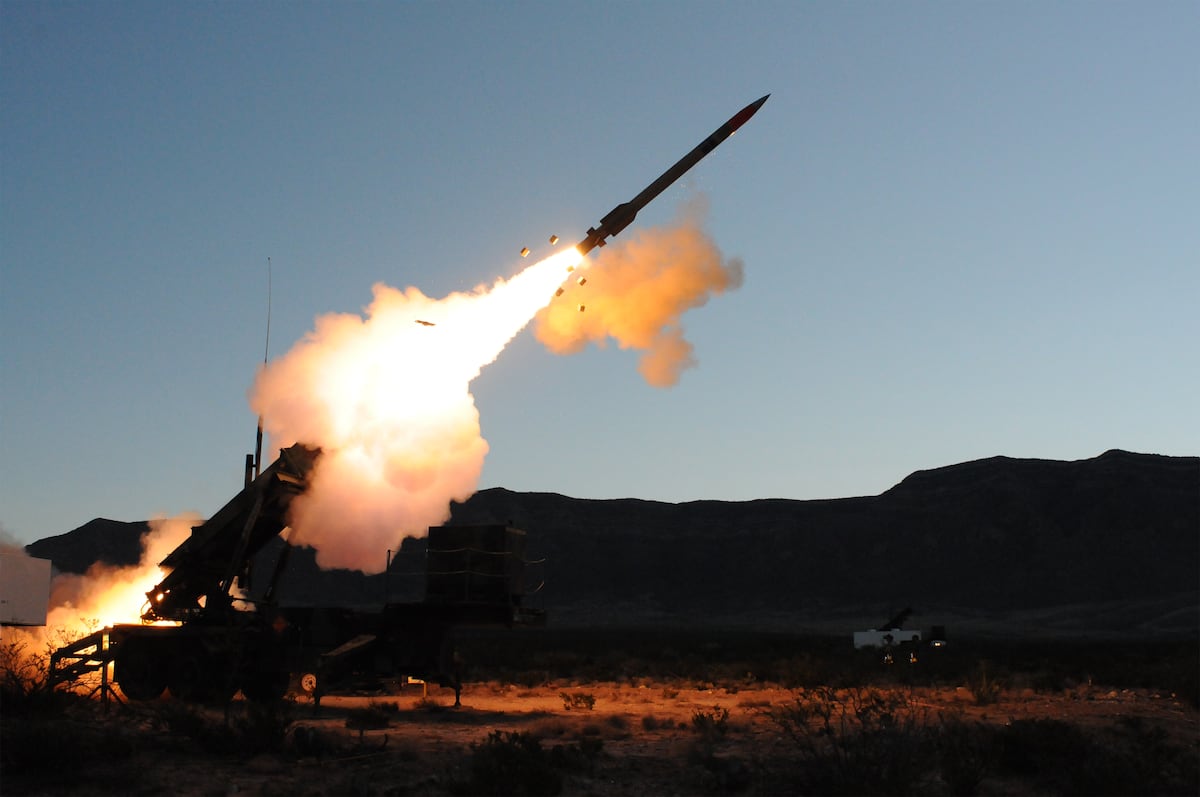
NATO Secretary General Mark Rutte is poised to advocate for a substantial enhancement in the transatlantic alliance’s air and missile defense capabilities. In light of the escalating threats from Russia, particularly highlighted by the ongoing conflict in Ukraine, Rutte is calling for an ambitious 400% increase in these crucial defense mechanisms.
Assessing the Threat Landscape
The nature of warfare has evolved dramatically, as demonstrated by Russia’s actions in Ukraine. Rutte emphasized the peril that aerial assaults pose, stating, "We witness how Russia projects terror from above." His upcoming address at Chatham House in London is expected to underline the urgency of scaling up NATO’s defensive capabilities to better shield its member states.
Enhancing Deterrence and Defense
To ensure credible deterrence, Rutte argues that NATO must significantly bolster its air and missile defense architecture. His remarks come as the alliance prepares for a critical summit in the Netherlands later this month, which will take place against the backdrop of U.S. President Donald Trump’s push for increased military expenditures among member states.
- Key Defense Spending Goals:
- Trump advocates for NATO nations to elevate their defense budgets to 5% of GDP, a marked increase from the existing target of 2%.
- U.S. Secretary of Defense Pete Hegseth recently indicated that member states are nearing consensus on this ambitious benchmark, which may be formalized at the upcoming summit in The Hague.
Long-Term Security Concerns
Despite optimistic rhetoric surrounding a potential resolution to the Ukraine conflict, Rutte warns that the danger will persist beyond its conclusion. He stresses the need for nations within NATO to initiate a “quantum leap” in collective defense.
Critical Resource Requirements
Rutte outlines specific shortages that must be addressed:
- Armored Vehicles and Tanks: A significant increase is necessary to meet operational demands.
- Artillery Ammunition: Millions more rounds are required to sustain engagement levels and readiness.
United Kingdom’s Strategic Developments
In parallel to these discussions, Rutte is expected to endorse the United Kingdom’s newly announced defense framework during his visit to London next week. This strategy includes notable plans to construct up to 12 nuclear-powered attack submarines and establish six munitions manufacturing facilities to enhance the UK’s military readiness in response to the geopolitical climate intensified by Russia’s invasion of Ukraine.
Conclusion
The evolving threat environment necessitates that NATO adapt and reinforce its defense capacities significantly. As the alliance gears up for the forthcoming summit, the discussions around defense budgets, military capabilities, and strategic partnerships will remain crucial for ensuring the resilience and effectiveness of collective security efforts. The outcomes of these deliberations could set a precedent for NATO’s future military posture in an increasingly complex global landscape.