
The Decline of the Harvest Hawk: Evaluating the Future of Marine Corps Aerial Capabilities
Overview of the Harvest Hawk Program
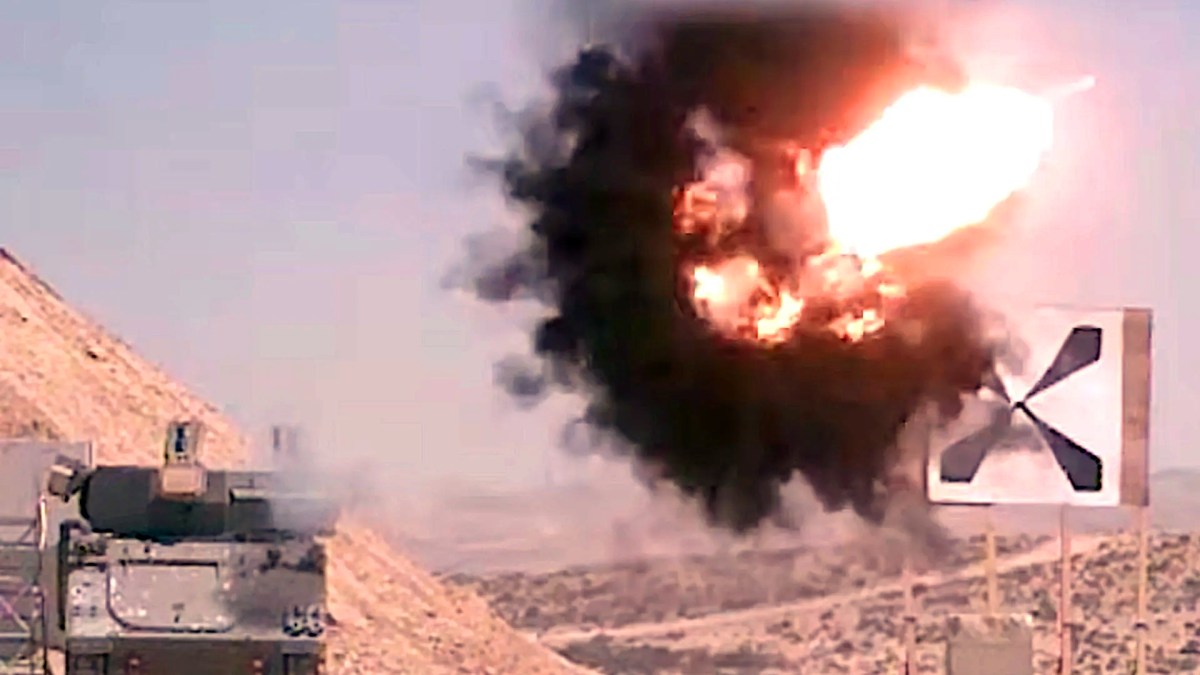
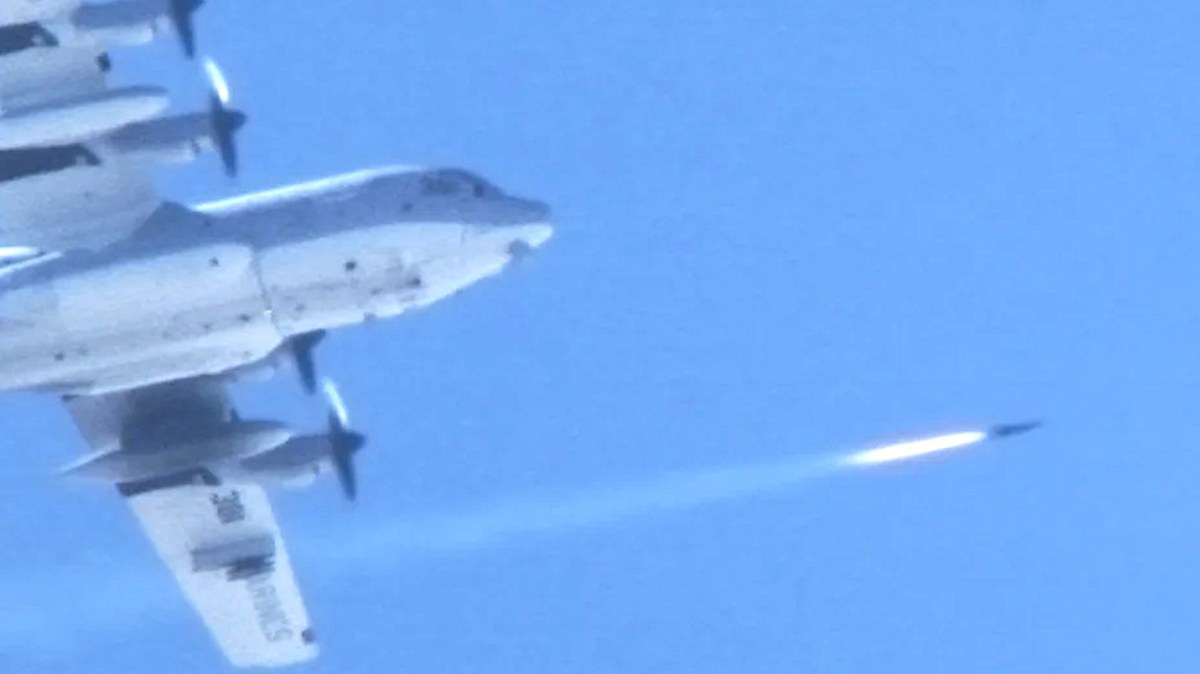
The Harvest Hawk, an armament kit designed for the KC-130J Hercules tanker and transport aircraft, has been officially discontinued by the U.S. Marine Corps due to escalating operational costs and diminishing demand. Once a celebrated adaptation for counter-terrorism efforts in Iraq and Afghanistan, this kit had allowed Marine Corps aircraft to engage in precision strikes with weapons such as the AGM-114 Hellfire missiles. However, the Marine Corps has now concluded that this capability is no longer aligned with its strategic direction.
Key Features and Utilization
-
Armament and Systems: The Harvest Hawk provided the KC-130J with the capability to deploy Hellfire and AGM-176 Griffin missiles, facilitating enhanced ground strike capability. The last iteration of the kit, known as Harvest Hawk Plus (HH+), also featured an advanced sensor turret for electro-optical and infrared surveillance.
-
Operational History: This kit saw its last deployment in 2014, indicating a shift in operational needs away from counter-insurgency toward high-intensity conflict preparation.
Strategic Reassessment and Military Transformation
Historically, the Harvest Hawk was a response to the tactical needs identified by Marine units involved in ongoing counter-insurgency missions. However, with the Marine Corps’ recent pivot towards higher-end engagements, particularly in the Pacific region amid rising tensions with China, the relevance of platforms like the Harvest Hawk has declined.
-
Adapting to New Threats: The Marine Corps has initiated the Force Design 2030 initiative, emphasizing new expeditionary tactics. This strategic objective requires resources that prioritize mobility and scalability over outdated capabilities, marking a significant evolution in doctrine.
-
Resource Allocation: A Marine Corps spokesperson indicated that the dismantling of the Harvest Hawk was deemed prudent due to limited operational demand—reflecting the need for strategic resource allocation in an evolving geopolitical landscape.
The Future of Aerial Capabilities
Despite the retirement of the Harvest Hawk, the Marine Corps recognizes the ongoing need for aerial combat capabilities. Future considerations include:
Alternatives for Armed Aerial Support
-
Intrepid Tiger II System: The integration of the Intrepid Tiger II electronic warfare suite on KC-130J aircraft aims to enhance self-defense capabilities while allowing the aircraft to support broader electronic warfare operations.
-
Rapid Dragon System: Interest in the U.S. Air Force’s Rapid Dragon system, designed for C-130 aircraft to launch long-range strike munitions, could provide the Marines with an innovative approach to engaging adversaries at extended ranges.
The Changing Role of Aerial Assets
The attention is now shifting towards developing alternative roles for KC-130Js that transcend traditional aerial refueling and transport missions. This includes:
-
Multi-role Adaptations: Assessments are underway on how these aircraft might operate as platforms for standoff munitions, increasing their tactical flexibility in major combat scenarios.
-
Expanding Aerial Intelligence: Enhancements in intelligence, surveillance, and reconnaissance (ISR) capabilities are being prioritized as part of the broader military objective to maintain situational awareness in contested environments.
Conclusion
The disbanding of the Harvest Hawk marks a pivotal shift in the Marine Corps’ approach to aerial capabilities. Moving away from legacy systems that no longer fit its strategic requirements allows for the reallocation of resources toward innovative solutions better suited for future conflicts. As the service reorganizes to face new challenges, the evolution of its aerial capabilities will be crucial in ensuring operational effectiveness in a complex global theater.