

CISA Leadership Shake-Up: Transition to an Interim Director
Leadership Changes at CISA
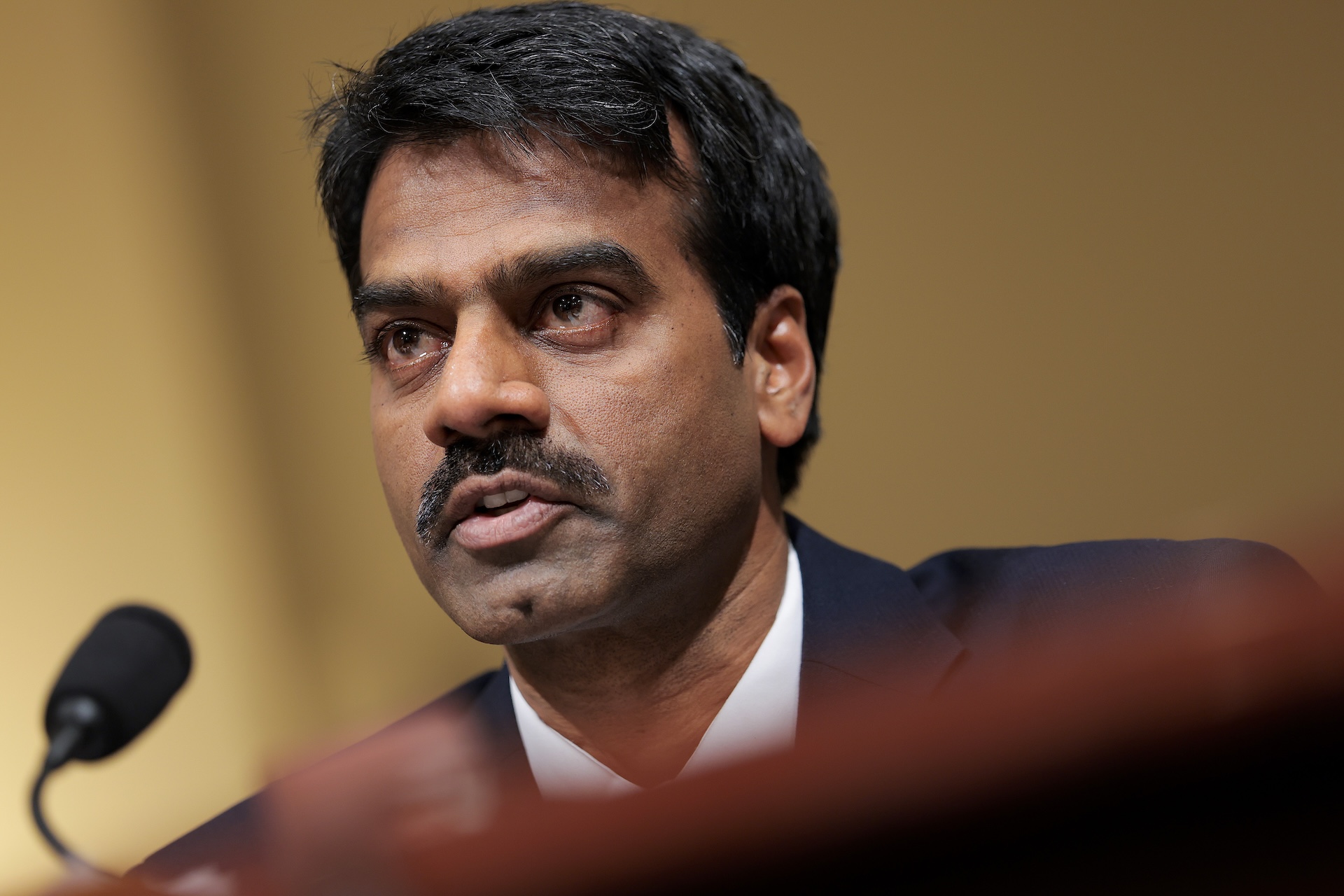
The departure of Madhu Gottumukkala from his position as acting director of the Cybersecurity and Infrastructure Security Agency (CISA) marks a significant transition for the agency. Nick Andersen, who currently oversees the cybersecurity division, steps in as the interim leader. This change arrives at a crucial time when the agency faces intensified scrutiny regarding its effectiveness during the initial year of the Trump administration.
Performance Under Scrutiny
Recent reports, including an analysis by CyberScoop, indicate increasing dissatisfaction with CISA’s performance, with Gottumukkala facing bipartisan critique. Stakeholders have expressed concerns about his leadership, coinciding with a series of unfavorable narratives regarding the agency’s operations and strategic priorities.
- Mixed Reviews on Leadership:
- While some officials highlighted Gottumukkala’s efforts to refine CISA’s core missions, others criticized perceived inefficiencies.
- A DHS official commended his ability to address the “bloated bureaucracy,” emphasizing his role in fiscal stewardship by reorganizing contracts to benefit taxpayers.
Background and New Assignments
Gottumukkala previously served as the chief information officer under former South Dakota Governor Kristi Noem, now the Secretary of Homeland Security. His trajectory at CISA began as deputy director before assuming the acting director role, especially amid stalled nomination processes for permanent leadership positions.
The reshuffle does not just involve Gottumukkala. He will transition to a new role as the director of strategic implementation within the Department of Homeland Security (DHS). Nick Andersen, meanwhile, has garnered more favorable reviews from cybersecurity professionals and industry allies compared to Gottumukkala, despite the latter’s recognized technical expertise.
Broader Implications for Cybersecurity Strategy
These leadership changes come at an essential juncture for CISA. The decisions made now will likely impact the agency’s cyber resilience strategy and its response capabilities to evolving threats. The recent departures extend beyond Gottumukkala, with Robert Costello also leaving his post as CISA’s Chief Information Officer.
Key considerations include:
-
Agency Structure:
- Insights suggest that while certain redundancies exist within CISA, many former officials believe that the organizational cuts under the Trump administration may have been overly aggressive, potentially impairing operational effectiveness.
-
Andersen’s Profile:
- Nick Andersen brings over two decades of experience in IT and cybersecurity roles across several federal departments, including the Coast Guard, Navy, and the Department of Energy. His extensive background positions him well to navigate the complexities of CISA’s mandate.
Conclusion: Navigating Challenges Ahead
As CISA embarks on this new chapter under interim leadership, the emphasis on adapting to emerging cybersecurity challenges is paramount. The transition presents both risks and opportunities for fortifying the agency’s approach to safeguarding critical infrastructure in an increasingly digital landscape. The outcomes of these leadership adjustments will be closely monitored by stakeholders invested in not only CISA’s future but also the broader framework of national cybersecurity policy.