Analysis of U.S. Military Intervention in Venezuela: Legislative and Legal Perspectives
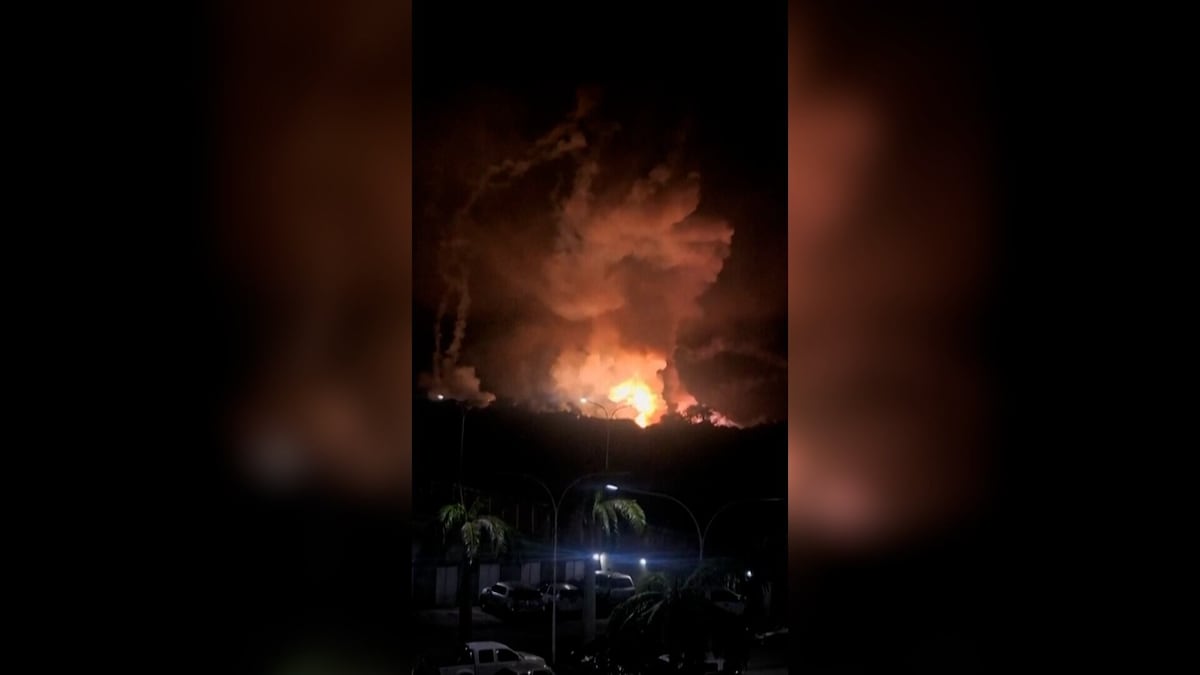
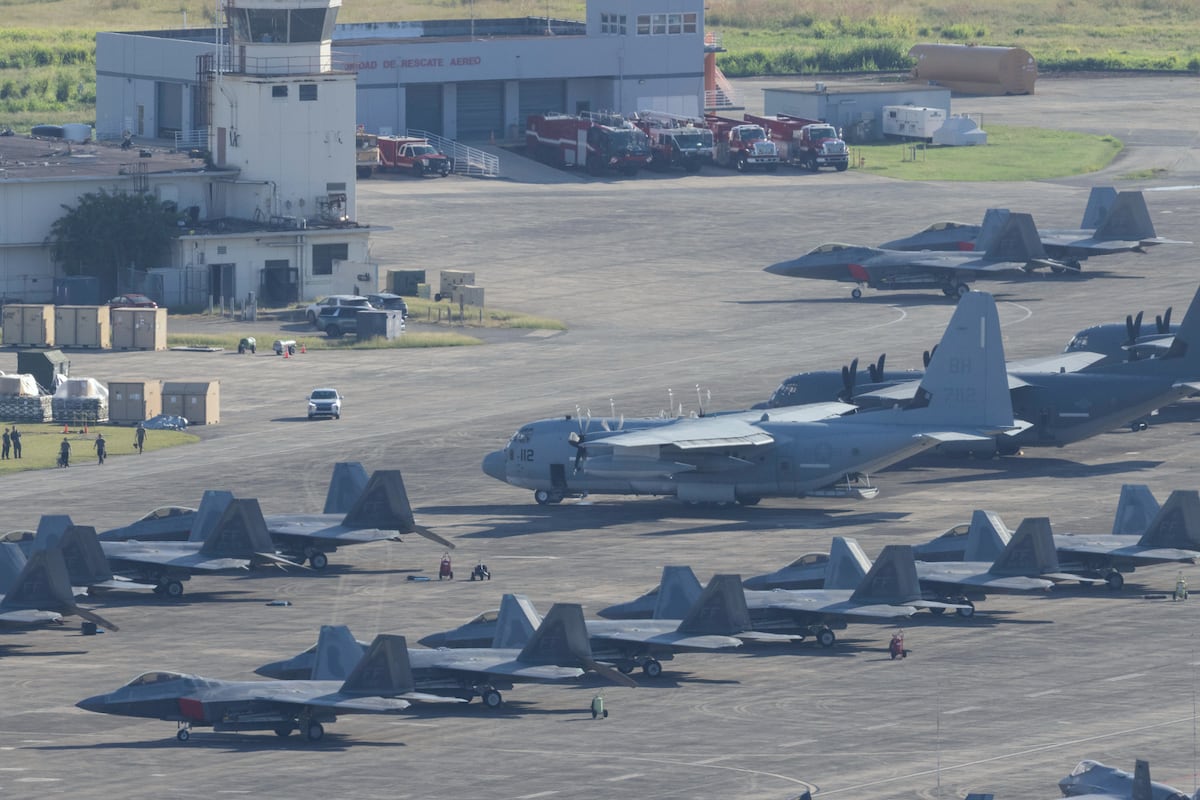
The recent U.S. military operation resulting in the apprehension of Venezuelan President Nicolás Maduro has elicited a spectrum of reactions from legislators and defense analysts. While some commend the action as a necessary measure against autocracy, others express profound concerns about the implications for international law and regional stability.
Political Responses: Diverging Views
Republican Justifications
Prominent Republican leaders have lauded the January 3 operation—termed Absolute Resolve—as an essential step in dismantling what they categorize as a dictatorial regime.
- Senator Roger Wicker, Chairman of the Senate Armed Services Committee, remarked:
“I commend President Trump for executing a successful mission to detain the illegitimate dictator Nicolás Maduro and ensure he faces justice in the United States.” - Representative Mike Rogers, Chairman of the House Armed Services Committee, framed the operation as a signal of commitment to safeguarding U.S. interests in the hemisphere:
“This action sends an unmistakable message to adversaries: malignant influences and threats to American security will not go unchallenged.”
Democratic Dissent
In stark contrast, Democratic lawmakers have condemned the unilateral military action as illegal and indicative of an escalating pattern of warfare without clear objectives.
- Senator Jack Reed, the Senate Armed Services Committee’s ranking member, criticized the operation as lacking an actionable strategy. He described the declared aim of capturing Venezuelan oil resources as “ludicrous,” highlighting the absence of a post-operation plan.
- Representative Adam Smith, also a prominent Democratic figure, warned that Maduro’s capture could destabilize the South American geopolitical landscape and questioned its legality within the framework of international norms.
Legal Implications and Historical Context
Legal analysts have raised alarms over the operation due to the absence of Congressional approval, presenting a troubling trend in executive military decision-making.
- Matthew Waxman, a former deputy assistant defense secretary and current law professor, stated:
“The executive branch has increasingly utilized substantial military force without clear checks from Congress, leading to outrage that seldom translates into decisive legislative action.”
Concerns of Transparency
Senator Tim Kaine has asserted that the administration misled Congress regarding its intentions. He emphasized the need for transparency, critiquing the lack of public discourse:
- “It is astonishing that several months into the Venezuela initiative, neither the House nor the Senate has conducted a single public hearing on the matter.”
Implications for U.S. Foreign Policy
The operation has prompted discussions around executive overreach and its implications on U.S. foreign policy.
- Jennifer Kavanagh, a senior fellow and military analysis director at Defense Priorities, expressed concern over congressional diminishment in military decisions. She stated, “This trend challenges established principles of democratic governance and raises questions about the President’s consolidation of authority.”
International Law and Future Considerations
As analysts evaluate the legality of the offensive, some, including experts from various think tanks, have deemed the operation a violation of the United Nations Charter.
- A former military lawyer remarked, “This action, framed as a law enforcement endeavor against narco-terrorism, is an evident breach of international law. Military engagements aimed at regime change must be scrutinized critically to uphold credibility in calling out similar actions by adversaries.”
Veteran Perspectives
Organizations such as Common Defense, representing grassroots veterans, have voiced strong opposition to the operation, drawing parallels to prolonged conflicts like those in the Middle East:
- “What commences as a limited military action risks evolving into another ‘Forever War,’ underscoring why the power to declare war should reside with Congress, not the executive branch.”
Conclusion
The military operation in Venezuela not only reignites debates surrounding the limits of executive power but also raises critical questions about its ramifications for regional stability and international law. As lawmakers grapple with these issues, the imperative for establishing clear operational strategies and maintaining transparency in military engagements remains paramount.