Strategic Advancement in Naval Power: Leonardo DRS Unveils New Charleston Facility
Enhancing U.S. Naval Capabilities
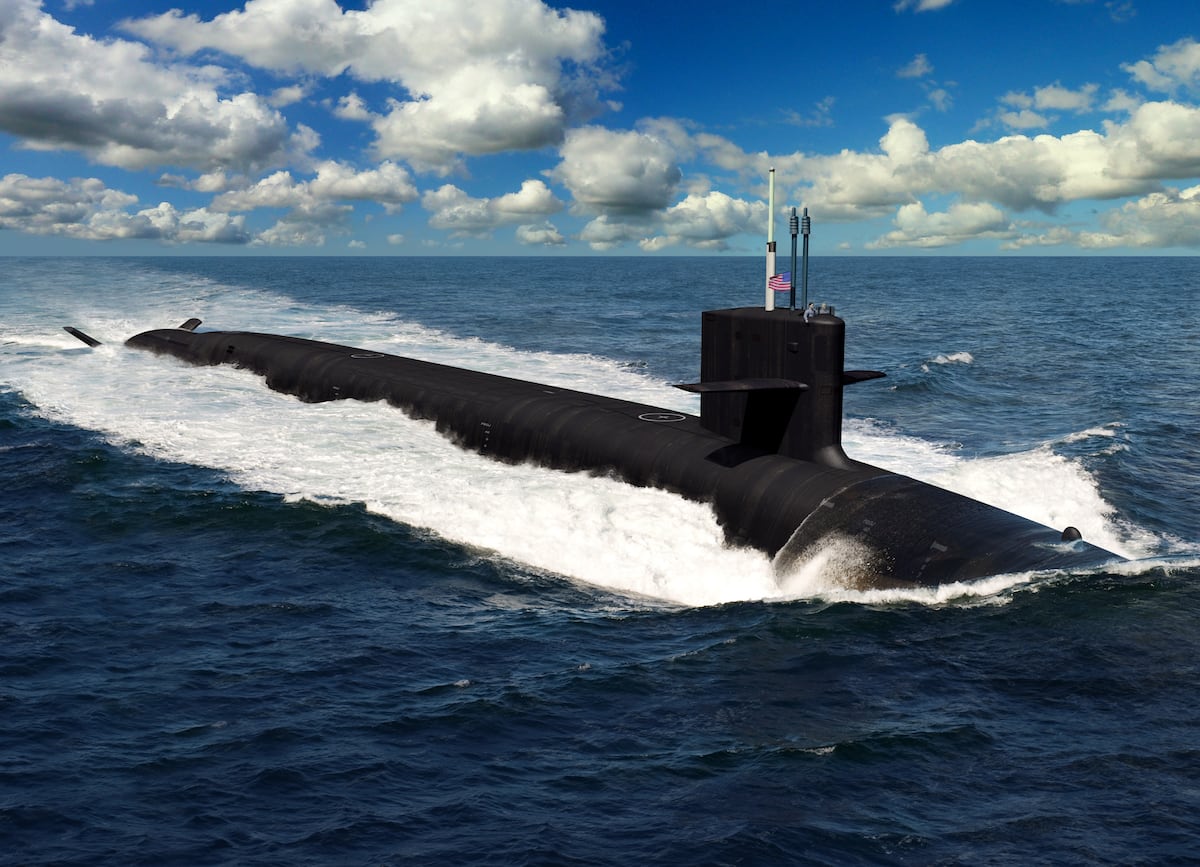
Leonardo DRS has inaugurated a cutting-edge naval power and propulsion facility in Charleston, South Carolina, aimed at bolstering the U.S. Navy’s shipbuilding pursuits, particularly in light of the critical Columbia-class submarine initiative. This program, currently facing a significant 17-month delay, underscores the pressing need for modernization and increased production capacity within the naval defense sector.
Facility Objectives and Impact
The new facility is designed to facilitate the manufacturing, assembly, and testing of components crucial for electric propulsion and ancillary systems utilized in submarines and other naval vessels. Key functions include:
- Development of Electric Power Systems: Streamlining the production process to enhance the Navy’s operational readiness.
- Testing of Naval Steam Turbine Systems: Expanding capabilities to meet the demands of advanced maritime technology.
- Support for Columbia-Class Submarine Production: Directly contributing to the Navy’s top-priority modernization efforts.
Challenges Ahead
The Columbia-class program faces substantial hurdles, including a forecasted two-year delay as of last June. The recent revelation of a 17-month holdup could lead to additional repercussions, particularly concerning the Virginia-class submarines, as increased manufacturing strains emerge.
According to a report from the Congressional Research Service released in December 2025, the Navy’s ongoing issues in executing shipbuilding initiatives reflect the complexity of both industrial and operational challenges. Among these pressing concerns is the probable inability to replace the aging Ohio-class submarines within the established timelines.
The Ohio-class submarines have demonstrated formidable stealth and strike capabilities, most notably during Operation Midnight Hammer. However, as the first vessel of this class approaches the end of its lifecycle next year, the urgency for a viable successor grows.
Strategic Importance of the New Facility
This new facility represents a timely intervention in a landscape where the demand for advanced naval warfare capabilities is escalating. John Baylouny, president and CEO of Leonardo DRS, articulated the strategic significance of this investment, emphasizing a commitment to fortifying the defense industrial base. He stated, “By enhancing our production capacity and modernizing our infrastructure, we ensure that the U.S. military receives essential capabilities right when they are needed.”
Broader Context: The Future of U.S. Naval Warfare
The establishment of this facility not only aims to mitigate existing delays but also to prepare for the evolving nature of naval warfare. As geopolitical tensions rise, and the maritime arena increasingly becomes a focal point for defense strategies, the ability to innovate and rapidly deploy cutting-edge technology is paramount.
The U.S. Navy’s commitment to state-of-the-art submarines reflects broader objectives of maintaining strategic deterrence and ensuring that operations remain effective in a complex and contested environment.
By advancing its manufacturing and testing capabilities, the new Charleston facility is positioned to play a pivotal role in sustaining U.S. naval superiority in the years to come.
Zita Ballinger Fletcher, with her extensive background in military history and editorial leadership, provides keen insights into the continually evolving landscape of defense and military strategy.