Investigation of B-2 Spirit Stealth Bomber Emergency Landing
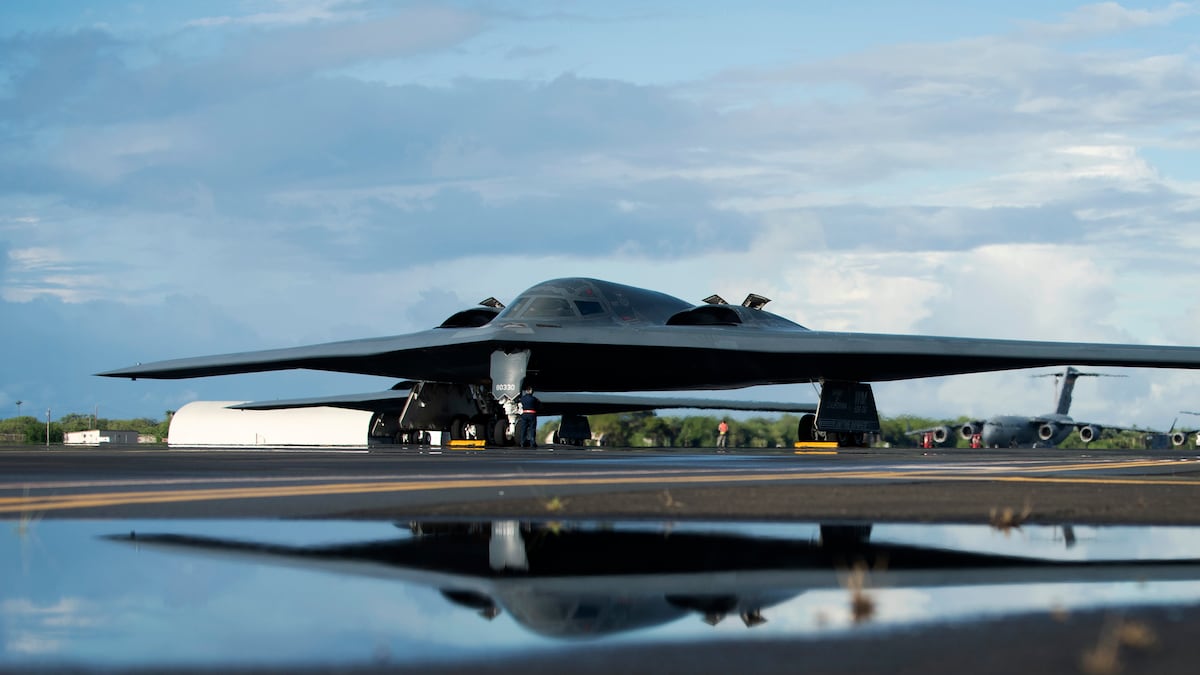
In December 2022, a B-2 Spirit stealth bomber from the 509th Bomb Wing at Whiteman Air Force Base faced a catastrophic failure during landing, ultimately leading to its retirement. An investigation by the U.S. Air Force has revealed critical insights into the causes behind this incident, highlighting design flaws and procedural misjudgments that warrant further scrutiny.
Sequence of Events Leading to the Incident
The B-2 bomber, referred to as the “Spirit of Hawaii,” undertook a routine mission on December 10, 2022, and upon its return, experienced an alarming series of technical malfunctions as the pilot prepared for landing:
- Landing Gear Deployment Issues: As the aircraft approached the runway, the pilot initiated the landing gear extension. While the locking mechanism initially engaged, a failure in a valve coupling within the right landing gear system resulted in a significant loss of hydraulic fluid.
- Emergency Response: The onboard computer attempted to switch to a backup system to restore pressure and unlock the right gear. Unfortunately, this backup system also suffered from a rapid decrease in pressure, complicating the emergency procedures.
Eventually, the pilot executed an emergency landing gear extension, which managed to deploy the right landing gear just before touchdown. However, upon landing, the left gear failed to lock securely.
Crash Dynamics and Fire Suppression Failures
Upon landing, the left landing gear collapsed under the aircraft’s weight, causing the left wing to drag along the runway. This interaction with the concrete surface severely damaged the wing tip, leading to the rupture of a fuel tank and igniting a substantial fire.
- Pilot Actions: The main pilot, responding instinctively to the aircraft’s lateral drift, applied maximum effort on the right brake to maintain control, while simultaneously working to keep the aircraft on the runway.
Despite efforts to contain the fire, the incident commander at the scene misjudged the appropriate firefighting response. Initially opting to use only water—believing the specialized fire suppression foam could only be utilized as a last resort—allowed flames to escalate.
Response Timeline
- Initial Suppression Measures: After a lag of about three minutes, foam was deployed, proving more effective against flammable liquid fires. However, the initial misjudgment permitted the fire to spread considerably.
- Explosions During Firefighting: Approximately thirty minutes post-landing, an internal explosion within a fuel tank escalated the situation, forcing firefighters to adopt more aggressive firefighting tactics. A subsequent detonation occurred shortly thereafter, encapsulating the firefighting crew in a hazardous environment.
Findings and Analysis
The accident investigation board identified several key factors contributing to the incident:
- Hydraulic Coupling Valve Failure: The primary cause was traced to a malfunctioning hydraulic coupling valve, leading to catastrophic failures in the main landing gear system.
- Design Flaw in Landing Gear: The investigation illuminated inherent design issues within the B-2’s landing gear that necessitate reevaluation by defense engineers and policymakers.
- Command and Control Failures: The delay in employing foam as a fire suppressant allowed the interior blaze to intensify, causing both material and operational losses.
Financial and Operational Consequences
The crash and subsequent fire inflicted significant damage:
- Financial Implications: The runway incurred approximately $27,500 in repairs, while damages to the aircraft exceeded $300 million. The Air Force deemed restoration efforts impractical, leading to the decision to retire the B-2.
- A Broader Impact: Each B-2 Spirit bomber, with a historical cost of around $1.2 billion, reflects a vital asset within the fleet. With only 19 units remaining, the operational lifespan of these aircraft is projected to conclude by the early 2030s.
Conclusion
As organizations examine the ramifications of this incident, critical lessons emerge regarding emergency response, aircraft design, and operational protocols within military aviation. The failures observed underscore the need for comprehensive reviews of both technical specifications and ground-level operational procedures, ensuring that personnel are equipped to manage unforeseen crises effectively. The findings signal a pressing need for enhancements in both training and equipment standards, aligning operational capabilities with the high-stakes demands of modern military engagements.