
KC-390 Boom Tanker: A Strategic Asset for Aerial Refueling
Introduction
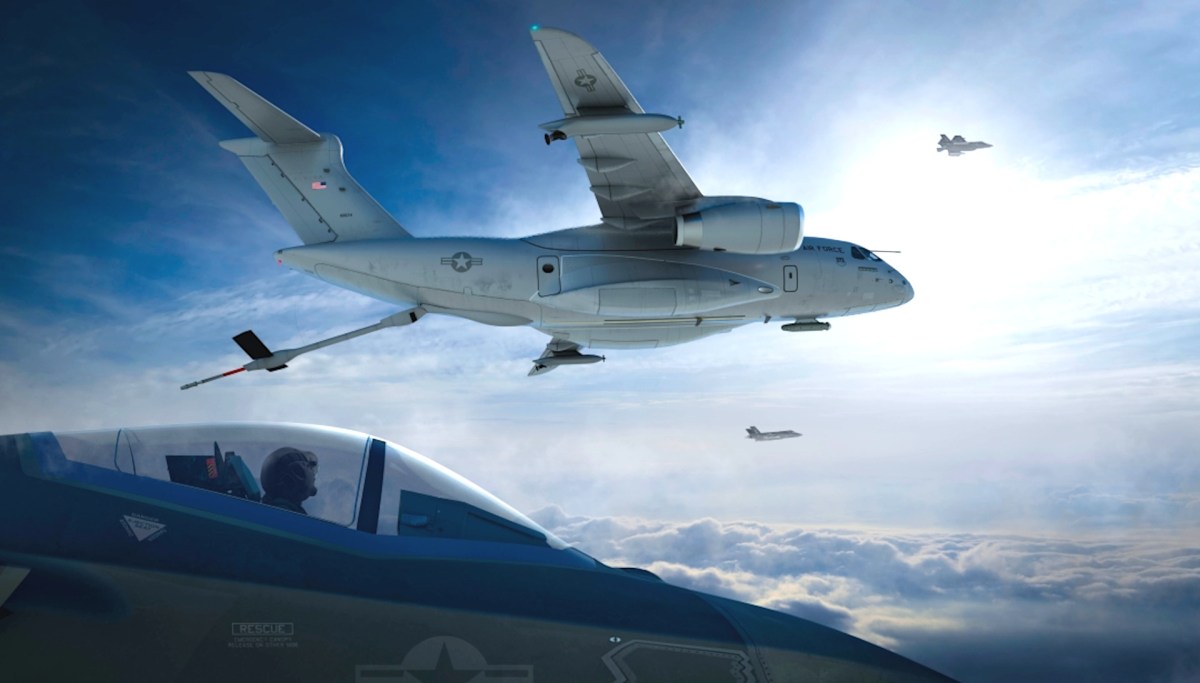
In an evolving landscape of military aviation, the partnership between Northrop Grumman and Embraer marks a significant development with their announcement of a boom-equipped variant of the KC-390 Millennium aircraft. This initiative reflects an effort to enhance aerial refueling capabilities that are increasingly deemed essential for agile combat operations in potential conflicts, particularly in the Indo-Pacific region.
Enhancing Aerial Refueling Capabilities
The KC-390 is being positioned as a versatile solution, ideally suited for the dynamic operational requirements of the U.S. Air Force. The addition of a boom refueling system will enable the aircraft to conduct more efficient refueling operations, complementing the existing probe-and-drogue systems. This dual capability allows for flexibility in various mission scenarios while enhancing interoperability with a broad spectrum of air assets.
Strategic Advantages
-
Agile Combat Employment (ACE): The Air Force’s current operational doctrine emphasizes rapid and dispersed deployment of forces. A boom-equipped KC-390 can facilitate this strategy by operating from less traditional airfields, thereby reducing logistical burdens.
-
Multi-Mission Capabilities: The KC-390 is not limited to aerial refueling; it can also transport cargo and personnel over considerable distances at jet speeds. This versatility aligns with the hub-and-spoke concept of operational deployment, particularly in expansive theaters such as the Pacific.
-
Extended Operational Reach: The integration of a boom allows the KC-390 to efficiently transfer fuel from larger tankers like the KC-46. This can significantly enhance the operational range of tactical aircraft, enabling mission profiles that were previously unattainable.
The Technology Behind the Boom
Northrop Grumman’s Vice President, Craig Woolston, highlighted the technological advantages of integrating a boom system into the KC-390. The aim is to leverage advanced manufacturing techniques alongside proven design principles, creating a platform that stands out in the air mobility sector.
Frederico Lemos, Embraer’s Chief Commercial Officer, emphasized that the addition of the boom capability enhances the existing refueling system without sacrificing the aircraft’s ability to operate from short or unimproved airstrips. This adaptability is crucial for missions in remote areas where traditional refueling platforms might struggle.
Automation and Efficiency
The dialog regarding “autonomous boom” functionalities is especially noteworthy. Such capabilities aim to streamline the refueling process, minimize the risk during operational engagements, and alleviate workload on operators. This reflects broader trends in military aviation toward increased automation and efficiency.
Current Developments and Future Prospects
The KC-390 has already undergone various configurations to support diverse missions, including maritime patrol, ISR, and electronic warfare. Variants are currently operational in Brazil, Portugal, and Hungary, with multiple nations slated to adopt this aircraft in the near future.
Production Plans
Embraer has indicated intentions to establish a U.S. production facility for the KC-390, with locations such as Melbourne, Florida, being considered. This move could effectively bolster the aircraft’s integration into the U.S. military and allied forces.
Implications for Military Strategy
The introduction of a boom-equipped KC-390 comes at a time when the U.S. Air Force is reevaluating its aerial refueling requirements under the Next-Generation Air Refueling System (NGAS) initiative. The aging fleet of KC-135 tankers has raised concerns about sustainability and effectiveness. The boom-equipped KC-390 could serve as an important component of a multi-tiered approach to modernizing the aerial fleet.
Addressing Capability Gaps
Military analysts have long noted the strategic gap in aerial refueling capabilities that could be filled by modern platforms like the KC-390. Not only does it provide critical support for current mission demands, but it also prepares the U.S. Air Force for the complexities of potential engagements with near-peer adversaries.
- Enhanced flexibility through short-field operations
- Capability to conduct both aerial and ground-based refueling
- Improved logistics through combined roles of cargo and refueler
Conclusion
The Northrop Grumman and Embraer partnership to develop the boom-equipped KC-390 represents a forward-thinking approach to addressing modern military needs. By integrating advanced refueling capabilities, the KC-390 could become a linchpin in the U.S. Air Force’s strategy for agile combat operations. As the system matures and undergoes rigorous evaluation, its operational viability will likely shape future air mobility frameworks, particularly in the increasingly significant Pacific theatre.
This shift toward versatile, multi-role platforms signals a critical transition in military logistics, one that aims to enhance both readiness and resilience in a diverse array of operational environments.