

Recent Israeli Air Force Strikes: Analyzing the Munitions and Their Strategic Implications
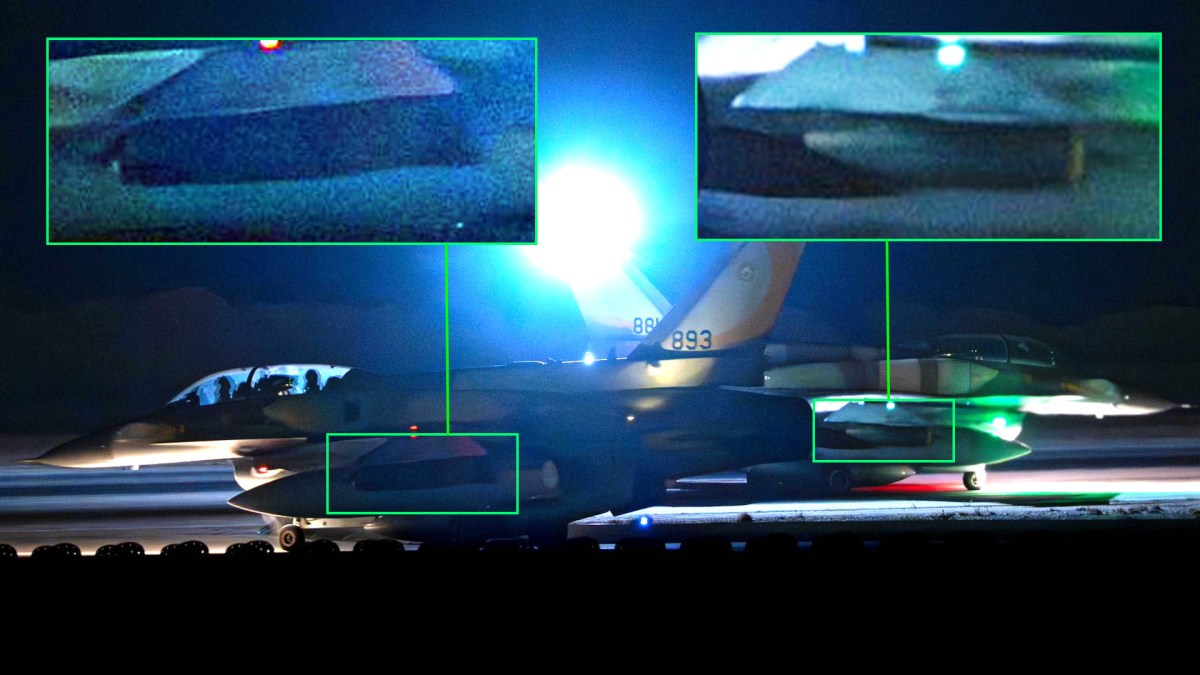
The Israeli Air Force (IAF) has recently conducted airstrikes targeting Iranian military infrastructure, with reports indicating the possible use of advanced ordnance. Analysis of images released by the IAF depicts F-16I Sufa fighters equipped with munitions characterized by the typical shape of cluster bombs. This has raised significant implications concerning the ongoing conflict dynamics in the region.
Context of the Airstrikes
On March 29, the IAF announced a substantial operation involving over 150 fighter jets aimed at exposing and neutralizing storage sites for ballistic missiles in Tehran. This action was described as essential for the protection of Israeli citizens against perceived threats from Iranian missile capabilities. Strikes continued to focus on undermining production facilities that support Iran’s military capabilities, indicating a strategy aimed at long-term disruption of Iranian military resources.
Munitions Analysis
Identification of Cluster Munitions
Photographic evidence suggests the munitions carried by the IAF’s F-16Is exhibit blunt profiles typical of cluster munitions. These munitions are notably different from precision-guided weapons frequently deployed by Israeli forces, raising questions about their intended use and the implications for regional military operations.
- Visual Characteristics: The munitions feature blunt noses and prominent fuzes, aligning with the design of U.S. tactical air-dropped cluster munitions, particularly those utilizing Tactical Munitions Dispensers (TMD).
Claims of U.S. Involvement
In the days leading up to these Israeli operations, Iranian officials accused the United States of utilizing BLU-91/B anti-tank mines, which are delivered via cluster bomb configurations. This assertion serves to amplify tensions, suggesting a collaborative American-Israeli strategy aimed at constraining Iranian missile deployment.
Types of Submunitions
Reports indicate a potential use of BLU-91/B anti-tank mines as part of a broader area denial approach:
- Operational Goals:
- To restrict access to target sites (e.g., underground missile launch facilities).
- To impair mobility and operational effectiveness of Iranian missile units.
- Systems in Use:
- The Gator scatterable mine system, which includes both BLU-91/B and BLU-92/B mines, can be deployed via TMD dispensers amongst others.
Assessing Strategic Impact
Military Utility
The use of cluster munitions, particularly in a context of counteracting mobile missile launchers, is intended to create operational constraints for Iranian forces:
- Deterrence: By accumulating a presence of hazardous explosive devices around launch sites, the capacity for rapid missile launches could be severely hampered.
- Terrain Denial: Minimized access routes around mobile launchers hinder the transport of critical equipment, thereby enhancing vulnerability.
Ethical and Operational Concerns
Despite the operational rationale provided by military actors, the deployment of cluster munitions raises ethical considerations, especially given their historical context in civilian casualties:
- International Conventions: Many nations have committed to banning such ordnance. Nevertheless, militaries maintain that with stringent safety protocols, these munitions can still be operationally effective with reduced risks to civilian populations.
Conclusion: Evolving Landscape in the Iran-Israel Conflict
Current developments indicate that the Israeli military may be adopting new methodologies utilizing cluster munitions, potentially increasing the scope of operations against Iranian military capabilities. As a clearer picture emerges regarding Israel’s munitions strategy, military analysts will need to closely monitor both the tactical justification and the broader implications for international norms governing warfare.
The IAF’s actions represent not only a military endeavor but also a definitive message to Iranian forces about the risks involved in maintaining missile capabilities that threaten Israel. The intersection of these munitions with the wider Iranian military landscape signifies an evolution in warfare tactics that warrants careful scrutiny from defense analysts worldwide. Further developments will likely clarify whether this signifies a shift in operational strategy or remains an isolated incident within the ongoing conflict.