
Iranian Attacks Impacting U.S. Air Base Operations: An Analysis
Overview of Attacks on U.S. Facilities
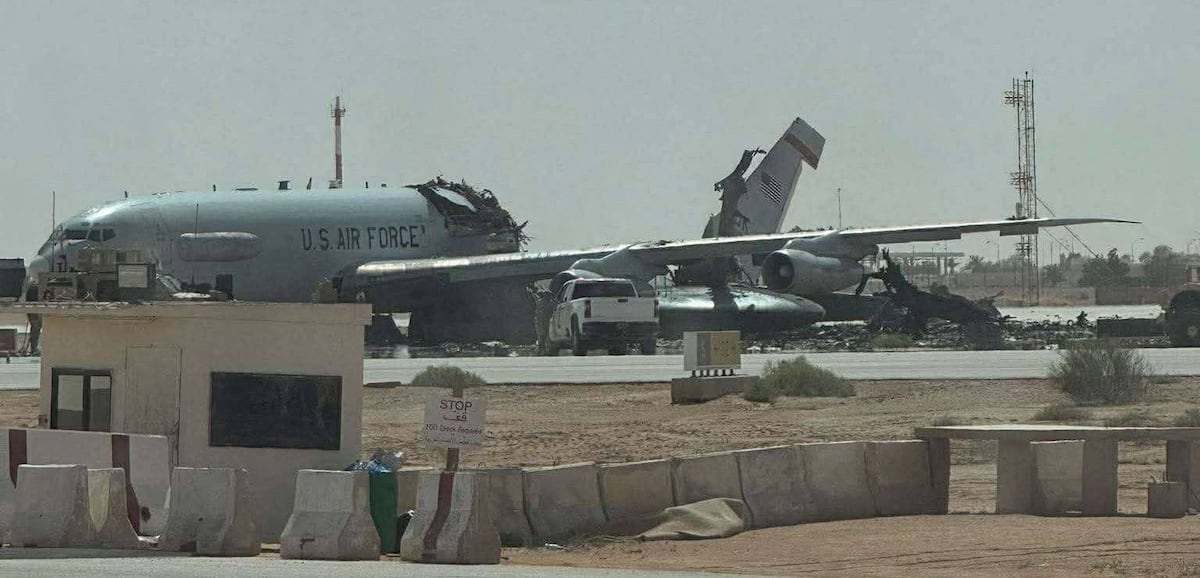
On March 27, a U.S. Air Force E-3 Sentry, part of the airborne warning and control system, sustained damage during an Iranian missile and drone offensive on Prince Sultan Air Base in Saudi Arabia. This incident is part of a series of coordinated assaults aimed at U.S. installations in the region since the onset of Operation Epic Fury on February 28.
Previously, on March 13, five KC-135 Stratotanker refueling aircraft were also harmed on the tarmac at the same base. Reports indicate that these strikes have systematically targeted vital infrastructure at multiple U.S. bases across Bahrain, Qatar, Kuwait, Saudi Arabia, and the United Arab Emirates (UAE). Key assets affected include radar systems, satellite communications, and aircraft essential for operational capabilities.
Strategic Targeting Patterns
The U.S. Central Command reported a notable decline in Iranian missile and drone launches by the end of March, with over a 90% reduction following the conflict’s initiation. Yet, the remaining strikes have focused sharply on critical infrastructure, such as radar and satellite communications systems, aerial refueling tanks, and now, the AWACS aircraft.
Expert Insights
Kelly Grieco, a senior fellow at the Stimson Center, observes that the targeting indicates a strategic intention rather than haphazard opportunism. The strikes are organized into three distinct operational categories:
- Radar and communications infrastructure
- Aerial refueling assets
- Airborne warning and control platforms (AWACS)
Grieco asserts that this pattern demonstrates an understanding of U.S. air operations’ vulnerabilities, suggesting a calculated strategy aimed at degrading battle management capabilities.
Joe Costa, director of the Atlantic Council’s Forward Defense program, reinforces this assessment, remarking that hitting stationary infrastructure is more accessible than targeting aircraft in flight. He points to the long-term implications of these attacks affecting the U.S. military’s readiness for other strategic objectives. The loss of functional assets will necessitate time-consuming repairs and maintenance, straining available resources.
Attacks on Communications and Missile Defense Systems
From the early stages of conflict, Iranian forces targeted communications systems. A notable attack occurred on February 28, when a drone struck the Naval Support Activity in Bahrain, damaging crucial satellite communications terminals. Satellite imagery has also revealed damage to the AN/FPS-132 phased array early warning radar in Qatar, as well as radar facilities in the UAE.
The targeting extended to missile defense assets as well, with satellite data confirming the destruction of the AN/TPY-2 radar system associated with the THAAD battery in Jordan, critically impairing the system’s capabilities.
The E-3 Fleet Under Strain
The damage inflicted on the E-3 Sentry occurs at a time of heightened vulnerability for this airframe. With only 16 E-3s remaining in the Air Force’s inventory—last delivered in 1992—the current operational readiness is precarious.
- Mission Capability: The E-3 fleet posted a mission-capable rate of only 55.68% in fiscal year 2024, translating to fewer than nine aircraft operationally available at any time.
- Deployment Rates: Recent estimates indicate that between 66% and 75% of the available E-3 fleet is currently deployed in response to the ongoing conflicts.
Long-Term Implications
The damage to the E-3 is significant; it is anticipated that the inflicted damage may render the aircraft beyond repair. The reduction of operational assets creates a gap in continuous air coverage, which is vital for effective battle management. As Grieco notes, accepting limitations in air rotations compromises situational awareness and impacts mission efficacy.
Philip Sheers from the Center for a New American Security argues that this situation underscores the increasing pressure on the airborne battle management fleet. Even with six aircraft forward-deployed, only two or three remain available for other missions, leaving little room for flexibility in future operations.
Broader Lessons and Future Considerations
Experts denote the ongoing challenges posed by airbase vulnerabilities as a systemic concern that extends beyond the current conflict zone. The March 2026 report from the Center for a New American Security articulated that alternatives to current airborne capabilities, such as space-based systems, are either unproven or inadequately robust for battle management tasks.
Recommendations for Addressing Vulnerabilities
- Passive Defense Strategies: This conflict highlights the urgent need for improved passive defenses not just in the Middle East but across various theaters, including the Indo-Pacific region, where missile threats are markedly pronounced.
- Investment in New Technologies: The U.S. Department of Defense must prioritize resourcing new and technologically viable solutions to replace the aging E-3 fleet.
Conclusion
The Iranian strikes on U.S. military infrastructure present severe implications for air operations amid an evolving security landscape. The degradation of critical aviation assets requires a reassessment of resource allocation and strategy in addressing airpower vulnerabilities—an imperative for maintaining operational readiness in contemporary and future conflicts.