India’s Strategic Military Expansion in Southeast Asia
Overview of Enhanced Defense Ties
India is reinforcing its military relationships with Southeast Asian nations through advanced arms sales, notably including missile systems, while simultaneously increasing security cooperation in a region marred by maritime disputes with China, particularly in the South China Sea. This strategic alignment is indicative of India’s evolving role within the broader Indo-Pacific landscape.
Strategic Partnerships in the Region
India’s outreach to countries such as Indonesia, the Philippines, and Vietnam reflects a significant shift in regional security dynamics. Analysts contend that New Delhi’s efforts not only reinforce its own strategic position but also complement the initiatives led by the United States and its allied nations aimed at counterbalancing Chinese influence in Southeast Asia.
- Capacity Building: According to Chintamani Mahapatra, a prominent figure at the Kalinga Institute of Indo-Pacific Studies, Southeast Asian nations are actively enhancing their own military capabilities. While China remains a crucial economic partner, it also poses substantial security risks, prompting nations in the region to fortify their defenses in response to Chinese assertiveness.
BrahMos Missile Diplomacy
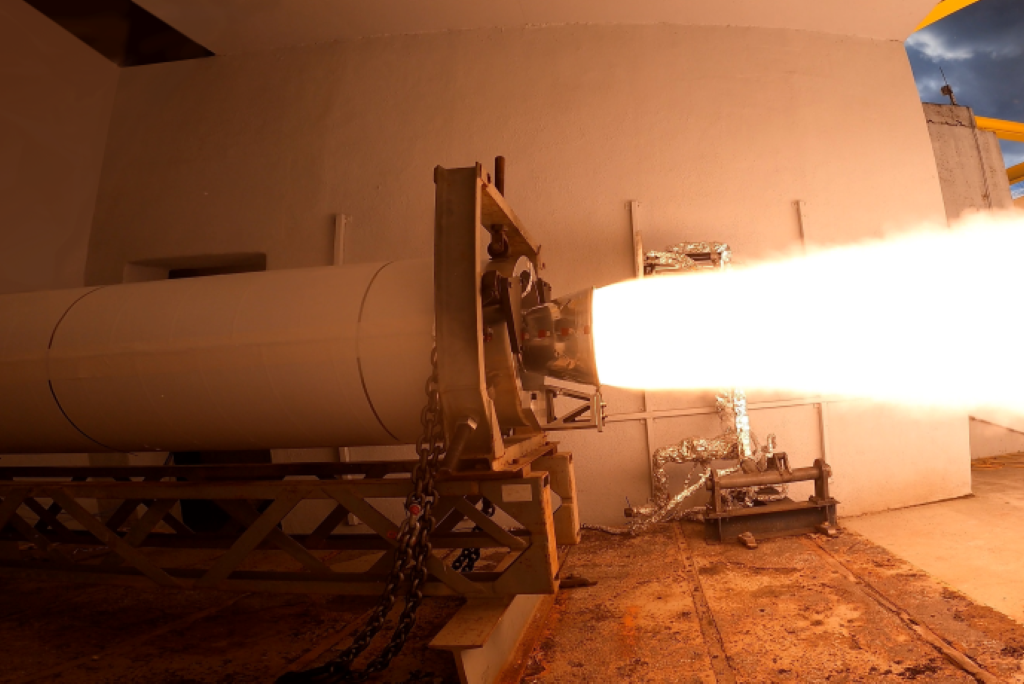
Recent dialogues between Indian Defense Minister Rajnath Singh and Indonesian counterpart Sjafrie Sjamsoeddin have centered on the prospective sale of BrahMos supersonic cruise missiles to Jakarta. Should this deal materialize, Indonesia would become the second nation to acquire this advanced missile system, produced in collaboration with Russia.
- Shift in Arms Supply Dynamics: Despite the BrahMos being developed with Russian partnership, analysts suggest that this deal will not enhance Russia’s status as an arms supplier in Southeast Asia, particularly in light of ongoing sanctions post-Ukraine war.
Military Sales and Training Initiatives
India has commenced delivery of a shore-based anti-ship BrahMos system to the Philippines, a $375 million agreement aimed at strengthening Manila’s maritime defense amid escalating tensions with Beijing.
India’s upgraded ties with countries like Indonesia and Vietnam have resulted in comprehensive strategic partnerships that span defense, economic collaboration, and technological transfer. New Delhi has also engaged in troop training programs for nations such as Vietnam, Singapore, Malaysia, and Thailand, alongside conducting joint military exercises.
- Regional Collaboration: These initiatives not only enhance India’s influence but also help build local militaries’ operational capabilities, fortifying their readiness against potential threats.
U.S.-India Defense Relations
India’s evolving role has received a significant boost from its growing defense ties with the United States, underscored by a recent 10-year defense pact established at the Association of Southeast Asian Nations (ASEAN) defense ministers meeting in Malaysia. This agreement aims to deepen collaboration and underpin regional stability while providing a framework for mitigating threats from China.
- U.S. Perspective: U.S. Defense Secretary Pete Hegseth highlighted the importance of this partnership in reinforcing regional deterrence strategies, indicating a strategic integration of India into Southeast Asian security frameworks.
Geostrategic Implications
The strengthening of military capabilities among smaller East Asian nations reflects a shared acknowledgment of the necessity for enhanced deterrent capacities given the current unpredictability surrounding U.S. policy in the Indo-Pacific.
- Independence from Major Powers: Analysts note that Southeast Asian nations are diversifying their security partnerships, recognizing that reliance solely on the U.S. or other major powers is no longer feasible. Instead, India’s defense offerings present an appealing alternative without the potential sanctions associated with purchases from Russia or China.
Conclusion
Senior military officials in the Philippines, such as Gen. Romeo Brawner Jr., have articulated a commitment to acquiring additional military hardware from India, citing affordability, quality, and the absence of hierarchical stipulations often observed in transactions with other major arms suppliers.
Overall, India’s ambition to become a leading defense exporter aligns seamlessly with the strategic interests of Southeast Asian nations, establishing a mutually beneficial arrangement that supports regional security objectives while enhancing India’s position as a responsible defense partner.