Transforming Finnish Military Strategy: Insights from the International Armoured Vehicles Conference
Key Drivers of Change for the Finnish Army
At the recent International Armoured Vehicles conference, a representative from the Finnish Army discussed pivotal factors shaping its transformation toward 2035. The emphasis is on:
- Joint Air-Ground Integration
- Deep Battle Concepts
- Lessons Learned from the Ukrainian Conflict
The Finnish Army aims to expand to over 185,000 personnel, primarily through conscription, focusing on enhancing lethality, readiness, magazine depth, and seamless NATO integration.
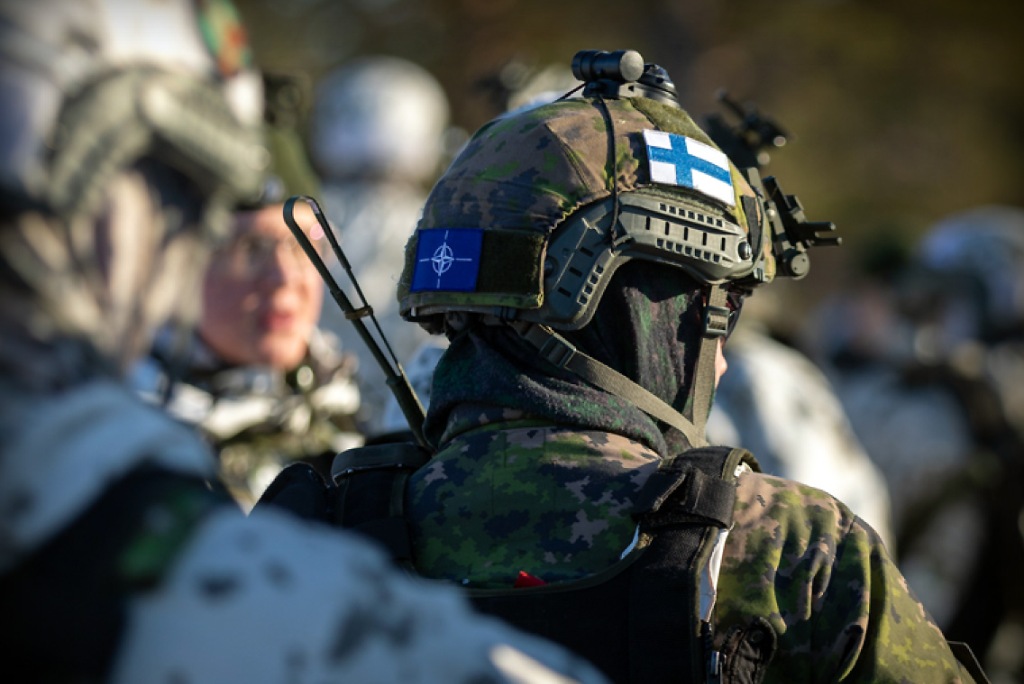
Finland’s Entry into NATO
On April 4, 2023, Finland formally joined NATO. Following this, the Multi-Corps Land Component Command (MCLCC) was inaugurated on October 3, 2025, in Mikkeli, with participating nations including Denmark, Norway, Sweden, and the United States. This strategic shift from neutrality was largely influenced by heightened Russian aggression towards Ukraine. Finland’s military evolution is thus a function of NATO membership and rising tensions with its eastern neighbor.
The Eastern Flank Deterrence Line
A significant component of Finland’s defense strategy is the Eastern Flank Deterrence Line (EFDL). This NATO initiative seeks to neutralize enemy mass through cost-effective, attritable uncrewed systems, AI-enabled targeting mechanisms, and multi-layered defense structures.
Adapting to New Threats
The speaker highlighted significant changes in enemy operational tactics and an increase in Russian military infrastructure along the extensive 1,300 km border with Finland. In the past four years, Russia has demonstrated adaptability in operational, tactical, and industrial domains, shifting its manufacturing base towards a war economy. Consequently, Western military forces must evolve to counter the evolving threats.
In November 2025, Finland released the AJP-01 FI Allied Joint Doctrine, which lays out the framework of the Finnish defense system and the organization of comprehensive national defense.
Integration of Advanced Aircraft
One focal point of the discussion was the integration of F-35 capabilities into the Finnish Army, which anticipates receiving its first fighters following their rollout on December 16, 2025. This integration is essential in utilizing airpower for effective deep strikes, allowing for attrition of enemy capabilities before combat engagement.
Enhancements in Artillery
The Finnish Army is upgrading its M270 Multiple Launch Rocket Systems (MLRS) to the A2 standard, aiming for compatibility with allied systems, particularly those of the U.S. and U.K. The acquisition of GPS-guided munitions (GMLRS) is expected to significantly enhance operational range. Collaborative efforts with regional defense firms such as Bittium and Systematic are ongoing to foster integrated fire support capabilities.
Countering Unmanned Aerial Systems (UAS)
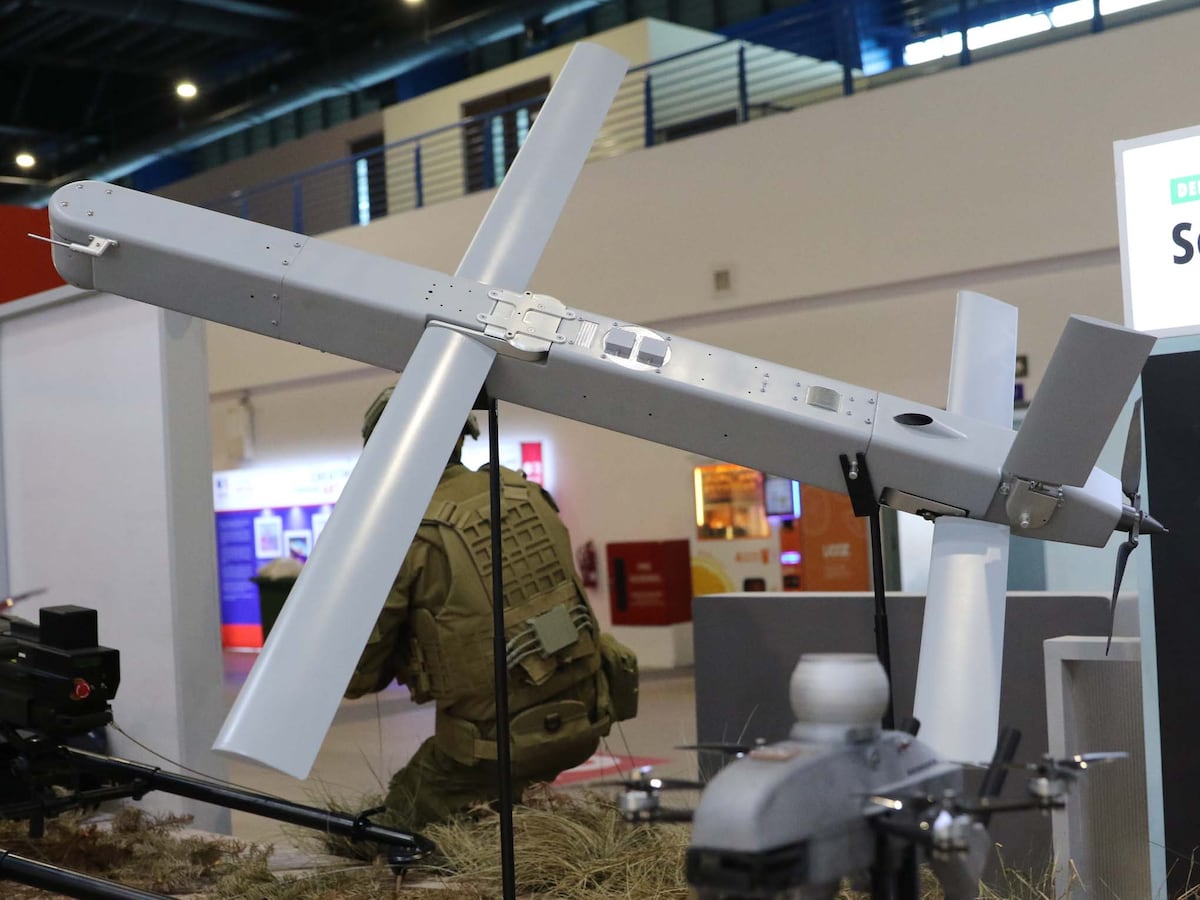
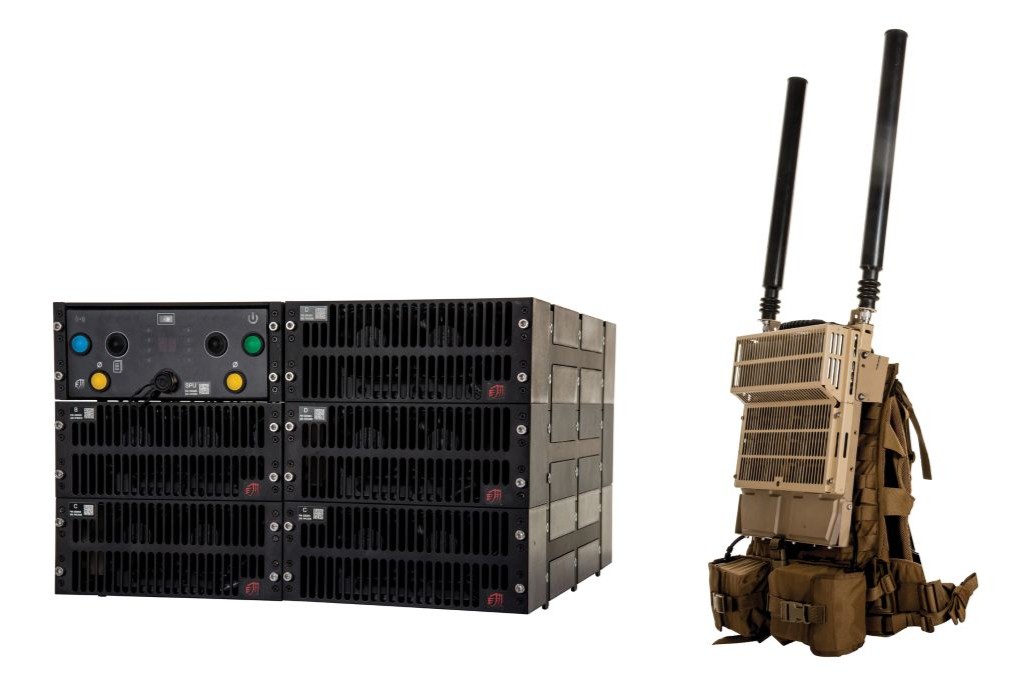
Lessons from the Ukraine conflict emphasize the necessity to counter UAS threats. Finland is developing its First Person View (FPV) capabilities while addressing counter-UAS (C-UAS) systems. The approach is holistic, ensuring that ground forces are equipped to confront aerial threats. Future infantry fighting vehicles will incorporate advanced sensors, possibly radar systems, to improve operational efficiency in both direct engagement and C-UAS roles.
Mobility and Terrain Challenges
Mobility on the battlefield remains a paramount concern, particularly in the context of obstacles and challenging terrains similar to those observed in Ukraine. Establishing robust breaching capabilities is essential for maintaining operational flexibility.
Environmental Considerations
The unique climatic conditions in Finland present additional challenges. Historically, “General Winter” has thwarted major military offensives, and “Colonel Spring” has proven equally detrimental with its deep mud hindering troop mobility. Finnish military leaders affirm that operations can persist in extreme cold, yet logistical complexities increase markedly at lower temperatures.
Training and Operational Readiness
The Finnish Army places great emphasis on training to mitigate the impact of harsh environmental conditions. Exercises like Arctic Strike annually put equipment to the test under realistic conditions. The next iteration, scheduled for November 2026, will showcase innovations from various defense contractors.
Dependence on Traditional Systems
While unmanned systems are becoming integral, over-reliance on them can be risky. The Finnish speaker cautioned that soldiers possess instinctual knowledge about terrain that unmanned ground vehicles (UGVs) lack. As training evolves, efforts will also focus on ensuring that soldiers remain proficient in traditional navigation and firing techniques without digital aids.
Comprehensive Modernization Efforts
Finland is entering a phase of profound military transformation, categorizing its needs into three critical areas:
-
New Capabilities
- Counter-UAS systems
- Drones
- Anti-personnel mines
- Recon-strike systems
- AI-enabled Command and Control (C2) frameworks
-
Modernization of Existing Systems
- Upgrading communications equipment
- Enhancing artillery and armored vehicles
- Improving field medical capabilities and logistics
-
Stockpiling
- Increasing munition reserves
- Expanding logistical capabilities
Finnish military planners recognize the necessity of improving warehousing and stockpiling capabilities to better support a conscript-based force upon activation.
Conclusion
As Finland embarks on this comprehensive modernization path, the implications for regional security dynamics are significant. By enhancing joint capabilities, updating military doctrines, and addressing innovative technologies, Finland is prioritizing readiness for future challenges, all while drawing valuable lessons from recent conflicts.