
Enhancements in MQ-9 UAV Capabilities: A Shift to Standoff Engagement
Advancing Drone Warfare
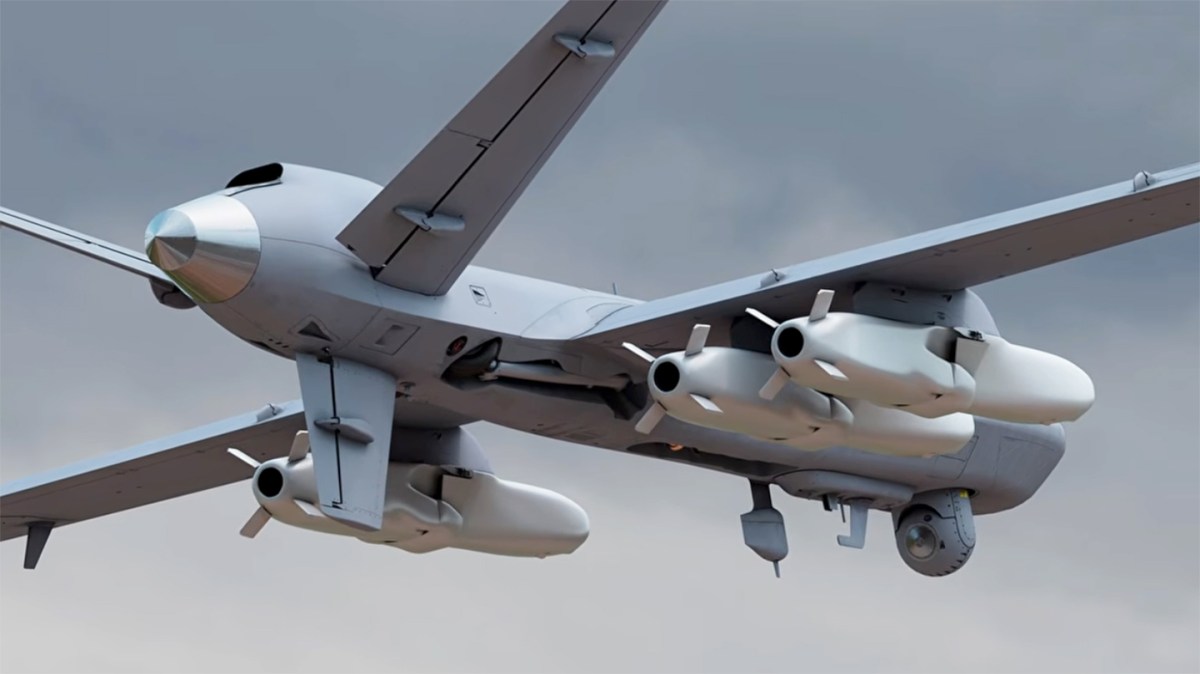
The MQ-9 family of medium altitude, long endurance unmanned aerial vehicles (UAVs)—notably including the SkyGuardian and SeaGuardian variants—is undergoing significant advancements aimed at enhancing their operational utility in complex conflict environments. The upcoming integration of long-range cruise missiles transforms these drones into versatile platforms capable of executing standoff strikes against distant targets, effectively redefining their strategic role.
Standoff Missile Integration
Equipping the MQ-9 with advanced munitions enables these drones to operate beyond the reach of enemy air defenses. By acting as “missile trucks,” the MQ-9s can engage targets with precision while minimizing risk to personnel and assets:
- Mission Versatility: The addition of standoff weapons adds a valuable dimension to MQ-9 operations, making them relevant in both high-intensity conflicts and asymmetric warfare scenarios.
- Operational Range: These unmanned platforms can maintain extended loiter times, allowing for flexible mission profiles that surpass traditional manned tactical aircraft capabilities.
Potential Weapons Systems
Lockheed Martin’s AGM-158 Joint Air-to-Surface Standoff Missile (JASSM), along with its naval variant, the Long-Range Anti-Ship Missile (LRASM), are among the weapons under consideration for this enhanced MQ-9 configuration. Additionally, NATO’s Kongsberg-Raytheon Joint Strike Missile (JSM) presents further options for effective maritime and land engagements.
Strategic Operational Models
General Atomics articulates a potential mission scenario that underscores the strategic advantages of the MQ-9’s new capabilities. The aircraft could launch from geographically dispersed bases throughout the Western or Southern Pacific, establish a forward operating position, and remain undetected outside a hostile power’s engagement zone. Upon receiving launch directives, MQ-9s can deliver ordnance in synchronization with U.S. or allied combat operations.
Timelines for Implementation
The defense community can anticipate the first operational flights with at least one of these missile types within the current year. This rapid deployment aligns with prolonged trends in military modernization focusing on increased lethality and situational responsiveness.
Insights from Industry Experts
The integration of standoff capabilities into the MQ-9 platform reflects broader trends in unmanned warfare, emphasizing the significance of remote engagement in contemporary military strategy. Key industry figures, such as Scott Gilloon, Sector Vice President for Strategic Programs at General Atomics Aeronautical Systems, continue to provide insights into the implications of these advances. During recent discussions at the Air Force Association’s Warfare Symposium in Denver, Gilloon articulated the operational transformative potential carried by these enhancements.
Conclusion
The evolution of the MQ-9 family signifies a paradigm shift in the ways military forces may engage in future combat scenarios. Transitioning from intelligence and surveillance roles to one of offensive action, these advanced UAVs are poised to play a pivotal role in achieving strategic objectives against increasingly sophisticated adversaries. The deployment of standoff munitions reflects a growing emphasis on maximizing operational flexibility while reducing exposure to hostile actions, thus fundamentally altering the landscape of aerial warfare.