Rethinking European Defense Collaboration: A New Phase for France’s Future Combat Air System
Overview of the Future Combat Air System (FCAS)
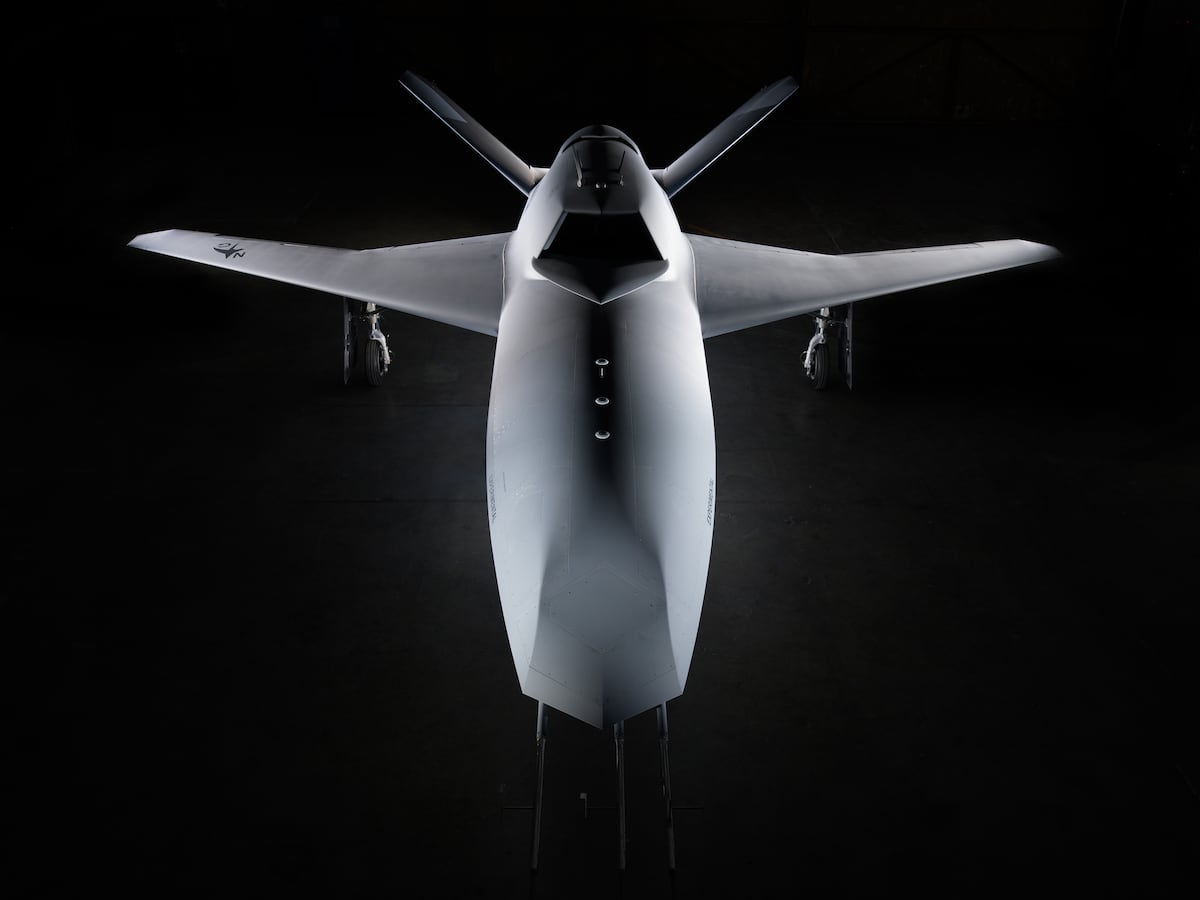
In a strategic pivot, France has urged its partners, Germany and Spain, to reassess their collaborative framework for the Future Combat Air System (FCAS). This initiative aims to expedite the timeline for a new generation of fighter aircraft expected to be operational from 2040 onward. These calls for a restructuring of roles come from the French Directorate General for Armament (DGA), which is overseeing the program’s progression.
Key aspects include:
- First Fighter Prototype: Early decisions regarding the fighter’s design have been made.
- Collaborative Challenges: The initiative is currently grappling with complexities related to teamwork and distribution of responsibilities among partner nations.
Industrial Leadership and Management Issues
The DGA emphasized the necessity for “strengthening industrial leadership” within the program to sustain momentum and adhere to the projected schedules. France, as the lead nation in the FCAS endeavor, is advocating for a transparent reevaluation of initial collaborative efforts to ensure future success.
The DGA stated, “Discussions on the redesigned cooperation model are ongoing,” suggesting a focus on establishing a more efficient division of responsibilities that reflects the capabilities of each industrial participant.
- Governance Concerns: Reports indicate Dassault Aviation is seeking an increased stake in specific program elements. CEO Eric Trappier has articulated the need to resolve governance issues before advancing to the next development phase, which entails creating a fighter demonstrator.
The Manufacturer Landscape
Though Dassault remains the principal contractor for the development of the new warplane, tensions have surfaced regarding work share between the French company and Airbus, which represents both Germany and Spain in the project. Trappier claims that delays attributed to ongoing disputes with Airbus could postpone the project’s timeline, suggesting a realistic operational target of 2045.
Critical Milestones Completed
To date, the FCAS has achieved four critical developmental milestones; however, the DGA describes the current challenges as typical for a project of this scale and ambition. The initiative is recognized as extraordinarily complex, striving for capabilities that ensure air superiority in increasingly contested environments.
The Role of FCAS in European Defense Strategy
The FCAS program is not merely an advanced technological endeavor; it is integral to maintaining European defense autonomy. Its objectives include:
- Nuclear Deterrence Role: One of the fighter’s critical functions will involve acting as the air-launched component of France’s nuclear deterrent, a responsibility currently handled by the Rafale aircraft.
- Strategic Importance: The DGA underscored that adherence to the project schedule is essential for France’s broader military objectives.
The program’s successful execution is framed as crucial not only for France but also for the collective defense strategy of Europe, as it leverages shared resources and expertise among partner nations.
Financial Commitments
Recent financial commitments highlight the seriousness of the endeavor. In December 2022, a collaborative contract worth €3.2 billion (approximately $3.7 billion) was awarded to Dassault, Airbus, Indra Sistemas, and Eumet for Phase 1B encompassing research, technological innovation, and comprehensive design aspects.
Moving Forward: A Call for Enhanced Collaboration
As discussions to revamp the FCAS partnership continue, all stakeholders will need to recognize that the success of the project hinges on equitable workload distribution and improved communication. Trappier has indicated a preference for adapting collaborative structures akin to those used in the French-led nEUROn project, emphasizing that mutual respect for each participant’s strengths will be vital.
The ongoing dialogue and adapted cooperation strategies highlight a commitment to maintaining a balanced program that respects each nation and its industrial contributions while preserving the strategic goals of European defense.