U.S. Military Operation in Venezuela: Casualties and Implications
Overview of the Operation
A recent U.S. military initiative in Venezuela has sparked significant geopolitical tensions, culminating in the reported fatalities of 32 Cuban military officers. This operation aligns with wider U.S. efforts to address allegations against Venezuelan President Nicolás Maduro and his administration concerning narcotics trafficking.
Context of Cuban Involvement
The Cuban officers were reportedly engaged in a mission requested by the Venezuelan government, reflecting the longstanding military collaboration between Cuba and Venezuela. While specific details of their engagement remain undisclosed, Cuba has consistently provided military and police support to Venezuela amidst ongoing internal strife.
Official Death Toll Confirmation
The Cuban government disclosed the death toll during a televised statement, marking the first formal acknowledgment of the casualties from U.S. airstrikes. Rumors surrounding the incident had circulated prior, amplifying concerns over the implications of direct military action in the region.
Statements from U.S. Leadership
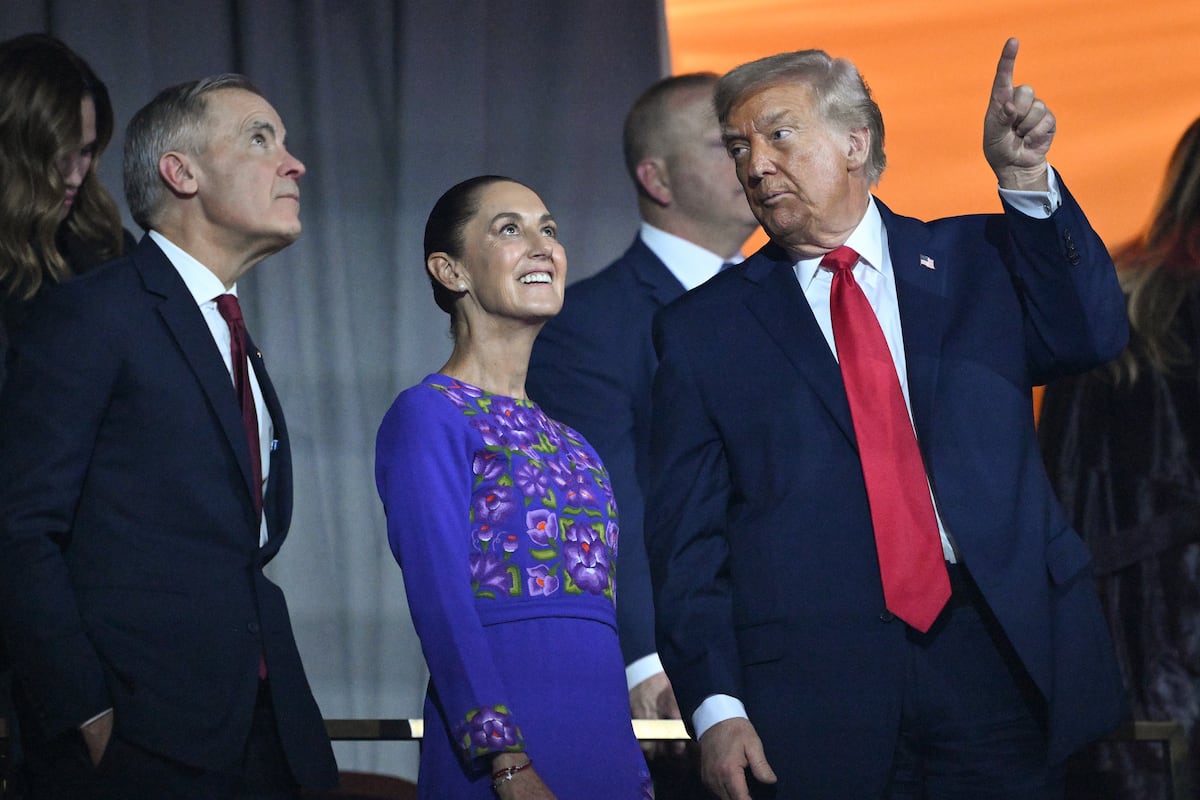
U.S. President Donald Trump emphasized the severity of the situation during a press briefing, categorically stating that “a lot of Cubans were killed yesterday,” contrasting this with no reported American casualties. This declaration underscores the U.S.’s commitment to executing its military objectives while portraying its operations as devoid of collateral damage.
Details of the Operation
The military operation, which took place over the weekend, aimed to apprehend Nicolás Maduro and his wife. They face substantial legal challenges under accusations of narco-terrorism. While Venezuelan authorities have acknowledged fatalities, they have not released precise figures, leading to speculation about the broader implications of U.S. military engagement in Latin America.
Cuban Response and National Mourning
In response to the casualties, the Cuban government has declared two days of mourning to honor the fallen officers. Key political figures, including former President Raúl Castro and current President Miguel Díaz-Canel, extended condolences to the victims’ families. The official communication emphasized the “dignity and heroism” of the officers, who reportedly resisted during the encounter.
Implications for U.S.-Cuba-Venezuela Relations
- Heightened Tensions: This operation could escalate strains between the U.S. and both Cuba and Venezuela, potentially prompting reciprocal military or diplomatic responses.
- Cuba’s Military Role: U.S. Secretary of State Marco Rubio highlighted the significant role of Cuban personnel in Venezuela’s security apparatus, characterizing them as integral to Maduro’s regime. This assertion suggests a deeper entrenchment of Cuban influence in Venezuela, which may complicate future diplomatic negotiations.
- Regional Stability: The operation raises questions regarding the stability of the Caribbean and South America as U.S. actions may provoke unrest or resistance from allied nations.
Conclusion
The U.S. military operation in Venezuela signifies a critical juncture in diplomatic relations within the region. As both the U.S. and Cuba navigate the repercussions of this operation, the potential for escalated hostilities looms, necessitating a careful reassessment of strategic policy objectives and regional alliances.