U.S. Space Force: Strategic Transition in an Era of Competition
As the United States Space Force (USSF) gears up for the year 2026, its strategic posture becomes increasingly crucial in light of intensifying threats posed by global adversaries, particularly China and Russia. The service is navigating a transformative phase, marked by a decisive shift towards comprehensive warfighting capabilities in response to these evolving challenges.
Navigating the Competitive Landscape
Recent evaluations from the U.S.-China Economic and Security Review Commission have highlighted the formidableChallenges the U.S. faces in the space domain. China is aggressively working to position itself as a dominant force in space technology and exploration, aiming to alter international norms and displace the U.S. as the preeminent space power. With its operational satellite fleet exceeding 1,060 by mid-2025—many of which are geared towards intelligence, surveillance, and reconnaissance—China’s advancements heighten the stakes for U.S. national security.
Assertive Leadership from the Space Force
Chief of Space Operations Gen. B. Chance Saltzman has articulated a commitment to achieving space superiority, underscoring the U.S.’s readiness to contend with rival states. During his address at the Air & Space Forces Association Warfare Symposium in March 2025, he affirmed that the Space Force would employ all necessary measures to secure competitive advantages in the domain of space.
The release of “Space Warfighting: A Framework for Planners” in April 2025 indicates a strategic pivot. This document codifies the transition of the Space Force from supportive roles to actively engaging in space as a contested battlefield—emphasizing both offensive and defensive counter-space operations as crucial components of a broader operational framework.
The Foundation of Resilience
While U.S. military space capabilities provide vital support, their increasing vulnerability poses risks in an era characterized by rapid technological evolution. Key capabilities, including:
- Missile Warning Systems: Systems like the Space-Based Infrared System and Next-Generation Overhead Persistent Infrared satellites deliver near-instant detection of ballistic and hypersonic threats, augmented by low-Earth orbit sensor networks.
- Secure Communications: The Advanced Extremely High Frequency constellation and military GPS enhancements ensure resilient command and control, even in environments compromised by adversarial actions.
- Space Surveillance: The Geosynchronous Space Situational Awareness Program satellites and advanced ground-based tracking systems play a crucial role in monitoring orbital threats and ensuring operational integrity.
Despite their robustness, these systems are susceptible to various forms of interference, including signal jamming and cyberattacks, which have been reported almost daily by U.S. officials. The potential for temporary disruptions to critically impede joint operations in conflict scenarios necessitates the development of more resilient architectures.
The Race to Resilience Initiative
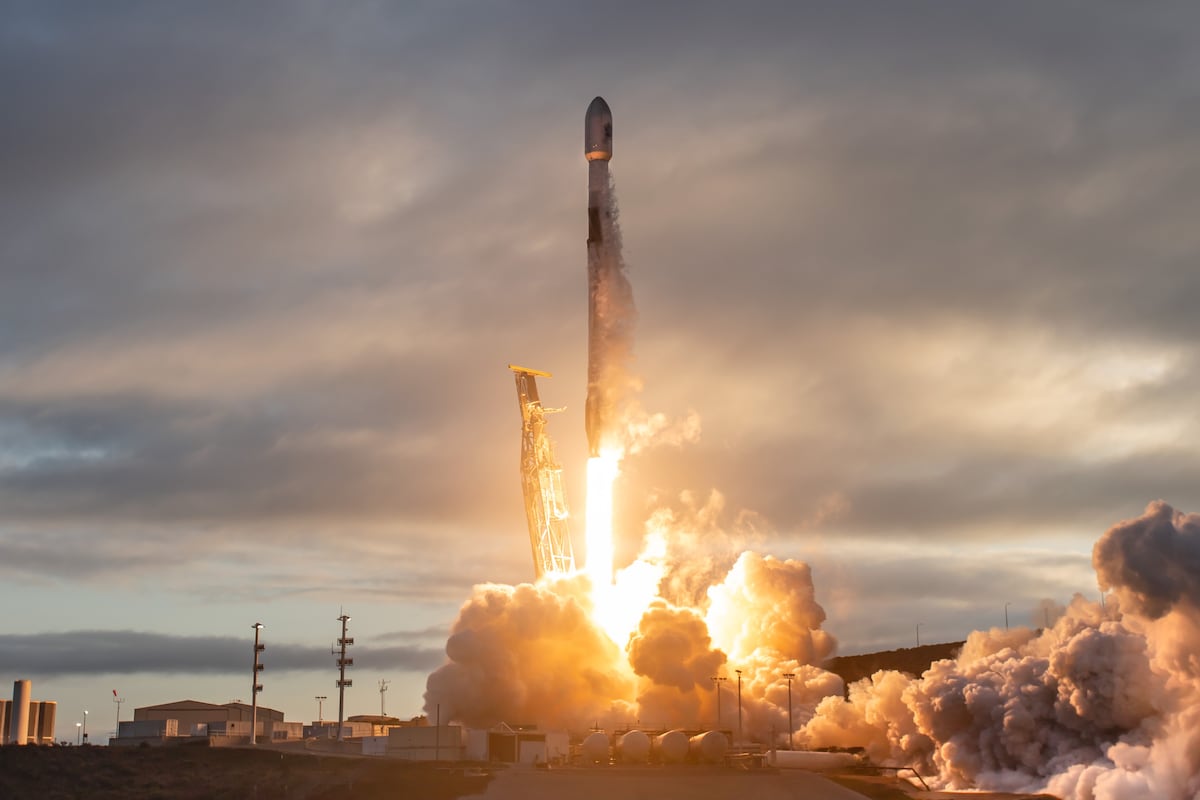
In response to these vulnerabilities, the Space Force is advancing its “Race to Resilience” initiative, targeting a battle-ready status by 2026. This initiative is characterized by several significant milestones:
- Deployment of Interceptor Prototypes: Under the Golden Dome missile defense project, new weapon systems designed to neutralize enemy ballistic missiles during their launch phase have been awarded contracts, with planned kinetic midcourse interceptors to follow.
- Digital Readiness Training: The Space Warfighter Operational Readiness Domain aims to enhance readiness through a virtual training environment, allowing event participants to engage in realistic training simulations across multiple locations.
- On-Orbit Servicing Missions: Scheduled satellite servicing demonstrations will test capabilities such as refueling, maintenance, and maneuvering—essential for extending the operational life of assets and resilience within contested environments.
- Commercial Augmentation Space Reserve Expansion: Transitioning to full-scale operations in 2026, this initiative plans to secure 20 contracts targeting wartime access to commercial satellite communication networks, bolstered by record funding levels nearing $40 billion in fiscal appropriations.
Strategic Imperatives for the Future
As the global threat landscape evolves, marked by China’s rapid satellite expansion and Russia’s disruptive capabilities, the Space Force’s initiatives in 2026 will be pivotal. It stands at a critical juncture to fortify U.S. space superiority, enabling joint forces to maintain operational advantages across any conflict or contested scenario. Establishing resilient architectures in these areas is not merely a measure of defense but a strategic imperative for safeguarding U.S. national interests in an increasingly competitive domain. With these initiatives in place, the Space Force is positioning itself to ensure that the United States remains at the forefront of military and technological prowess.