Reassessment of Regional Stability in Bosnia and Herzegovina Following Sanction Lifts
Context and Overview
The recent decision by the Trump administration to revoke sanctions on Milorad Dodik, a separatist leader in Bosnia and Herzegovina, has ignited significant apprehensions regarding the stability of the Western Balkans. This move signals a pivotal shift in the geopolitical landscape of a region still grappling with the aftermath of the 1990s conflict, which birthed the Dayton Peace Agreement—a framework designed to maintain peace and governance within the country.
Historical Significance
Bosnia and Herzegovina is a nation with a complex political structure, housing three major ethnic groups and a multifaceted parliament system. The peacekeeping mission led by the European Union, known as Operation Althea, has been operational since 2004, succeeding NATO’s mandate to stabilize a country in the wake of its devastating civil war. Yet, with the U.S. aligning with Russian interests regarding Dodik, there are fears that the fragile post-war order may be endangered.
Shifts in U.S. Foreign Policy
The U.S. Treasury Department’s Office of Foreign Assets Control reinstated Dodik and his affiliates to its sanctions list as of October 29, 2025, thereby reversing previous measures aimed at preserving Bosnia’s territorial integrity. This policy shift appears to be the outcome of vigorous lobbying by Dodik’s administration, which engaged several U.S. firms with ties to the Republican Party to advocate for the removal of sanctions.
Key Factors Influencing the Decision
- Intensive Lobbying: Various contractors were enlisted to facilitate dialogue between Republika Srpska’s authorities and the Trump administration.
- Political Connections: High-profile individuals, including former Illinois Governor Rod Blagojevich and Trump associates, actively promoted Dodik’s cause.
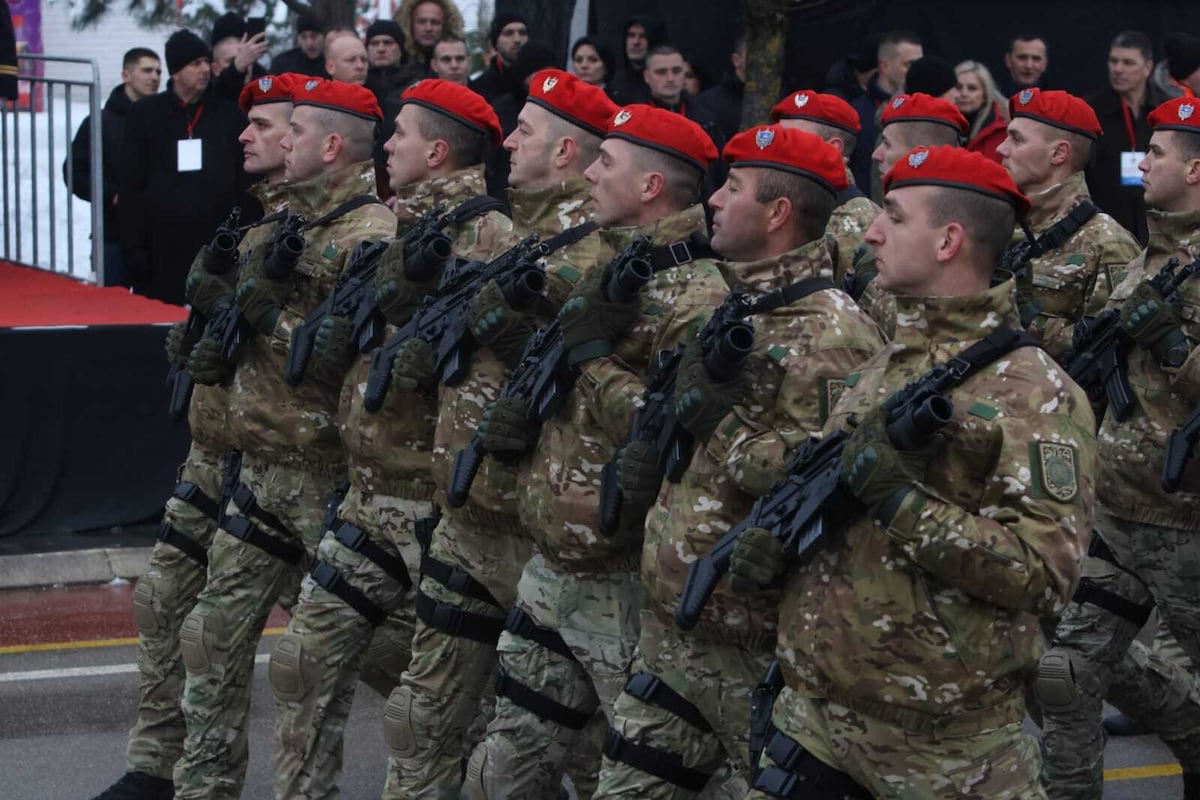
- Rapid Developments: Within months of the sanctions being lifted, Dodik organized a military-style parade, which he used as a platform to espouse nationalistic rhetoric.
Implications for European Security
The EU now faces a daunting challenge: maintaining the integrity of Bosnia’s governance without robust U.S. support. The unanticipated lack of a Russian veto on the renewal of the EUFOR mandate reveals a potential shift in Russia’s strategy. Moscow’s tacit approval could embolden Dodik, shifting the balance of power further toward his nationalist agenda.
Concerns for European Stability
- Operational Deterioration: EU forces in Bosnia currently consist of approximately 1,600 troops—significantly fewer than the recommended levels for effective deterrence.
- Lack of a Comprehensive Strategy: Analysts have pointed out the absence of a viable European strategy to navigate this period of heightened tension. Efforts may lack the intensity needed to counter Dodik’s separatist ambitions.
Broader Strategic Considerations
A prolonged state of instability in Bosnia and Herzegovina holds wide-ranging implications for the Western Balkans, an area where the European Union aspires to expand its influence. The situation serves as a litmus test for Europe’s ability to respond effectively to regional crises in the absence of American hard power.
Key Perspectives
- Military vs. Political Approaches: European officials need to balance military presence with effective political solutions to foster regional cooperation and reduce ethnic tensions.
- Dodik’s Strategic Calculus: His current position rests on two fundamental assumptions: that the international community will lack unity in opposing his actions and that ethnic divisions within Bosnia will prevent a cohesive counter-response from the Bosniak population.
In summary, as Europe braces for the consequences of the recent policy shifts, it must pivot toward implementing a robust framework to counter potential destabilization, while fostering intra-Balkan cooperation. The region stands at a crossroads, and its future stability may hinge on proactive, unified international engagement.