
Advancements in Military Aviation: The X-76 Demonstrator and the Future of VTOL Technology
Introduction to the X-76 Demonstrator
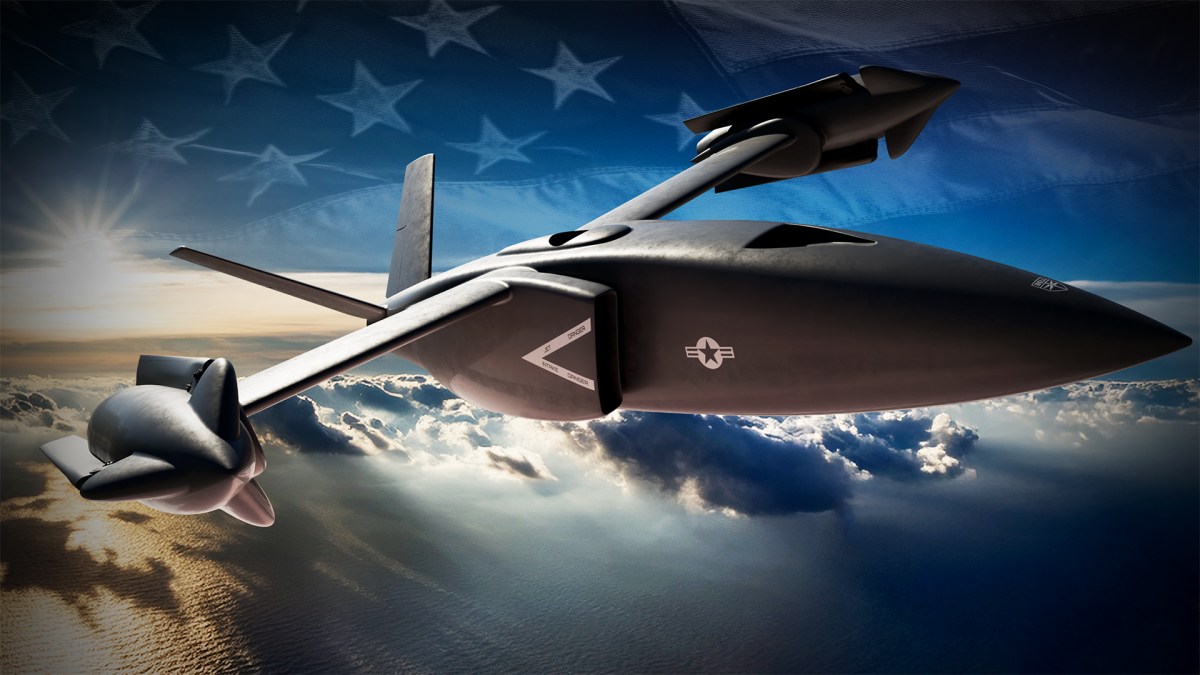
The recent unveiling of Bell Textron’s X-76 marks an important evolution within the renowned X-plane series, aimed at enhancing military aviation capabilities. Aligned with the Defense Advanced Research Projects Agency (DARPA) and the Speed and Runway Independent Technologies (SPRINT) initiative, this platform seeks to redefine vertical takeoff and landing (VTOL) technology.
Significance of the X-76 Designation
The designation X-76 not only serves as a nod to the 250th anniversary of the United States but also symbolizes a continuation of American ingenuity and innovation in military technology. Jason Hurst, Bell’s Senior Vice President of Engineering, emphasized that the cooperation between Bell and DARPA represents a pivotal undertaking in the quest for next-generation vertical-lift aircraft.
Overview of the SPRINT Program
Objectives and Partnerships
The SPRINT initiative, developed in collaboration with U.S. Special Operations Command, aims to bridge the gap between traditional aircraft that require runways and helicopters that offer operational flexibility. DARPA selected Bell over competitors, including Boeing’s Aurora Flight Sciences, for its exploratory phase focused on demonstrator aircraft.
Core Goals
The SPRINT program aims to demonstrate technologies that enable:
- Cruising speeds exceeding 400 knots
- VTOL capabilities in austere environments
- Operation from unprepared ground surfaces
As Cmdr. Ian Higgins of DARPA stated, the program aspires to eliminate the dependency on runways, granting military forces enhanced mobility and tactical advantages.
Key Features of the X-76
Innovative Rotor Technology
At the heart of the X-76’s design is the Stop/Fold rotor system, which incorporates wingtip proprotors. This breakthrough allows the rotor blades to be stowed after transition from hover mode to forward flight, significantly reducing drag and increasing cruising speeds.
Design Goals and Specifications
- Cruise speed: 400-450 knots
- Multi-role capabilities permitting both crewed and uncrewed variants
- Enhanced operational versatility, including potential applications for combat mission types like CSAR and ISR
Transitioning from Design to Production
DARPA recently confirmed that the X-76 has successfully passed its critical design review and will soon enter the production phase. Subsequent flight tests, planned for early 2028, will evaluate the platform’s operational potential within various military contexts.
Implications for Military Strategy
The technological advancements associated with the X-76 and the SPRINT program align with broader U.S. military goals to enhance runway-independent capabilities. Such advancements are poised to provide critical advantages in high-end conflict scenarios, especially against adversaries with sophisticated air defense systems.
Operational Context
As the military evaluates alternatives to traditional airlift methods, the X-76 could dramatically transform how special operations are conducted in contested environments. The capability to operate from less conventional sites enhances both the element of surprise and the speed of reinforcement.
Conclusion
The introduction of the X-76 demonstrator illustrates the potential of advanced VTOL systems to address evolving operational requirements. While technical challenges remain, this endeavor marks a significant step toward realizing aircraft that combine speed and flexibility in a single airframe. Future developments in the SPRINT program could further enhance the capabilities of the U.S. military, ensuring versatile and rapid response options in an increasingly complex global landscape.
For defense professionals, the implications of such advancements are profound, offering avenues to rethink air mobility in high-stakes environments with an eye toward both efficiency and survivability.